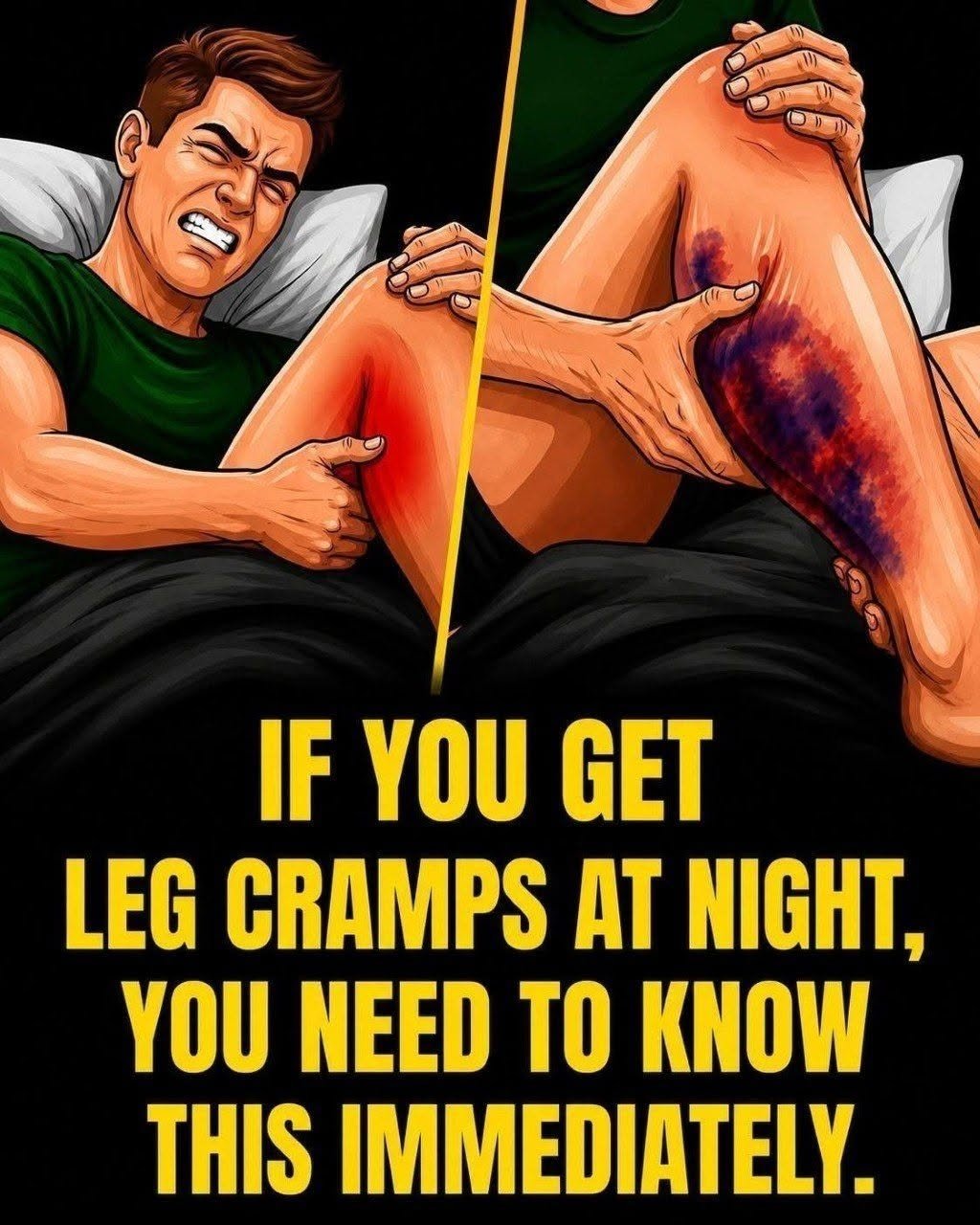
When sensationalized health clickbait warns, “Don’t Ignore Leg Cramps at Night. Here’s What You Should Know,” they are usually trying to terrify you into buying an expensive, unverified miracle supplement or mineral spray, framing a very common nighttime annoyance as an imminent medical emergency.
From a clinical geriatric and physiological perspective, nocturnal leg cramps—sudden, painful contractions of the calf or foot muscles that strike while you sleep—are extremely common, especially as we age. While they can occasionally point to underlying nutritional or circulatory factors, they are usually benign and manageable with simple, evidence-based habits.
The Reality Behind Nighttime Leg Cramps
Why do our muscles suddenly seize up in the middle of the night? Clinicians look at several straightforward physiological causes rather than mysterious or terrifying diseases:
-
Muscle Fatigue and Overuse: During the day, standing for long periods, walking on hard surfaces, or unusual physical exertion can exhaust muscle fibers, making them more prone to spasming when they finally relax at night.
-
Dehydration and Electrolyte Shifts: As we move through the day, fluid balance and electrolytes (such as magnesium, potassium, and calcium, which govern muscle contraction and relaxation) can fluctuate. Dehydration is one of the most frequent culprits behind nocturnal cramping.
-
Nerve Compression and Circulation: Reduced blood flow or mild nerve compression—often associated with prolonged sitting or certain spinal adjustments as we age—can trigger sudden involuntary contractions.
-
Medication Side Effects: Certain common prescriptions, particularly diuretics (water pills) used to manage blood pressure or heart conditions, can alter electrolyte levels and contribute to cramping.
Evidence-Based Ways to Prevent and Relieve Leg Cramps
If you want to stop waking up to painful muscle knots, clinicians and physical therapists recommend these practical, non-invasive strategies:
-
Gentle Evening Stretching: Taking 5 minutes before bed to gently stretch your calves and hamstrings can significantly reduce nighttime muscle tension.
-
Stay Adequately Hydrated: Keep your fluid intake steady throughout the day. Dehydration makes muscle tissue much more irritable and prone to seizing.
-
Support Electrolyte Balance: Rather than falling for single-ingredient “cure-all” supplements, focus on a nutrient-dense diet rich in leafy greens, nuts, seeds, avocados, and bananas to maintain natural magnesium and potassium levels.
-
What to Do Mid-Cramp: When a cramp strikes, don’t panic. Gently stretch the muscle by pulling your toes upward toward your shin (dorsiflexion) or take a slow walk around the room to encourage the muscle fibers to release.
-
When to Consult Your Doctor: If your cramps are severe, frequent, occur alongside swelling, redness, or numbness, or if you suspect a medication is the cause, schedule a conversation with your primary care physician to review your regimen safely.
Are you looking into sleep comfort and muscle recovery, or exploring ways to support overall mobility as you age?
