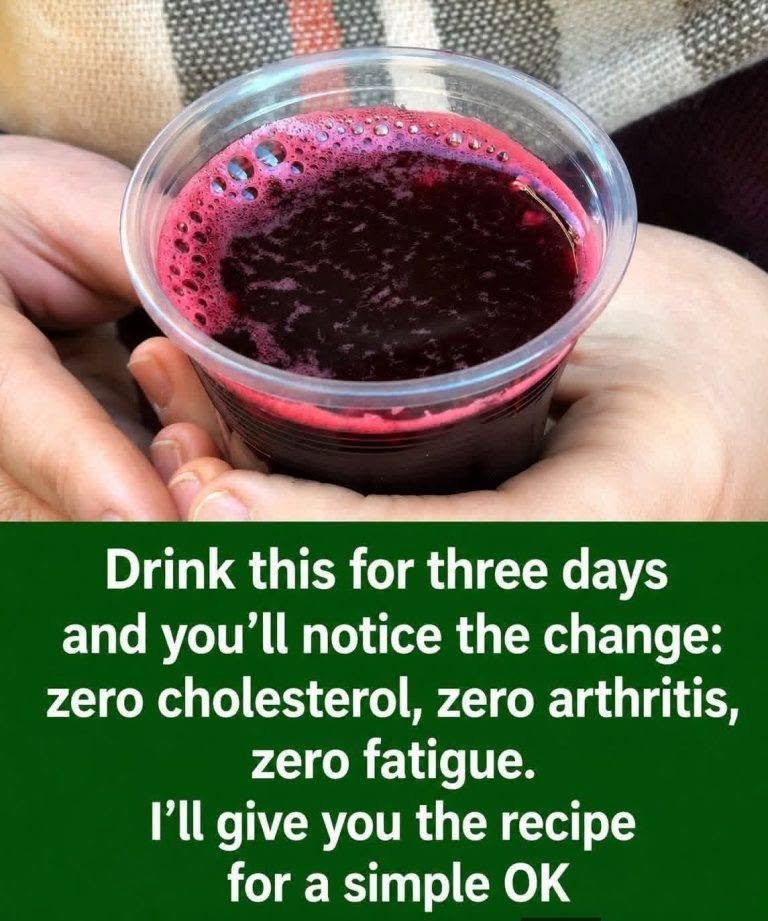
Viral online videos frequently promote 30-day “beetroot tonic challenges,” promising that drinking a daily glass of beet juice will instantly rebuild joint cartilage, clear arterial blockages, and double your physical stamina.
While beetroot cannot replace medical treatments or cure degenerative joint conditions, it is one of the most thoroughly researched whole foods for supporting cardiovascular health and exercise endurance.
Here is an objective, science-based breakdown of why beetroot works so well in the body, the real clinical benefits you can expect over 30 days, and a homestyle recipe to make at home.
The Science: What Happens in 30 Days?
-
Nitric Oxide & Heart Health:
-
The Mechanism: Beetroot is extraordinarily rich in dietary nitrates ($NO_3^-$). When consumed, beneficial oral and gut bacteria convert these nitrates into nitric oxide ($NO$), a signaling molecule that tells smooth muscle cells in your blood vessels to relax and dilate (vasodilation).
-
The Clinical Result: Regular intake improves vascular elasticity, helps lower systolic blood pressure, and reduces the workload on your heart.
-
-
Stamina & Physical Energy:
-
The Mechanism: By expanding blood vessels, nitric oxide improves oxygen delivery to working muscles and enhances mitochondrial efficiency (the energy powerhouses inside your cells).
-
The Clinical Result: Studies show drinking beet juice roughly 60 to 90 minutes before physical activity improves endurance and reduces overall oxygen cost during exertion.
-
-
Joint Comfort & Inflammation:
-
The Mechanism: Beets owe their deep red color to betalains, a class of potent phytonutrients with demonstrated anti-inflammatory and antioxidant properties.
-
The Clinical Result: While betalains won’t regenerate worn-down cartilage, lowering systemic inflammation can help ease mild, daily joint stiffness when paired with a balanced, anti-inflammatory lifestyle.
-
Homestyle Vitality Beet & Citrus Tonic
Pairing beets with Vitamin C-rich citrus enhances iron and antioxidant absorption, while fresh ginger adds a warming, anti-inflammatory kick.
-
Prep Time: 10 minutes
-
Servings: 2
Ingredients:
-
1 medium red beet (scrubbed, peeled, and roughly chopped)
-
1 medium crisp apple (Gala, Honeycrisp, or Granny Smith, cored and chopped for natural sweetness)
-
1 large orange (peeled and quartered)
-
1/2 lemon (peeled)
-
1-inch knob fresh ginger root (peeled)
-
1/2 cup cold water (or coconut water)
-
Optional: Pinch of freshly ground black pepper or a dash of extra virgin olive oil (healthy fats help absorb fat-soluble antioxidants)
Instructions:
-
Prep the Ingredients: Ensure all produce is thoroughly washed. If using a high-powered blender rather than a juicer, chop the beet and apple into smaller 1-inch pieces to help the blades run smoothly.
-
Blend or Juice:
-
If using a juicer: Run the beet, apple, orange, lemon, and ginger through the chute. Serve immediately over ice.
-
If using a blender: Add the water to the bottom of the blender jar, followed by the soft citrus, ginger, apple, and beet pieces. Blend on high speed for 60 to 90 seconds until completely smooth.
-
-
Strain (Optional): If you prefer a smooth, thin tonic, pour the blended mixture through a fine-mesh sieve or nut milk bag into a glass pitcher, pressing gently with a spatula to extract the liquid. Note: Retaining the pulp preserves the healthy dietary fiber!
-
Serve: Pour into a glass and enjoy fresh.
Important Clinical Notes & Precautions
-
“Beeturia” (Harmless Color Change): Do not be alarmed if your urine or stool takes on a pink or reddish tint after drinking this tonic. This is a completely harmless physiological phenomenon called beeturia, occurring in roughly 10% to 14% of the population.
-
Kidney Stone Sensitivity: Beets are naturally high in oxalates. If you have a history of calcium oxalate kidney stones, talk to your doctor or dietitian before consuming high amounts of raw beet juice daily.
-
Blood Pressure Medications: Because beets naturally lower blood pressure, individuals already taking antihypertensive drugs or those prone to hypotension should monitor their readings closely.
