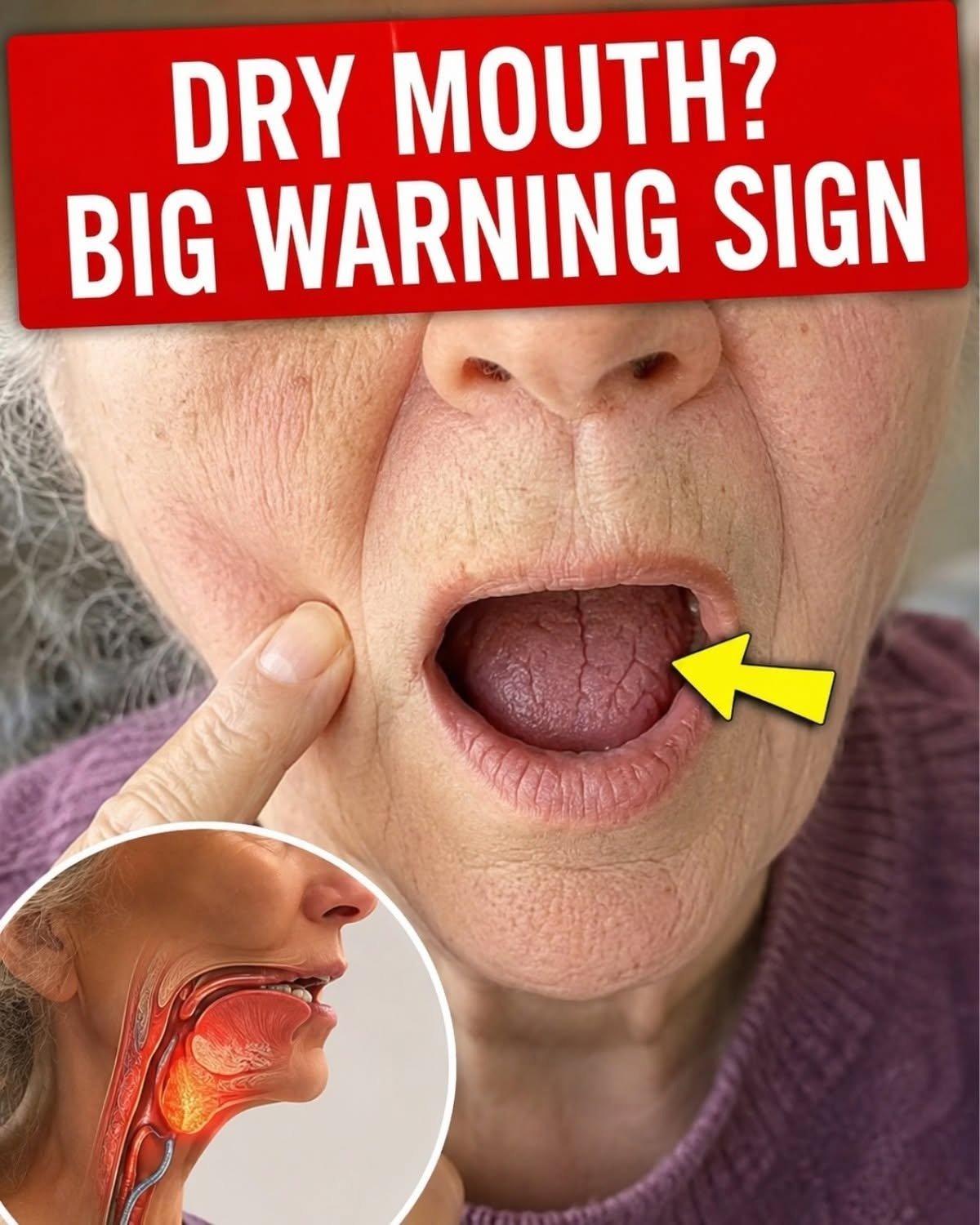
Dismissing chronic dry mouth (xerostomia) as an inevitable consequence of getting older is a widespread mistake. Healthy salivary glands are designed to produce between 1 to 1.5 liters of saliva daily regardless of age.
When your mouth stays dry, it indicates that your salivary glands are actively underperforming or being suppressed—a condition with serious consequences for your oral, digestive, and overall health.
Why Saliva Matters More Than You Think
Saliva is not just water; it is a complex, protective fluid containing enzymes, proteins, minerals, and antibodies.
-
Prevents Rapid Tooth Decay: Saliva washes away food particles, neutralizes plaque acids, and constantly remineralizes tooth enamel with calcium and phosphate. Without it, cavities can form rapidly along the gumline.
-
Fights Infections: Antimicrobial agents in saliva (like lysozyme and IgA antibodies) suppress overgrowth of Candida fungi (thrush) and harmful oral bacteria.
-
Enables Digestion & Taste: Enzymes like amylase begin breaking down starches in the mouth, while saliva dissolves food compounds so taste buds can detect flavor.
Key Triggers Behind Salivary Gland Dysfunction
If aging isn’t the direct cause, what is actually shutting down your saliva flow?
-
Medication Side Effects (Polypharmacy)The single most common cause of dry mouth in older adults. More than 400 common prescription and over-the-counter drugs interfere with salivary nerve signals, including:
-
Antihistamines and decongestants
-
Blood pressure medications (diuretics, beta-blockers, calcium channel blockers)
-
Antidepressants, anti-anxiety meds, and sedatives
-
Muscle relaxants and pain medications
-
-
Autoimmune Conditions (Sjögren’s Disease)Sjögren’s disease is an autoimmune disorder where the immune system mistakenly attacks moisture-producing glands, primarily the salivary and tear glands, severely cutting off fluid production.
-
Nerve DamageHead or neck injuries, surgeries, or radiation therapy for head/neck cancers can damage the cranial nerves that signal salivary glands to secrete fluid.
-
Uncontrolled Diabetes & Metabolic ConditionsHigh blood sugar levels draw water out of tissues, leading to chronic dehydration, changed saliva composition, and reduced gland function.
-
Chronic Mouth Breathing & Sleep ApneaNasal congestion or obstructive sleep apnea causes nighttime mouth breathing, evaporating whatever saliva is produced overnight and leaving the mouth parched upon waking.
Warning Signs Your Salivary Glands Are Struggling
| Symptom | What Is Happening |
| Sticky, Stringy Saliva | Reduced water content elevates saliva viscosity |
| Frequent Sore Throat or Burning Tongue | Loss of protective mucosal lining leads to tissue irritation |
| Difficulty Swallowing Dry Foods | Lack of lubrication prevents proper bolus formation |
| Cracked Lips / Cheilitis | Bacterial and fungal overgrowth at the corners of the mouth |
| Bad Breath (Halitosis) | Stagnant bacteria multiply without saliva to wash them away |
Practical Ways to Stimulate Saliva Flow
-
Use Xylitol Mints or Gum: Xylitol stimulates salivary gland receptors to pump out fluid without feeding cavity-causing bacteria.
-
Review Medications with Your Doctor: Ask if doses can be adjusted, taken at a different time, or swapped for alternatives with fewer anticholinergic side effects.
-
Sip Water Frequently: Keep oral tissues hydrated, but pair this with artificial saliva substitutes or oral moisturizing gels (containing carboxymethylcellulose) for long-lasting relief.
-
Use a Cool-Mist Humidifier: Running a humidifier in the bedroom counters overnight dryness caused by mouth breathing.
