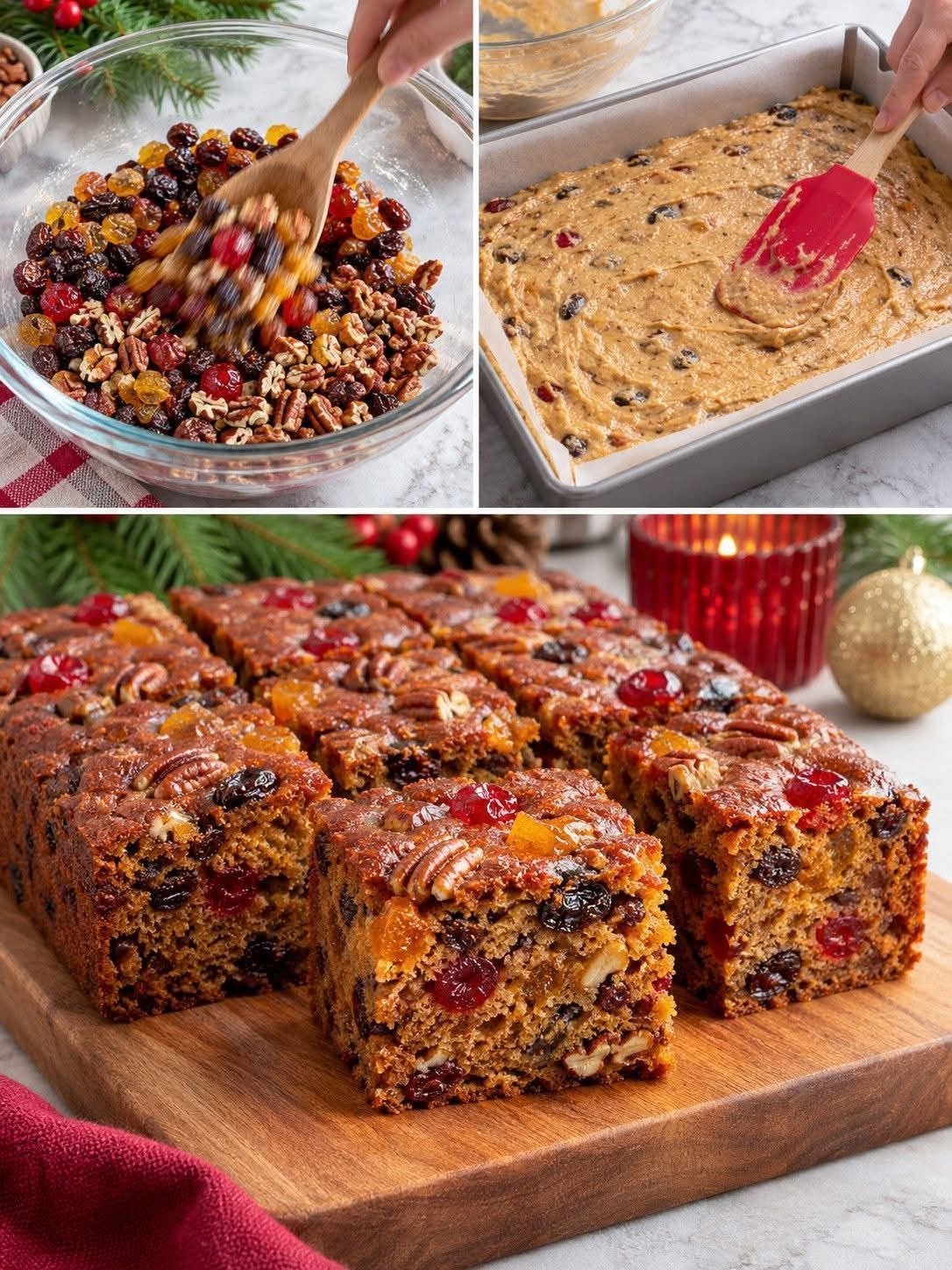
2,000 Years of History and Science
Despite being the frequent punchline of holiday jokes and the subject of endless doorstopper urban legends, fruit cake is one of the most resilient and historically rich culinary traditions in human civilization.
1. From Roman Rations to Victorian Centerpieces
The roots of fruit cake stretch back to ancient times:
-
Ancient Origins: One of the earliest iterations was a Roman energy bar called satura—a dense mix of barley mash, raisins, pomegranate seeds, and honeyed wine carried by soldiers on military campaigns because it was portable and calorie-dense.
-
The Luxury Shift: When trade routes expanded during the Crusades and sugar from the Americas arrived in Europe, dried fruits, honey, and spices transformed the humble cake into a decadent status symbol reserved for royal weddings and major celebrations.
-
Victorian Obsession: Victorian England turned fruit cake into an essential holiday centerpiece, a tradition that later carried over into modern North American and Commonwealth holiday seasons.
2. Why Fruitcake Lasts (Almost) Forever
The legendary shelf life of a traditional fruit cake is a result of food chemistry, not magic:
-
Low Moisture Content: Dried fruits and nuts contain very little free water, starving bacteria and fungi of the moisture they need to grow.
-
High Sugar Concentration: Sugar acts as a natural humectant, binding up remaining moisture molecules so microbes cannot access them.
-
The Power of Alcohol: Traditional recipes call for spirits like brandy, rum, or whiskey. Soaking the cake or wrapping it in liquor-soaked cloth creates an inhospitable environment for mold and yeast through natural preservation. Famous historical examples—such as a 106-year-old fruitcake from an Antarctic expedition—were found remarkably intact.
3. The Art of Aging and Maturation
Unlike standard cakes that dry out within days, a properly made traditional fruit cake actually improves with age.
-
Flavor Harmonization: Over weeks or months of resting in an airtight container (and being periodically “fed” with small amounts of liquor), harsh edges mellow out.
-
Complex Profiles: The sugars, spices, and dried fruits intermingle, developing deep, rich caramel and oak notes very similar to the aging process of fine wine.
