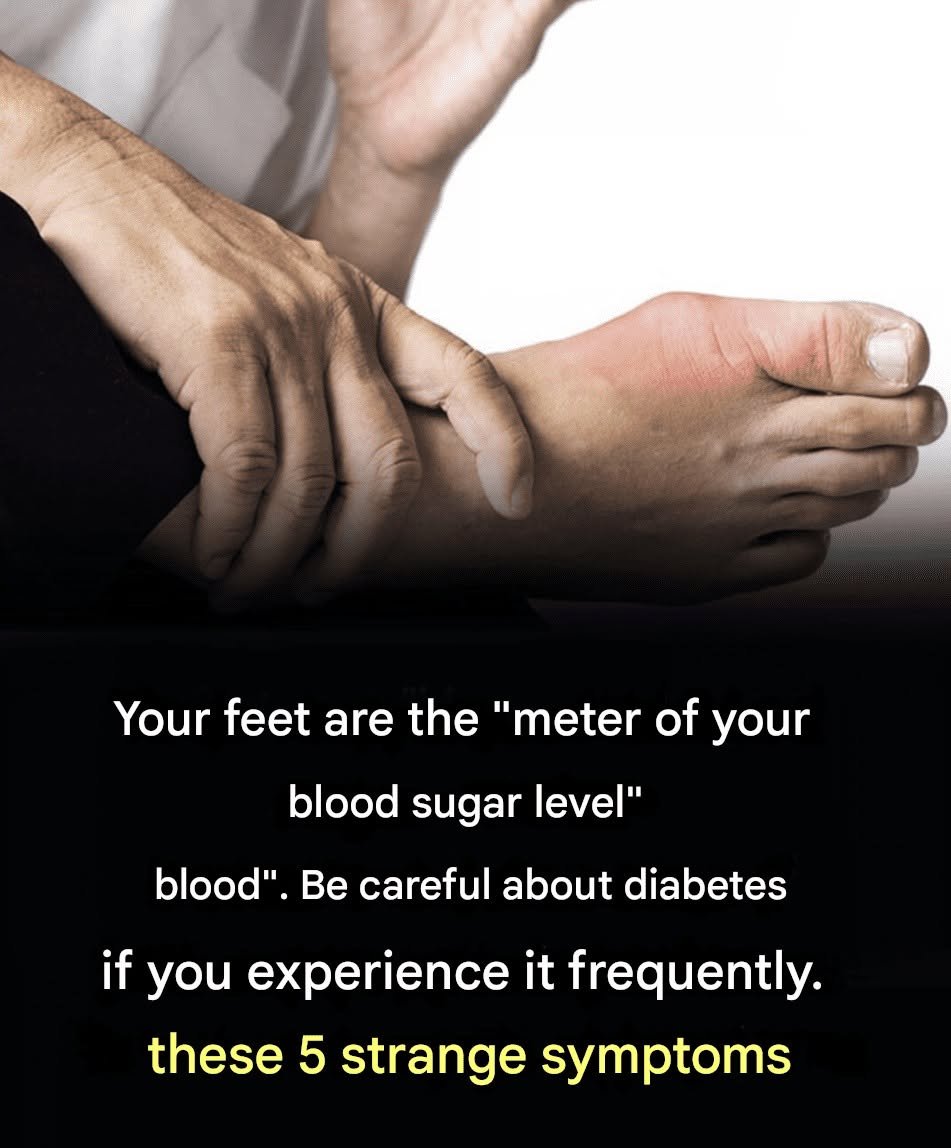
When sensational health articles tease a list of “Five unusual foot symptoms,” they are playing your anxiety like a fiddle—casually implying that a minor ache, a weird tingle, or a cosmetic quirk in your feet is a secret, ticking time bomb for severe systemic disease.
The underlying podiatric and physiological reality is far more practical: while our feet can reflect systemic changes like poor circulation or nerve compression, the vast majority of unusual foot symptoms are caused by simple mechanical stress, ill-fitting footwear, localized skin conditions, or normal aging changes.
An evidence-based look at what unusual foot symptoms actually mean helps separate terrifying medical panic from sound lower-extremity care.
1. Persistent Heel Pain First Thing in the Morning
-
The Alarmist Myth: Stabbing heel pain when you take your first steps out of bed is often dramatized as severe bone decay or chronic structural failure.
-
The Reality: This is the classic hallmark of plantar fasciitis—inflammation of the thick band of tissue running across the bottom of your foot. Overnight, while you rest, the plantar fascia heals in a shortened, contracted position. When you step down, it suddenly stretches, causing sharp pain. It is a common overuse and mechanical strain issue, not a systemic catastrophe.
2. Sudden, Painful Toe Cramps (The “Claw” Foot)
-
The Alarmist Myth: Waking up with your toes curling inward in agony is frequently blamed on sudden neurological collapse.
-
The Reality: Much like nighttime calf cramps, toe cramps are usually caused by localized muscle fatigue, dehydration, electrolyte shifts, or wearing restrictive shoes that force the intrinsic muscles of the foot into an awkward, cramped position for hours.
3. Numbness or Tingling in the Toes (“Pins and Needles”)
-
The Alarmist Myth: A mild tingle in your foot is instantly labeled as advanced neuropathy or permanent nerve death.
-
The Reality: If your foot falls asleep, it is almost always due to temporary nerve compression—sitting with your legs crossed too long, wearing shoes that are too tight in the toe box, or a mild impingement of a nerve in your lower back. While chronic neuropathy does occur (often linked to diabetes or vitamin deficiencies), transient tingling is usually a simple mechanical pinch.
4. Thickened, Yellow Toenails
-
The Alarmist Myth: Discolored nails are often hyped as a sign of deep internal toxicity or failing organ health.
-
The Reality: In most cases, thickened or yellowish toenails point to two very common, localized culprits: a fungal infection (onychomycosis) or repeated micro-trauma from your toes hitting the front of your running shoes during exercise. It’s a localized dermatological or athletic issue, not a whole-body crisis.
5. Cold Feet Constantly
-
The Alarmist Myth: Having cold feet is frequently sensationalized as a sign of imminent circulatory failure or heart disease.
-
The Reality: For the vast majority of people, persistently cold feet simply reflect normal physiological temperature regulation (where your body prioritizes warming your core organs by constricting blood vessels in the extremities), thin skin, low body fat, or mild peripheral vasoconstriction from stress or caffeine.
The Takeaway
Ignore the fear-mongering articles designed to make you panic over every weird ache, cramp, or discoloration in your feet. While persistent, severe, or worsening symptoms—especially if you manage diabetes—always warrant a professional evaluation by a podiatrist or physician, most foot quirks are entirely mechanical and easily managed with better footwear, stretching, and proper care.
