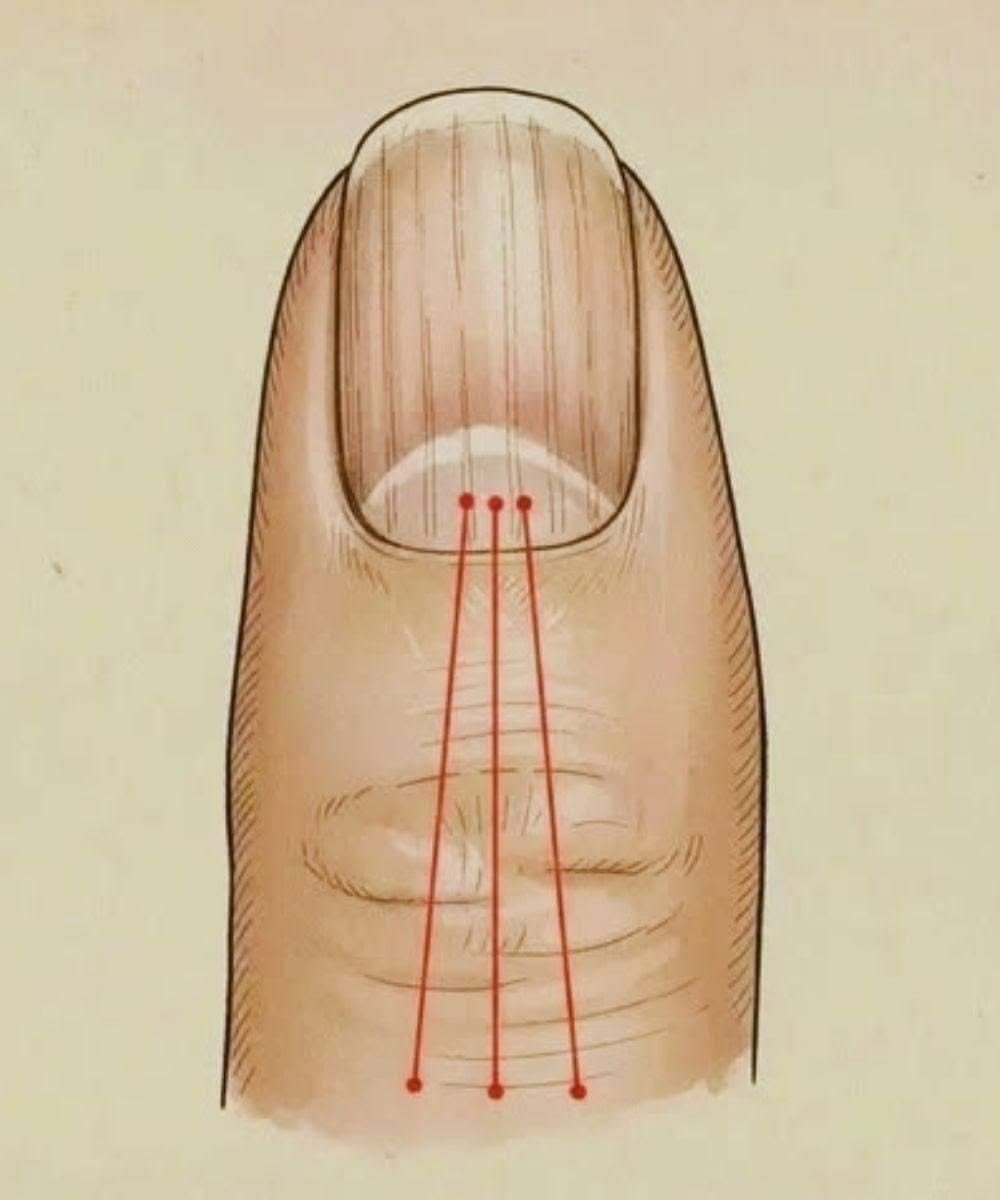
When sensationalized health clickbait claims that “If you have lines on your nails, it means you have ca [cancer],” they are taking a common, completely harmless physical variation and weaponizing medical abbreviations to induce sheer terror. By casually dropping “ca” (medical shorthand for cancer) next to everyday nail ridges, these headlines exploit health anxiety to drive clicks to sensationalized pages.
From a clinical dermatology and geriatric perspective, lines, ridges, or spots on the nails are exceptionally common. While rare nail changes can occasionally signal an underlying medical condition, the vast majority of nail lines are entirely benign—representing normal aging, minor trauma, or simple nutritional factors.
The Reality Behind Nail Lines and Ridges
Why do lines appear on our fingernails and toenails, and what do dermatologists actually look for?
-
Vertical Ridges (The Most Common): If you notice tiny, parallel lines running vertically from your cuticle to the tip of your nail, this is almost always a normal part of aging. Just as skin develops fine lines over time, the nail matrix changes, making vertical ridging as normal as gray hair.
-
Horizontal Lines (Beau’s Lines): Deep horizontal grooves running across the nail surface are called Beau’s lines. These occur when nail growth is temporarily interrupted—not by cancer, but by a past physiological stressor such as a high fever, severe illness, major surgery, sudden nutritional stress, or physical trauma to the nail bed. Once the stress passes, the nail simply grows out.
-
Pigmented Lines (Splinter Hemorrhages vs. Melanoma): Dark vertical lines or brown streaks under the nail can occasionally occur. While most are benign splinters (tiny ruptured blood vessels from minor trauma) or harmless moles under the nail bed (nail matrix nevus), a specific type of pigmented streak can rarely indicate subungual melanoma. However, this requires a professional physical evaluation by a dermatologist, not a blanket panic headline.
Evidence-Based Ways to Care for Your Nail Health
If you notice changes in your nails and want a grounded, sensible approach, clinical guidelines recommend:
-
Moisturize Frequently: Brittle nails with prominent ridges often benefit from simple hydration. Apply hand cream or cuticle oil regularly, especially after washing your hands.
-
Support Overall Nutritional Foundations: Ensure your diet includes adequate protein, biotin-rich foods (like eggs, nuts, and whole grains), and hydration, which support healthy nail plate formation.
-
When to Consult a Dermatologist: If you notice a dark, pigmented streak under the nail that is widening, spreading to the surrounding skin, or if a nail is lifting away from the nail bed without a history of injury, schedule a routine visit with a dermatologist for a professional evaluation.
