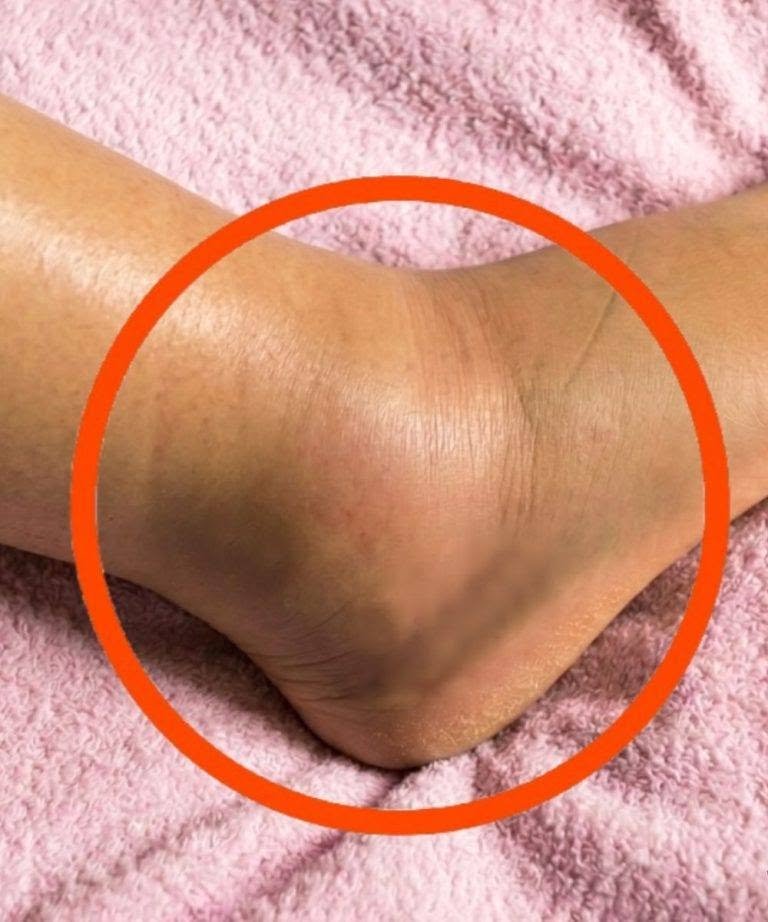
When a sensationalized headline cuts off with “that’s a sign of ca…”—leaving you to fill in the blank with terrifying words like cancer—it is relying on a classic fear-based clickbait tactic. While sudden or chronic leg swelling (edema) is certainly a medical sign that deserves attention, jumping straight to the most catastrophic conclusion ignores the much more common, everyday reasons fluid builds up in the lower extremities.
When fluid pools in your feet, ankles, and legs, it is officially known as peripheral edema. Here is a look at what is actually causing it, ranging from routine lifestyle factors to serious medical conditions that require a doctor’s care:
The Common (and Non-Emergency) Causes of Leg Swelling
-
Prolonged Standing or Sitting: Gravity pulls fluid downward. If you sit at a desk all day or stand on your feet for hours, circulation in your lower legs slows down, causing temporary pooling.
-
High Sodium Intake: Eating a very salty meal prompts your body to retain extra water, which frequently settles in the lowest parts of your body.
-
Venous Insufficiency: As people age, the tiny one-way valves inside leg veins weaken. Instead of pumping blood efficiently back up to the heart, blood slips backward and pools in the lower legs, stretching the veins and causing chronic swelling.
-
Medication Side Effects: A wide range of common prescription drugs can cause fluid retention as a side effect—most notably calcium channel blockers (used for high blood pressure), NSAIDs (like ibuprofen), and certain diabetes medications.
-
Pregnancy or Hormonal Shifts: Increased blood volume and hormonal changes naturally cause mild to moderate fluid retention in the lower limbs.
When Leg Swelling Points to Cardiovascular or Organ Stress
While everyday causes are harmless, persistent or severe edema can indeed be a warning sign that major internal systems are struggling:
-
Congestive Heart Failure (CHF): When the heart’s pumping efficiency drops, blood backs up in the venous system, forcing fluid out of the blood vessels and into surrounding tissues. This typically causes bilateral (both legs) swelling that leaves a dent when pressed (pitting edema).
-
Kidney Disease: The kidneys are responsible for filtering excess fluid and sodium out of your blood. When they are compromised, fluid builds up systemically, often showing up first in the legs and around the eyes.
-
Liver Disease (Cirrhosis): A failing liver struggles to produce essential blood proteins (like albumin), which helps keep fluid inside your blood vessels. When protein levels drop, fluid leaks out into the tissues and abdomen.
Dangerous Red Flags: When Swelling Is an Emergency
While chronic swelling from venous insufficiency or medications develops slowly over weeks, sudden swelling requires immediate medical evaluation because it can indicate an acute, life-threatening event:
-
Deep Vein Thrombosis (DVT): If swelling occurs in only one leg and is accompanied by pain, tenderness, warmth, or visible redness in the calf, it can signal a blood clot trapped in a deep vein. This requires urgent care to prevent the clot from traveling to the lungs (pulmonary embolism).
-
Sudden Shortness of Breath: If leg swelling is accompanied by sudden breathlessness, chest pain, or a rapid heart rate, call emergency services immediately, as these are classic signs of acute heart or lung distress.
The Takeaway: If you notice persistent swelling in your legs, don’t let clickbait panic you into assuming the worst. Mention it to your primary care physician during your next visit. A simple physical exam, blood panel, or circulation check can easily pinpoint whether it’s harmless fluid pooling, a medication side effect, or a sign that your heart, kidneys, or veins need extra support.
