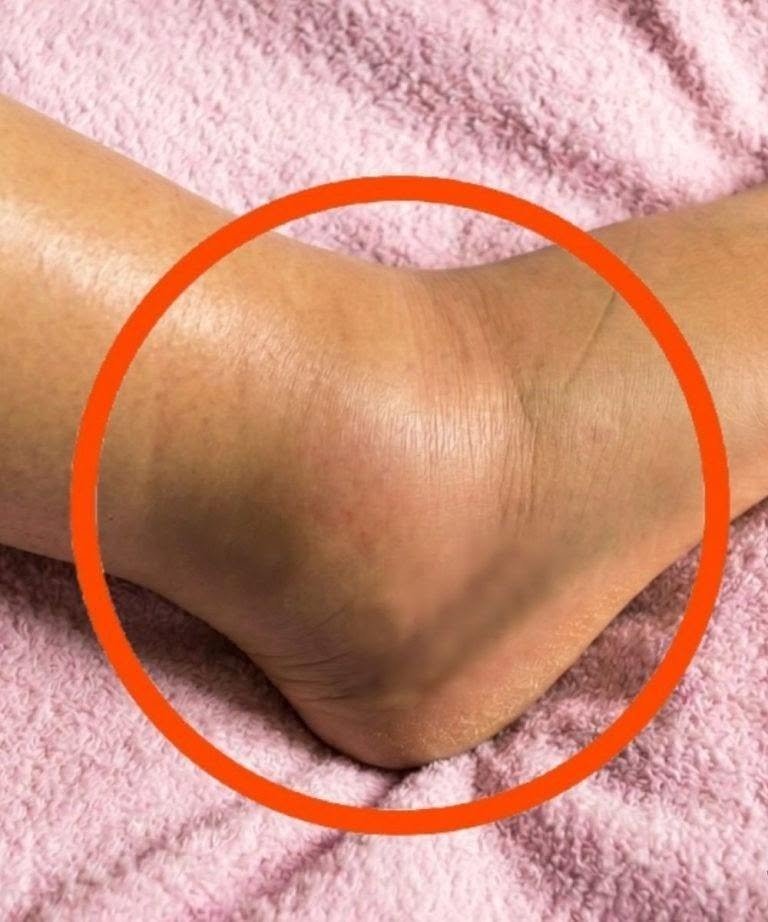
Noticeable swelling in your legs, ankles, or feet—medically termed peripheral edema—is a frequent physiological signal that fluid is accumulating in the interstitial spaces of your lower extremities. While it is most commonly linked to benign circulatory issues, prolonged standing, or minor injuries, persistent or sudden leg swelling can occasionally be an early warning sign of underlying systemic, renal, or oncological conditions.
Primary Causes of Lower Leg Swelling
1. Venous Insufficiency and Varicose Veins
-
Mechanism: The one-way valves inside the superficial and deep veins of the legs weaken over time, allowing blood to pool downward due to gravity rather than efficiently returning to the heart.
-
Clinical Impact: Causes aching, heavy legs and visible swelling that worsens toward the end of the day or after prolonged standing.
2. Congestive Heart Failure (CHF)
-
Mechanism: When the heart muscle loses its pumping efficiency, blood backs up in the venous circulation, increasing hydrostatic pressure in the lower body capillaries and forcing fluid out into surrounding tissue.
-
Clinical Impact: Bilateral (both legs) swelling that often leaves an indentation when pressed (pitting edema), frequently accompanied by shortness of breath and fatigue.
3. Renal (Kidney) Dysfunction
-
Mechanism: Failing kidneys struggle to maintain proper sodium and water balance, leading to fluid overload and a drop in blood albumin levels that reduces intravascular pressure.
-
Clinical Impact: Generalized fluid retention resulting in puffiness in the face, hands, ankles, and feet, often accompanied by foamy urine or elevated blood pressure.
4. Hepatic (Liver) Cirrhosis
-
Mechanism: Scar tissue in the liver obstructs portal blood flow and impairs the production of albumin, causing fluid to accumulate in both the abdominal cavity (ascites) and the lower extremities.
-
Clinical Impact: Leg swelling accompanied by abdominal distension, yellowing of the skin (jaundice), or easy bruising.
5. Deep Vein Thrombosis (DVT)
-
Mechanism: A blood clot forms in a deep vein, obstructing blood return from the limb.
-
Clinical Impact: Critical Medical Concern: DVT typically affects only one leg and is accompanied by sudden, severe pain, localized warmth, redness, and tenderness in the calf.
6. Malignancy and Lymphatic Obstruction (The Cancer Connection)
-
Mechanism: Tumors located in the pelvis, abdomen, or retroperitoneal space can physically press against major blood vessels or lymphatic channels, blocking normal fluid drainage from the lower limbs. Pelvic cancers (such as ovarian, uterine, colorectal, or prostate cancer) can obstruct venous return, while lymphomas can block lymph nodes.
-
Clinical Impact: Unilateral or rapidly progressive leg swelling without an obvious musculoskeletal injury, especially when accompanied by systemic red flags like unexplained weight loss, night sweats, or fatigue.
Differentiating Benign Edema vs. Malignant/Systemic Warning Signs
| Feature | Benign / Circulatory Edema | Systemic or Oncological Edema |
| Distribution | Usually bilateral (both legs, feet, and ankles) | Can be unilateral (single limb obstruction) or generalized |
| Onset | Gradual, developing over months or years | Rapid, sudden, or progressively worsening |
| Associated Symptoms | Aching, heaviness, visible varicose veins | Weight loss, fatigue, pain, pelvic pressure, or breathing difficulty |
| Response to Elevation | Improves significantly after sleeping or elevating legs | Persists despite overnight elevation |
Diagnostic Evaluation & When to Seek Urgent Care
If you experience persistent or unexplained leg swelling, physicians rely on specific diagnostic checkpoints:
-
Blood Panels: Complete metabolic panel, kidney function tests (creatinine, eGFR), liver enzymes, and cardiac biomarkers.
-
Imaging: Duplex ultrasound to rule out deep vein thrombosis, or targeted abdominal/pelvic imaging (CT or ultrasound) if lymphatic or vascular obstruction by a mass is suspected.
Medical Warning: Seek emergency medical evaluation immediately if leg swelling occurs suddenly in only one leg, is accompanied by sharp chest pain, shortness of breath, or coughing up blood, as these symptoms can indicate a life-threatening pulmonary embolism originating from a blood clot.
