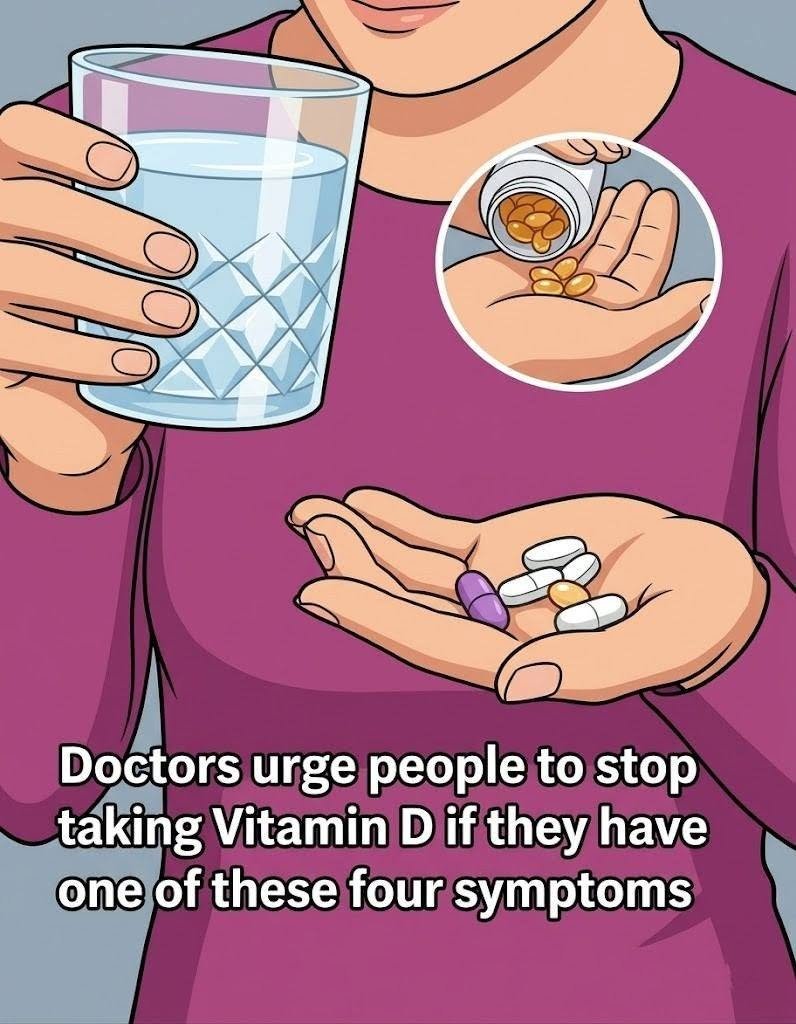
When sensationalized health articles or videos scream warnings like “Important Warning from Doctors: Stop Taking Vitamin D Immediately If You Have These 4 Symptoms,” they are capitalizing on fear surrounding supplement safety.
While vitamin D toxicity (hypervitaminosis D) is a real clinical phenomenon, it is exceedingly rare and almost exclusively caused by long-term, unmonitored megadoses of supplements (typically tens of thousands of international units daily over months), rather than normal dietary intake or standard daily supplementation.
The Core Mechanism: What Excess Vitamin D Actually Does
Vitamin D is a fat-soluble vitamin. Its primary job is to actively facilitate the absorption of calcium from your diet into the bloodstream.
When someone floods their system with massive, toxic amounts of vitamin D over a prolonged period, it triggers an overwhelming surge of calcium absorption. This results in hypercalcemia (abnormally high blood calcium). Virtually all symptoms of vitamin D toxicity are actually symptoms of hypercalcemia disrupting your neurological, gastrointestinal, and renal systems.
The Clinical “Red Flag” Symptoms of Toxicity
If a patient is experiencing true vitamin D toxicity, doctors look for a cluster of severe, persistent signs linked to calcium overload:
-
Severe Gastrointestinal Distress: Persistent nausea, vomiting, frequent abdominal pain, and profound loss of appetite.
-
Extreme Thirst and Frequent Urination (Polydipsia and Polyuria): High blood calcium forces the kidneys to work overtime to filter and clear the excess, leading to dehydration.
-
Neurological and Cognitive Shifts: Persistent fatigue, muscle weakness, confusion, brain fog, or apathy.
-
Renal Strain: In severe, unmanaged cases, calcium deposits can form kidney stones or impair kidney function.
What Clickbait Warnings Get Wrong
-
The “Standard Dose Panic” Myth: Clickbait often implies that taking a standard over-the-counter daily supplement (like 1,000 to 2,000 IU) or eating vitamin D-rich foods will trigger sudden toxicity. In reality, your body regulates vitamin D synthesis from sunlight naturally, and standard maintenance doses are safe for the vast majority of people.
-
Ignoring Blood Work: True toxicity requires a blood test showing serum 25-hydroxyvitamin D levels well above normal thresholds (typically exceeding 100–150 ng/mL) alongside elevated calcium. You cannot diagnose toxicity based on vague daily fatigue alone.
The Bottom Line
If you are taking high-dose, prescription-strength vitamin D under a doctor’s care, routine blood panels are necessary to ensure your levels stay in the safe, optimal zone. However, if you are taking a standard daily supplement and experiencing random symptoms, do not panic over internet scare tactics—consult a healthcare professional to run a simple 25-hydroxyvitamin D and calcium blood panel to find out what is actually happening.
