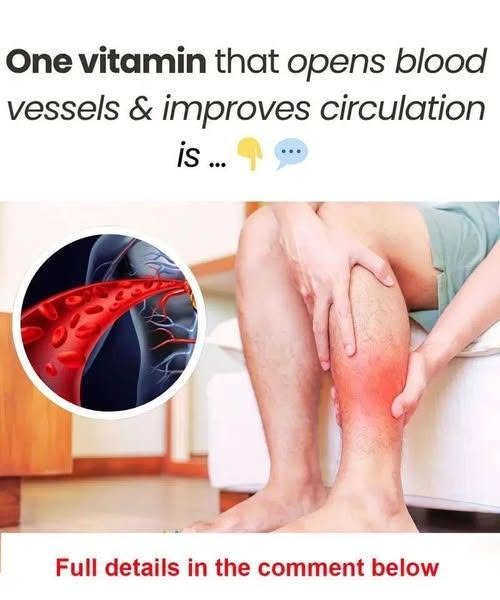
When health blogs and supplement advertisements use a breathless cliffhanger like “One vitamin that opens blood vessels and improves circulation…” they are playing on a very common anxiety about poor circulation, cold hands, or sluggish energy. They want you to believe there is a single, magical pill that instantly flushes out your cardiovascular system.
In clinical reality, the human circulatory system is a complex, multi-layered hydraulic network. No single vitamin acts as a magic valve opener, but understanding how specific nutrients and compounds interact with your blood vessels helps cut through the marketing hype.
The Reality of Circulation and Blood Vessels
Your blood vessels (arteries, veins, and capillaries) regulate blood flow dynamically using smooth muscle cells in their walls. When blood vessels need to widen—a process called vasodilation—your body relies on specific chemical signals, primarily nitric oxide (NO).
While people often look for a single “vitamin,” circulation is actually supported by a combination of foundational micronutrients and amino acids:
-
Vitamin B3 (Niacin): Niacin is frequently the nutrient behind these headlines because high doses can cause a physiological reaction known as the “niacin flush.” It triggers small blood vessels (capillaries near the surface of the skin) to dilate, causing a warm, tingling, red sensation. However, niacin flush is primarily a surface-level capillary response, not a deep cardiovascular cure-all, and taking high-dose niacin requires medical guidance to avoid liver strain or cholesterol complications.
-
Vitamin C: This powerful antioxidant helps protect nitric oxide from breaking down prematurely in the bloodstream. By preserving nitric oxide, Vitamin C indirectly supports the natural ability of your blood vessels to relax and expand properly.
-
Nitric Oxide Precursors (L-Arginine and L-Citrulline): While technically amino acids rather than vitamins, these are the actual raw materials your body uses to manufacture nitric oxide and keep blood vessel walls flexible.
What Clickbait Ads Get Wrong
Sensationalized wellness marketing loves to twist basic physiology into dramatic cure-all promises:
-
The “Instant Unblocker” Myth: Ads often imply that taking a specific vitamin will blast away plaque or instantly open stiff, aged arteries. In reality, clearing arterial plaque (atherosclerosis) involves long-term lifestyle management, blood pressure control, cholesterol management (such as statins when prescribed), and smoking cessation—not a single supplement.
-
Ignoring the Dose and Safety: High-dose vitamin supplements are often marketed as “completely natural, so more is better.” In reality, excessive megadoses of certain vitamins can cause adverse side effects or interact negatively with prescription blood pressure and heart medications.
Practical, Evidence-Based Ways to Support Circulation
If you want to support healthy blood flow and vascular tone naturally, focus on proven physiological habits:
-
Regular Aerobic Exercise: Physical activity is clinically proven to stimulate the production of nitric oxide in your endothelium (the inner lining of your blood vessels), making your blood vessels naturally more elastic and responsive.
-
Hydration: Dehydration reduces overall blood volume, forcing your heart to work harder and reducing efficient circulation to your extremities.
-
Dietary Nitrates: Eating nitrate-rich whole foods—such as beets, leafy greens, and pomegranates—provides your body with natural compounds that efficiently convert into nitric oxide to support healthy blood pressure and flow.
The Bottom Line
There is no single vitamin that acts as a magic key for your blood vessels. Healthy circulation is the result of consistent hydration, movement, smart nutrition, and proper management of underlying health conditions with your physician—skip the internet hype and focus on the habits that actually keep your heart and vessels strong.
