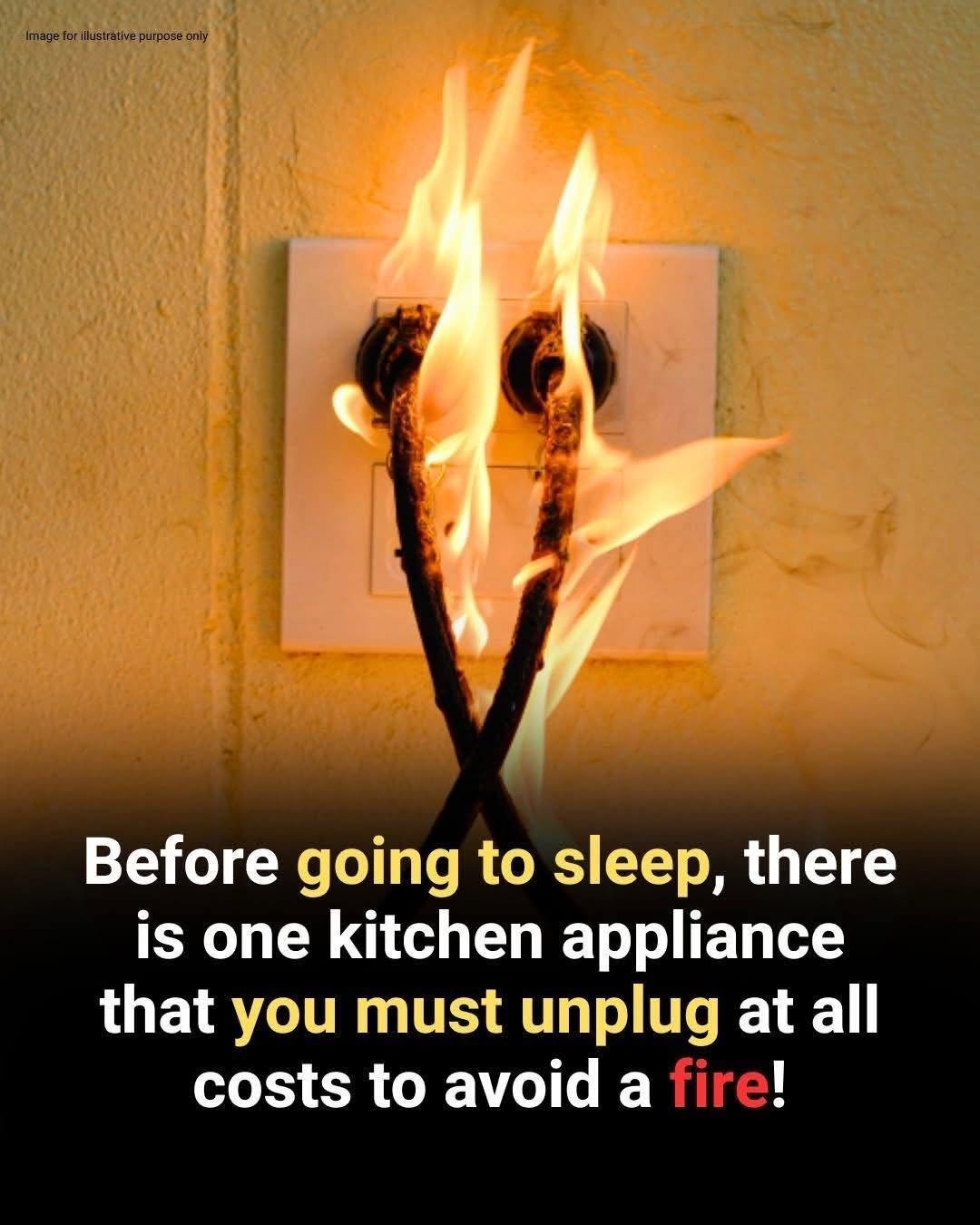
When sensational home maintenance blogs warn you to “Protect Your Home and Wallet: Unplug These 5 Appliances When You’re Done Using Them,” they frame everyday kitchen and bathroom gadgets as ticking financial time bombs or stealthy fire hazards.
The underlying electrical and economic reality is much more mundane: while “phantom load” (or standby power) is a real phenomenon, unplugging every small appliance after a single use yields negligible savings on your electricity bill and is entirely unnecessary for modern, certified electronics. Modern appliances with digital clocks, remote controls, or standby modes do draw a tiny trickle of continuous power (usually less than a watt to a few watts), but the cost amounts to pennies a year—not hundreds of dollars.
An evidence-based look at standby power and true home safety helps separate electrical panic from practical common sense.
1. What “Phantom Load” Actually Costs You
Phantom energy (or vampire draw) occurs when an electronic device is plugged in and turned off, but its internal transformer or digital display continues to draw a trickle of current.
-
The Math: A device drawing 2 watts of standby power continuously for an entire year uses roughly 17.5 kilowatt-hours (kWh). At average global electricity rates, that costs about $2 to $3 per appliance, per year.
-
The Takeaway: Unplugging your toaster or coffee maker after every single use will not noticeably shrink your utility bill. The financial panic stoked by these headlines is vastly exaggerated.
2. When Unplugging Does Matter (Safety vs. Savings)
While chasing standby pennies is pointless, there are genuine, evidence-based reasons to unplug or disconnect certain devices based on safety, heat generation, and water risk:
-
Heating Appliances (Toasters, Hair Straighteners, Irons): Devices with exposed heating elements or high-wattage resistance coils (like curling irons or hair straighteners left plugged in on bathroom counters) pose an accidental burn or fire hazard if bumped, short-circuited, or left on by mistake. Unplugging these after use is a sound safety habit, not an energy-saving trick.
-
Appliances Near Water (Hair Dryers, Countertop Mixers near Sinks): Devices stored directly adjacent to sinks or bathtubs should be unplugged when not in use to eliminate any risk of accidental submersion or electrical shock if moisture interacts with the internal wiring.
-
Storm and Surge Protection: During severe thunderstorms or grid instability, sensitive electronics with microchips (like microwaves or expensive espresso machines) are vulnerable to power surges. Using a certified surge protector or unplugging them during major storms is effective risk management.
3. Appliances You Never Need to Unplug
-
Large Major Appliances (Refrigerators, Freezers): Unplugging a refrigerator to save energy is a false economy; the energy required to cool the interior back down from room temperature far exceeds the standby draw, and interrupting freezer cycles risks food spoilage.
-
Hardwired or Smart-Home Hubs: Routers, smart thermostats, and appliances that require continuous background updates or refrigeration cycles are designed to stay connected 24/7.
The Takeaway
Ignore the sensationalized warnings that your household appliances are quietly bleeding your wallet dry through phantom loads. You don’t need to stalk your kitchen pulling toaster plugs after breakfast. Focus instead on genuine safety commonsense: unplug high-heat styling tools and appliances near water when you are finished using them, and let the rest stay plugged in safely.
