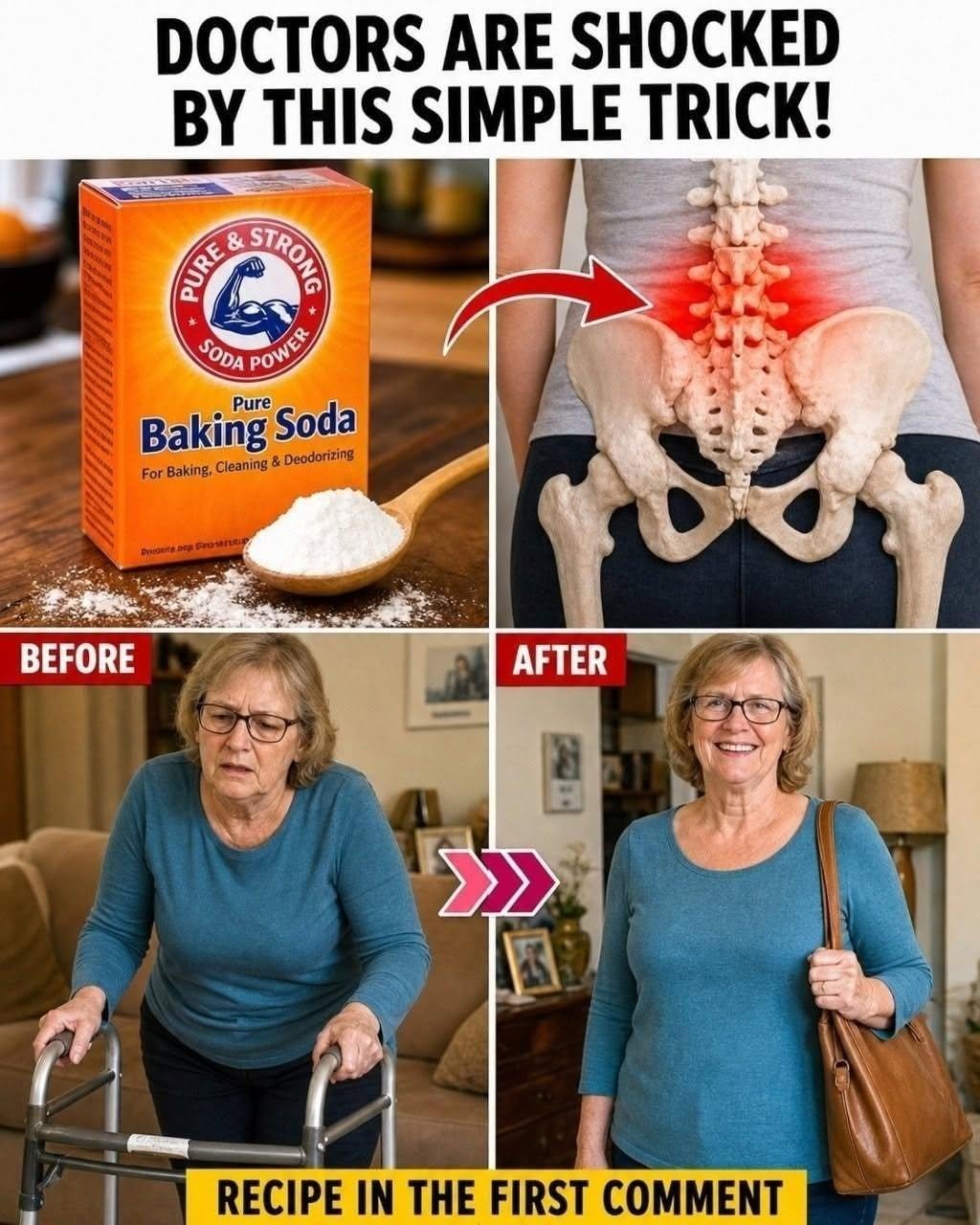
Sensationalist health clickbait loves targeting seniors with alarming headlines promising that baking soda can cure up to 13 common health problems if used in a secret “special way.” In clinical medicine, nephrology, and pharmacology, ingesting baking soda (sodium bicarbonate) as a general health tonic is not a safe cure-all—and for older adults, it can actually introduce serious physiological risks.
The Clinical Reality: What Baking Soda Actually Does in the Body
Baking soda is a simple, highly alkaline chemical compound (sodium bicarbonate). While it has very narrow, specific medical uses (such as short-term management of severe acid indigestion or specific clinical acidosis under strict physician supervision), drinking it regularly for multiple health conditions causes significant physiological complications:
-
Sodium Overload and Blood Pressure Spikes
-
The Mechanism: Baking soda is exceptionally high in sodium. Ingesting it dumps a massive load of sodium straight into your bloodstream. For older adults—many of whom are managing hypertension, heart failure, or kidney vulnerability—sudden high sodium intake causes fluid retention, worsens high blood pressure, and strains the cardiovascular system.
-
-
Dangerous Electrolyte and pH Imbalances (Metabolic Alkalosis)
-
The Mechanism: Because sodium bicarbonate is a powerful base, drinking it alters your body’s delicate acid-base balance. Over-alkalizing your system can lead to metabolic alkalosis, causing symptoms like muscle twitching, nausea, confusion, and irregular heart rhythms.
-
-
Stomach Rupture Risk (Acid Rebound)
-
The Mechanism: While people sometimes drink baking soda to relieve heartburn, neutralizing stomach acid causes the stomach to subsequently produce more acid in response (acid rebound). Furthermore, mixing baking soda with water creates carbon dioxide gas; if ingested in large amounts, it can cause severe gastric distension or even stomach rupture.
-
-
Interactions with Prescription Medications
-
The Mechanism: Changing your stomach pH and systemic electrolyte levels interferes with how your body absorbs and processes common senior medications (such as certain heart drugs, blood thinners, and blood pressure pills), potentially rendering them dangerous or ineffective.
-
Safe, Evidence-Based Alternatives for Common Senior Concerns
Instead of relying on kitchen chemistry to address aches, digestion, or fatigue, clinical care focuses on proven strategies:
-
For Acid Reflux: Use medically approved antacids or proton pump inhibitors under a doctor’s guidance, and avoid trigger foods (like caffeine, citrus, or heavy evening meals).
-
For Bone and Joint Health: Rely on a balanced diet rich in calcium, vitamin D, and protein, combined with physical therapy or low-impact weight-bearing exercise.
-
For Hydration: Stick to pure water and electrolyte balance managed through wholesome nutrition rather than chemical home brews.
The Bottom Line
Save baking soda for baking biscuits or scrubbing kitchen sinks. Drinking it as a multi-disease cure is a hazardous internet myth that carries very real risks for older adults.
Are you looking for safe ways to manage acid reflux, or exploring healthy nutrition guidelines?
