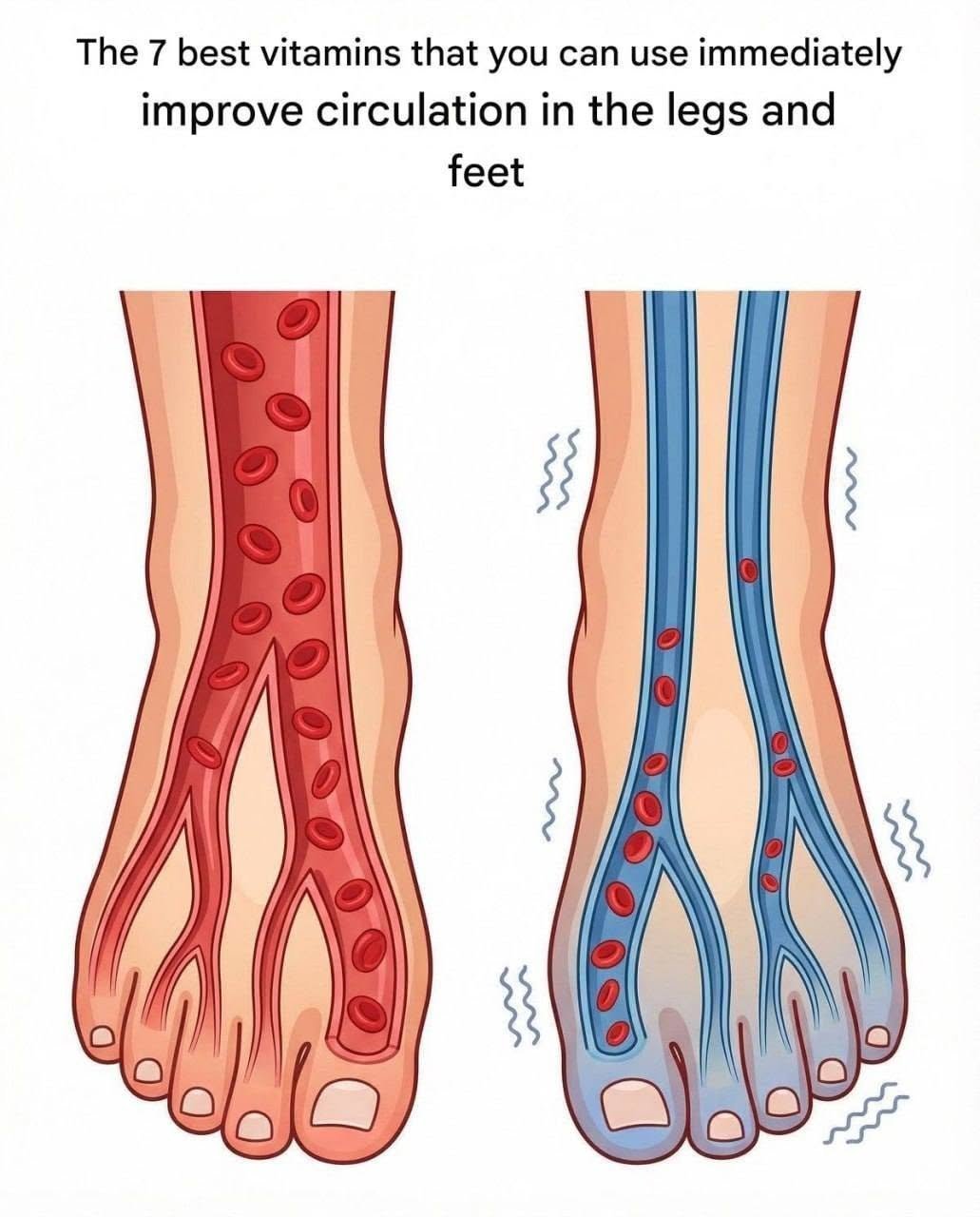
Headlines promising that you can “fix poor circulation in just 20 minutes” rely on classic health-clickbait formulas. They take a complex medical symptom—often described as cold hands, numbness, or sluggish blood flow—and package it with an impossible promise of an instant, rapid-fire cure.
Whether the viral post advocates for a specific 20-minute exercise routine, a miracle supplement, or a bizarre foot soak, the underlying pitch is the same: reduce a multi-system circulatory issue to a quick kitchen or living room fix. Understanding how the human vascular system actually works helps separate medical reality from internet shortcuts.
Why “20-Minute Circulation Fix” Clickbait Misleads
Sensationalized health posts thrive on oversimplifying how blood moves through the body:
-
Confusing Temporary Relief with a “Fix”: Light movement or heat can temporarily dilate blood vessels and boost localized blood flow for a short time. However, this is symptomatic relief, not a cure for poor circulation.
-
Ignoring Underlying Causes: Poor circulation is rarely a standalone disease; it is almost always a downstream symptom of an underlying medical condition, such as peripheral artery disease (PAD), chronic venous insufficiency, diabetes, Raynaud’s phenomenon, or prolonged sedentary behavior. A 20-minute trick cannot reverse arterial plaque or repair damaged vein valves.
The Real Mechanics of Improving Circulation
While you cannot “fix” chronic vascular issues in twenty minutes, you can genuinely support and improve your overall cardiovascular health through consistent, long-term habits:
-
Regular Skeletal Muscle Contraction: The muscles in your lower legs act as a vital secondary pump, pushing blood back up toward your heart against gravity. Regular walking, cycling, or resistance training strengthens this muscular pump far more effectively than a single 20-minute stretch.
-
Cardiovascular Conditioning: Aerobic exercise encourages the body to develop collateral blood vessels (angiogenesis) and improves the overall elasticity and efficiency of your arterial network.
-
Managing Risk Factors: True circulatory health requires managing blood pressure, stopping smoking (which constricts blood vessels and damages arterial walls), staying properly hydrated, and keeping blood sugar levels stable.
When to See a Doctor
If you experience persistent, severe, or one-sided coldness, pain, cramping in your legs while walking (claudication), or slow-healing sores on your feet, do not rely on 20-minute internet hacks. These are clear signs that require a proper medical evaluation by a physician or vascular specialist to diagnose and treat the root cause.
The Bottom Line
Ignore the viral clickbait promising a 20-minute instant fix for poor circulation. Healthy blood flow is built on consistent cardiovascular exercise, good nutrition, smoking cessation, and proper medical management—not a rapid internet shortcut.
