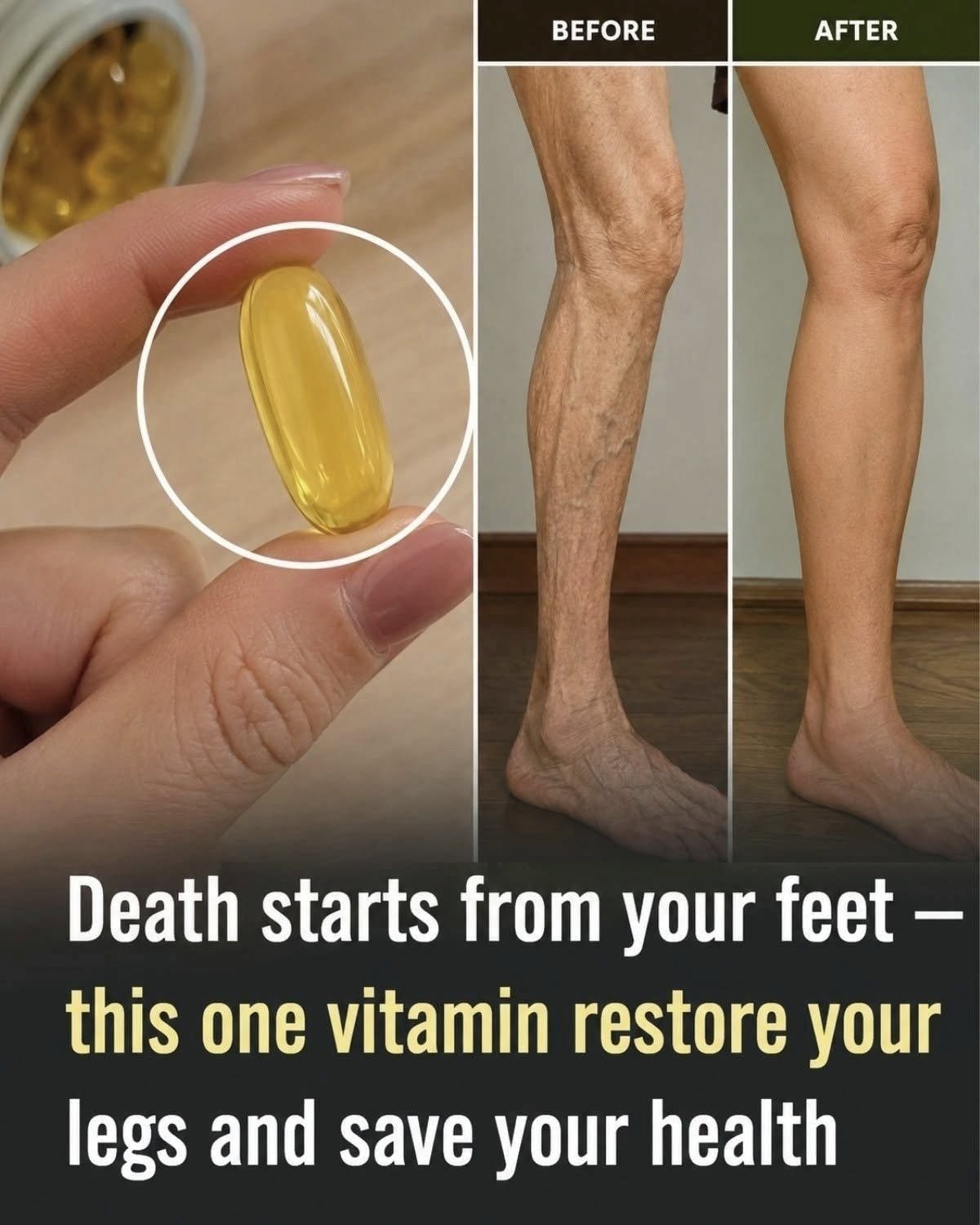
Sensations like “dead feet” (numbness, tingling, or a loss of feeling) paired with “heavy calves” (aching, muscular fatigue, or tightness) are classic warning signs that your nervous system and circulatory pathways are struggling.
While several nutrients support lower-body health, Vitamin B12 (Cobalamin) is overwhelmingly considered the most critical “missing piece” when dead sensations in the feet occur alongside calf weakness. However, key companion nutrients play complementary roles depending on whether your primary issue stems from nerve conduction, vascular flow, or muscular exhaustion.
1. The MVP: Vitamin B12 (The Nerve & Blood Fuel)
If your feet feel “dead,” asleep, or wrapped in thick socks, Vitamin B12 deficiency is often the primary culprit.
-
How it works: B12 is essential for producing myelin, the protective fatty sheath that insulates your peripheral nerves. Without enough B12, the myelin layer degrades, leading to peripheral neuropathy—causing numbness, prickling “pins and needles,” and delayed signals from your brain to your feet.
-
Why calves feel heavy: B12 is also required to produce healthy red blood cells. A deficiency leads to megaloblastic anemia, where the blood cannot deliver enough oxygen to large muscle groups, leaving your calf muscles feeling fatigued, heavy, and weak during routine walking.
-
Best Sources: Grass-fed beef, liver, wild-caught salmon, eggs, dairy, and fortified nutritional yeast.
2. The Muscle & Vessel Relaxer: Magnesium
When heavy calves are accompanied by frequent night cramps, tightness, or fluid retention, a magnesium deficit is frequently at play.
-
How it works: Magnesium regulates cellular calcium levels inside muscle tissue. When magnesium drops, muscles remain in a semi-contracted state, making your calves feel rigid and heavy. It also helps regulate vascular smooth muscle, improving venous blood return from the lower legs back up to the heart.
-
Best Sources: Pumpkin seeds, spinach, dark chocolate, almonds, and avocados.
3. The Vascular Protector: Vitamin D3
Low levels of Vitamin D are heavily linked to deep leg fatigue, bone pain, and vascular dysfunction in the lower extremities.
-
How it works: Vitamin D keeps the endothelial lining of your leg blood vessels flexible and reduces arterial inflammation. A deficiency contributes to poor circulation and muscle weakness, leaving your lower legs feeling dull, achy, and heavy by the end of the day.
-
Best Sources: Sunlight exposure, fatty fish (salmon, sardines), egg yolks, and high-quality D3/K2 oil supplements.
4. The Nerve Energy Spark: Vitamin B1 (Thiamine)
-
How it works: Thiamine is required for carbohydrate metabolism in nerve cells. Severe B1 deficiency causes a condition known as beriberi, which manifests directly as lower leg heaviness, calf tenderness, gait instability, and severe numbness in the soles of the feet.
-
Best Sources: Whole grains, sunflower seeds, pork, legumes, and squash.
Summary Checklist: What Are Your Legs Telling You?
| Symptom | Primary Missing Nutrient | Secondary Factor |
| Numbness, loss of touch, “dead” soles | Vitamin B12 | Vitamin B6 / Nerve compression |
| Heavy, aching calves + leg fatigue | Magnesium & Vitamin D | Iron Deficiency (Anemia) |
| Cold feet + tight calf cramps | Potassium & Magnesium | Poor Venous Return / PAD |
Important Clinical Precaution
While optimizing your vitamins can make a dramatic difference, progressive numbness in the feet or sudden heaviness in the legs should always be evaluated by a healthcare provider. They can perform a simple serum blood panel (checking B12, methylmalonic acid, ferritin, and Vitamin D levels) and rule out underlying structural issues like lumbar nerve impingement (sciatica), venous insufficiency, or diabetic peripheral neuropathy.
