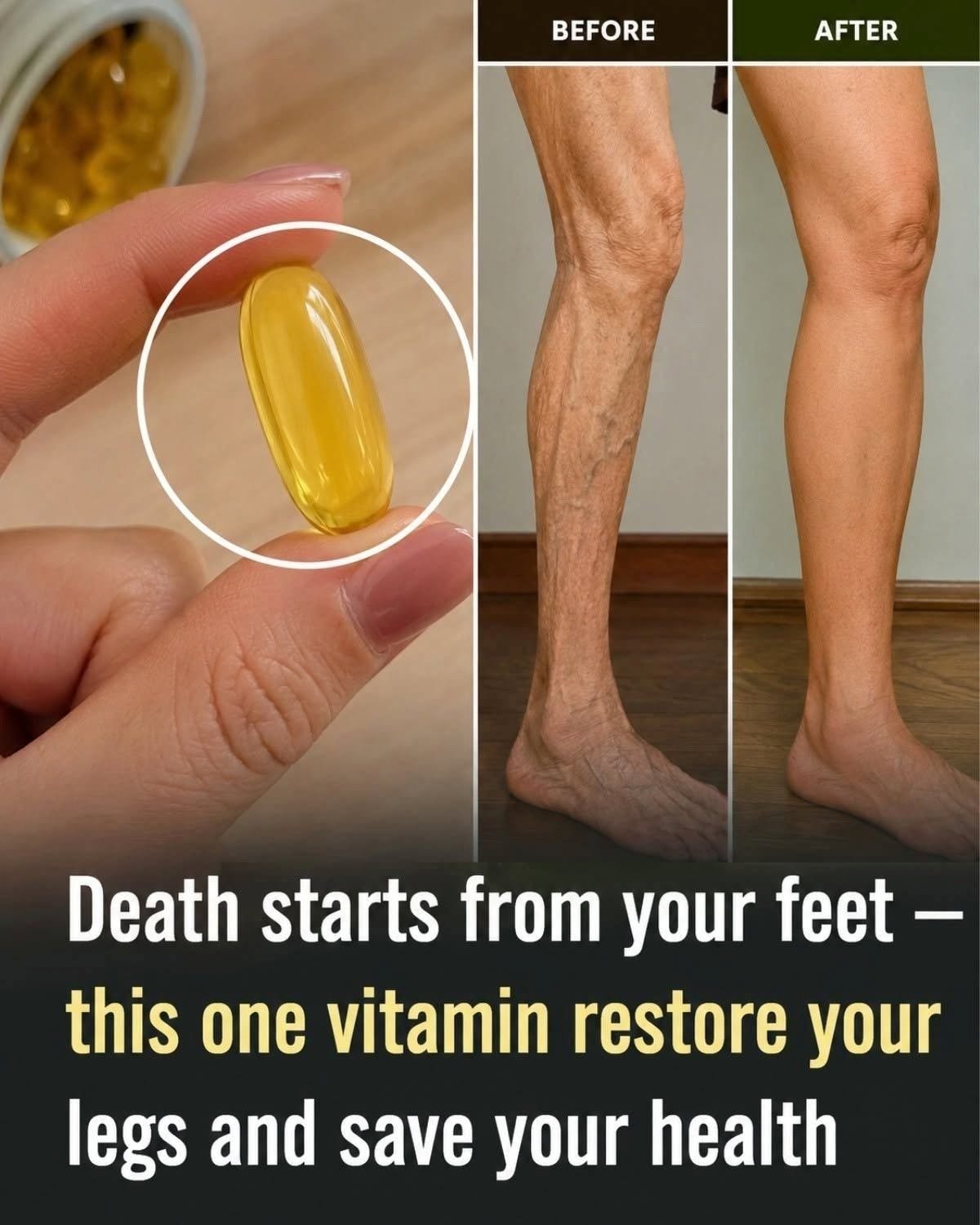
When wellness clickbait headlines tease “The Best Vitamin for Your Legs: What Dead Feet and Heavy Calves Are Missing,” they rely on a classic marketing formula: taking complex, multi-system physical discomforts and promising that a single, obscure nutrient will magically cure them overnight.
In clinical reality, there is no single “vitamin” that serves as a cure-all for heavy calves or numb, “dead” feet. These sensations are physical signals from your vascular and neurological systems—not a grocery list deficiency waiting for a miracle supplement.
What Clickbait “Leg Vitamin” Myths Get Wrong
-
The “Magic Pill” Fallacy: Clickbait articles love to attribute systemic circulation and nerve problems to a single missing nutrient, pretending that swallowing an expensive proprietary blend will instantly restore youthful spring to your legs.
-
Confusing Nutrition with Mechanics: Viral posts gloss over the fact that heavy, tired legs and numb feet are frequently mechanical or structural issues—such as blood pooling in veins or physical nerve compression—which no vitamin alone can reverse.
The Clinical Reality: What “Dead Feet” and “Heavy Calves” Actually Signify
Vascular surgeons, neurologists, and primary care physicians evaluate leg heaviness and foot numbness by looking at two distinct physiological networks: the circulatory system and the peripheral nervous system.
-
Heavy Calves and Chronic Venous Insufficiency (CVI):When your calves feel heavy, achy, or weighed down by the end of the day, the culprit is often venous pooling. Your leg veins rely on one-way valves and the contraction of your calf muscles (the “calf muscle pump”) to push blood back up to the heart against gravity. When those valves weaken or you spend hours standing or sitting motionless, blood and fluid stagnate in the lower extremities, creating a literal feeling of heavy, fluid-burdened weight.
-
“Dead” Feet and Peripheral Neuropathy:Sensations of numbness, deadness, or prickling in the feet point toward nerve signaling disruptions. While a verified clinical deficiency in Vitamin B12 (or other B-complex vitamins) can indeed impair nerve function and cause neuropathy, numbness is vastly more often driven by mechanical nerve compression (such as lumbar spinal stenosis) or metabolic conditions like type 2 diabetes affecting microvascular nerve supply.
-
Arterial Flow and Oxygen Demand:If legs feel exhausted, cramping, or heavy during physical activity, it can indicate peripheral artery disease (PAD), where narrowed arteries restrict oxygen-rich blood delivery to active muscle tissue.
Evidence-Based Steps for Leg and Foot Health
Instead of chasing unproven supplement trends, clinical guidelines focus on targeted lifestyle measures and objective evaluations:
-
Activate Your Natural Calf Pump: Counteract venous pooling by taking regular movement breaks, performing ankle circles, and taking brisk walks to fire up your calf muscles and assist blood return.
-
Utilize Strategic Elevation: Elevating your legs above the level of your heart for 15 to 20 minutes at the end of the day harnesses gravity to help clear pooled fluid and relieve heavy calf pressure.
-
Test Before You Supplement: If you suspect a nutritional factor (such as a B12 or iron deficiency), have your doctor run a targeted blood panel rather than guessing with high-dose multivitamins.
-
Seek Professional Evaluation: Persistent swelling, unilateral leg pain, skin discoloration, or chronic numbness warrant a professional clinical assessment to map your circulation and nerve function accurately.
