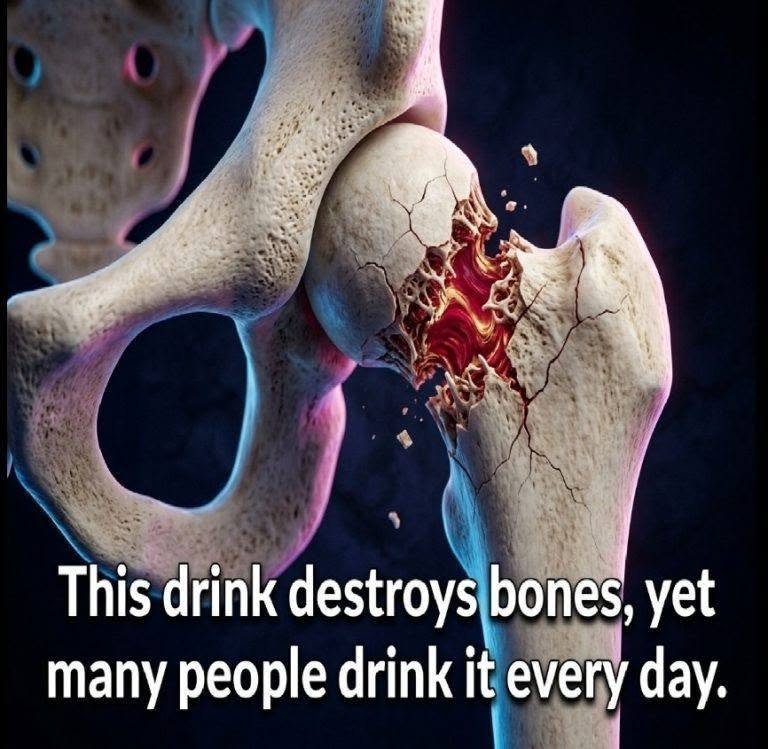
When it comes to bone longevity and preventing conditions like osteopenia or osteoporosis, the beverages you consume daily play a critical role. While adequate calcium and Vitamin D are essential to build strong bones, certain drinks can actively leach minerals from your skeleton, impair calcium absorption, or disrupt bone remodeling.
According to health and orthopedic experts, here are the five most harmful drinks for your bones:
1. Dark Colas (Sodas containing Phosphoric Acid)
Dark colas are widely considered one of the worst beverage culprits for bone density.
-
The Mechanism: Colas contain high levels of phosphoric acid to give them a sharp, tangy flavor. Excess phosphorus in the bloodstream disrupts the body’s delicate calcium-to-phosphorus ratio. To restore balance, the body draws calcium out of the bones and excretes it.
-
Research Insight: The landmark Framingham Osteoporosis Study found that women who drank dark colas daily had significantly lower bone mineral density in their hips compared to those who drank non-cola carbonated beverages.
2. Excessive Alcohol
Chronic or heavy alcohol consumption is directly toxic to bone structure.
-
The Mechanism: Alcohol impairs the liver and pancreas, making it difficult for the digestive system to absorb calcium and synthesize Vitamin D. Furthermore, heavy drinking inhibits osteoblasts (the specialized cells responsible for building new bone tissue) while spiking cortisol, a stress hormone that promotes bone breakdown.
-
Fall Risk Factor: Beyond biological damage, alcohol impairs balance and coordination, exponentially increasing the risk of stumbles, falls, and osteoporotic fractures in older adults.
3. Highly Caffeinated Energy Drinks & Heavy Coffee (4+ Cups Daily)
While moderate coffee consumption (1 to 2 cups) is generally safe, excessive caffeine intake is harmful to bone mineral retention.
-
The Mechanism: Caffeine acts as a mild diuretic and causes small amounts of calcium to be flushed out through urine. The higher the caffeine dose—especially in concentrated energy drinks—the more calcium the kidneys excrete.
-
The Threshold: Experts at the Bone Health and Osteoporosis Foundation recommend limiting caffeine to under 400 mg per day (roughly 2 to 3 standard cups of coffee), and avoiding high-dose energy drinks altogether.
4. High-Sodium Sports Drinks & Canned Vegetable Juices
While often marketed as healthy hydration, many commercially packaged sports drinks, energy shots, and canned tomato/vegetable juices are packed with hidden sodium.
-
The Mechanism: The kidneys excrete excess sodium along with calcium. For every 2,300 mg of sodium your body excretes, you lose approximately 40 mg of calcium. A single 20-ounce sports drink or canned juice can quickly add up to a major portion of your daily sodium limit, quietly leaching calcium over time.
5. Heavily Sweetened Fruit Juices & Sugary Teas
Store-bought fruit juices, sweetened teas, and flavored syrup drinks lack the natural fiber of whole fruit and deliver massive concentrated doses of refined sugar.
-
The Mechanism: High intake of added sugars triggers an inflammatory state in the body and interferes with the intestinal absorption of both calcium and magnesium. Additionally, elevated sugar intake increases urinary excretion of calcium and has been linked to lower circulating levels of active Vitamin D.
How to Protect Your Skeletal Health
-
Prioritize Hydration Base: Make water, mineral-rich sparkling water, or unsweetened herbal teas your primary daily beverages.
-
Choose Bone-Building Alternatives: Opt for calcium-and-Vitamin-D-fortified plant milks (like almond, soy, or oat milk), traditional dairy milk, or kefir.
-
Counteract Caffeine: If you enjoy morning coffee, ensure your overall diet includes plenty of leafy greens, calcium-rich foods, or a splash of milk in your cup to offset minor calcium losses.
