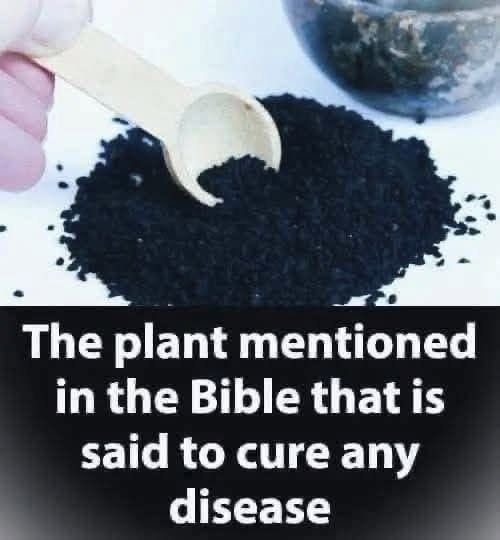
The plant you are referring to is Nigella sativa, most commonly known as Black Seed (or Black Cumin, Habbat al-Barakah in Arabic, or Kalonji in South Asia).
Religious Context
In Islamic tradition, the Prophet Muhammad emphasized the remarkable healing properties of this plant. A famous narration recorded in Sahih al-Bukhari and Sahih Muslim states:
“Use this black seed, for indeed it contains a cure for every disease except death.”
What Science & Modern Medicine Say
While no single herb can literally cure every medical condition, modern scientific research on Nigella sativa reveals why it has been revered in traditional medicine for thousands of years:
-
Thymoquinone (TQ): The primary active compound in black seed oil, thymoquinone possesses potent anti-inflammatory, antioxidant, and antimicrobial properties.
-
Immune System Support: Studies suggest black seed helps modulate the immune response, offering supportive benefits for conditions involving chronic inflammation.
-
Metabolic & Cardiovascular Health: Clinical trials have shown modest benefits in improving blood sugar regulation, supporting healthy lipid profiles (cholesterol), and managing blood pressure.
-
Respiratory Support: It has historically been used to ease symptoms of asthma, bronchitis, and seasonal allergies due to its bronchodilatory effects.
Other Notable Healing Plants Mentioned in Religious Texts
While Black Seed is uniquely associated with the “cure for all diseases except death” tradition, several other holy texts mention plants with profound healing reputations:
-
The Olive / Olive Oil (Quran & Bible): Described as originating from a “blessed tree,” valued for cardiovascular health, skin nourishment, and anti-inflammatory properties.
-
Frankincense & Myrrh (Bible & Torah): Used historically in poultices and oils for their strong antimicrobial, anti-inflammatory, and wound-healing traits.
-
Balm of Gilead (Hebrew Bible): A prized medicinal resin referenced as a universal symbol of healing and relief from suffering.
