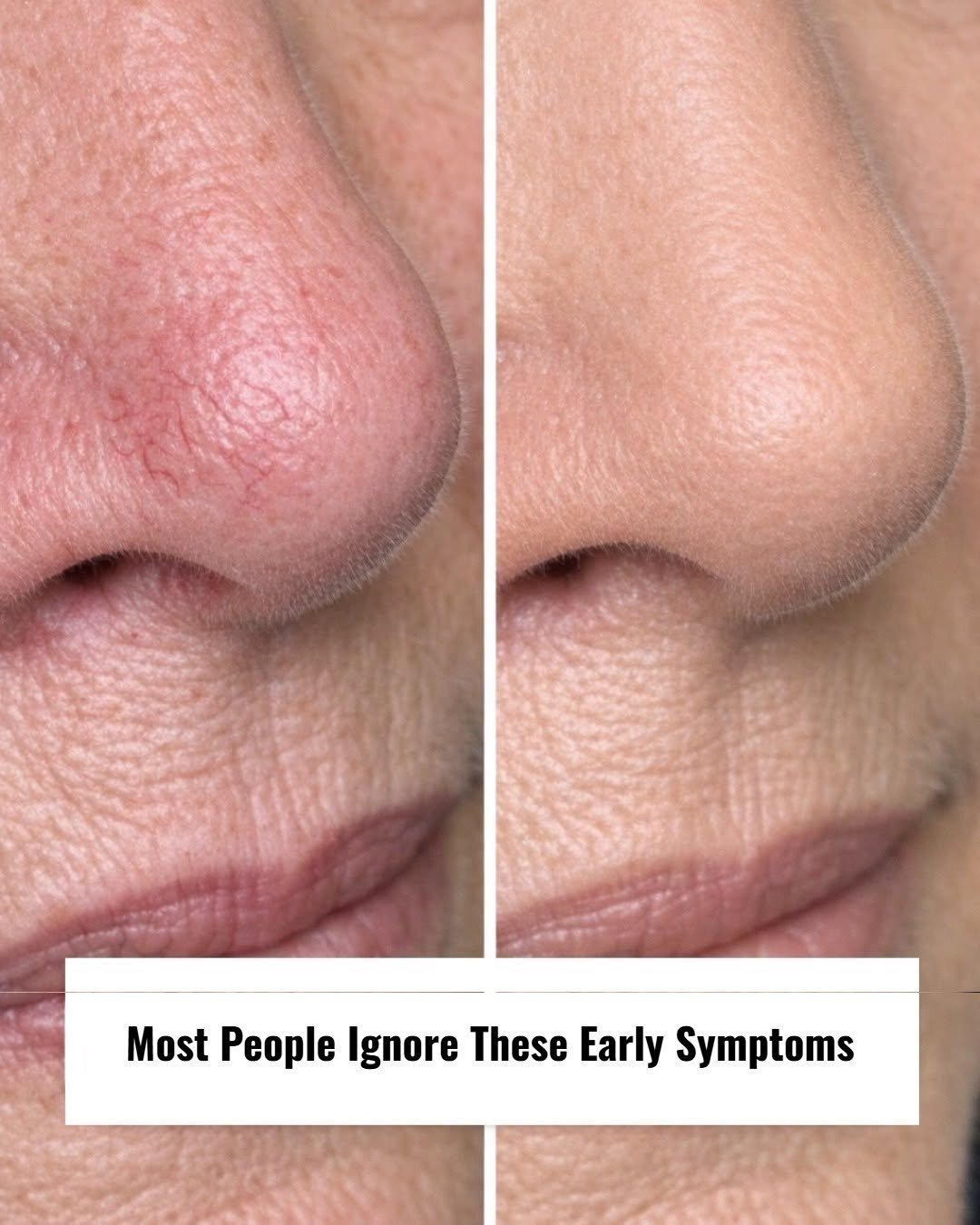
When clickbait headlines trail off with “These are the first symptoms of a…“, they often try to trigger anxiety about major medical events like a heart attack, stroke, or severe illness. While recognizing early warning signs is vital for health and safety, clinical experts emphasize looking past sensationalized lists and focusing on clear, medically established red flags.
Key Symptoms That Require Immediate Attention
Depending on the underlying condition being discussed, certain signals should never be ignored:
1. Cardiovascular Emergencies (Heart Attack or Stroke)
-
What to Watch For: Sudden, crushing chest pressure or tightness; pain radiating into the jaw, neck, back, or left arm; sudden shortness of breath; cold sweats; or sudden numbness, confusion, and facial drooping (the FAST signs of a stroke).
-
The Action: Call emergency services (911) immediately. Do not wait to see if symptoms pass.
2. Vision Disruptions (Retinal Issues)
-
What to Watch For: A sudden shower of new floaters, bright flashes of light in your peripheral vision, or a dark shadow/curtain moving across your visual field.
-
The Action: Contact an optometrist or ophthalmologist immediately for an urgent dilated eye exam.
3. Metabolic or Chronic Fatigue
-
What to Watch For: Persistent, unexplainable fatigue, chronic digestive changes, or unmanaged blood pressure elevations.
-
The Action: Schedule a comprehensive check-up with your primary care physician to review routine blood work, medication management, and lifestyle factors.
Focusing on Proactive Health Maintenance
Rather than trying to self-diagnose from vague internet teasers, the most effective strategy for longevity is maintaining regular preventative screenings, keeping blood pressure within optimal ranges (<120/80 mmHg), prioritizing heart-healthy whole foods, and staying in close communication with your healthcare team.
Are you looking into the early signs of a specific health condition, or focusing on general preventative wellness?
