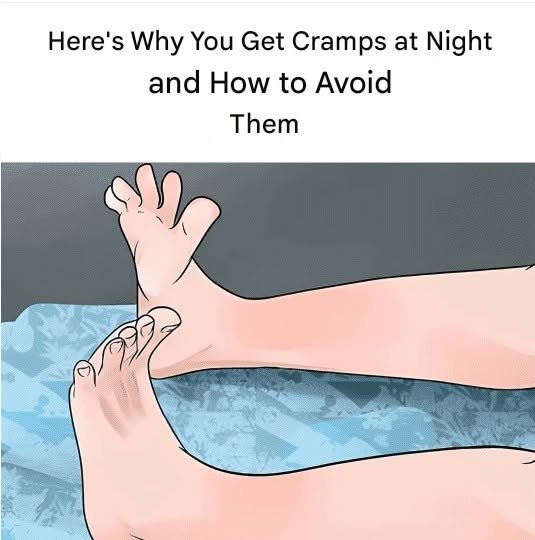
Nocturnal leg cramps—sudden, involuntary contractions of muscles in the calves, feet, or thighs during sleep—affect up to 60% of adults. While usually benign, they stem from specific mechanical, metabolic, and neurological triggers.
Primary Drivers of Nighttime Cramps
1. Nerve Hyperactivity & Muscle Fatigue
During sleep, the foot rests in a passive downward position (plantarflexion), shortening the calf muscle. If the lower motor neurons are overstimulated from daytime physical stress or prolonged sitting, this shortened state triggers an involuntary spinal reflex arc, forcing the muscle into a full, locked contraction.
2. Tendon Shortening (Structural Aging)
As part of the natural aging process, tendons connecting muscle to bone lose flexibility and contract. This age-related structural shortening makes structural spasms significantly more common in adults over 50.
3. Electrolyte & Fluid Imbalances
Muscular contraction and relaxation rely on a balance of sodium, potassium, calcium, and magnesium.
-
Dehydration reduces intracellular fluid levels, disrupting signal transmission across muscle membranes.
-
Magnesium deficiency impairs the cellular pump responsible for pumping calcium out of muscle cells, preventing the muscle fiber from relaxing after a contraction.
4. Prolonged Static Postures
-
Sedentary Habits: Sitting for extended periods without stretching causes calf and hamstring muscles to tighten.
-
Concrete Surfaces: Working long hours on hard floors accelerates lower-limb muscular fatigue.
5. Vascular & Neurological Conditions
Poor peripheral circulation, peripheral neuropathy (common in diabetes), lumbar spine stenosis, and thyroid dysfunction can alter local nutrient delivery and nerve signaling to lower extremities.
Comparison of Nighttime Leg Discomfort
| Feature | Nocturnal Leg Cramp | Restless Legs Syndrome (RLS) |
| Primary Sensation | Intense, painful muscular contraction/knotting | Uncomfortable pulling, crawling, or tingling sensation |
| Physical Appearance | Visibly hardened, tight muscle mass | No visible muscle contraction |
| Relief Mechanism | Physical stretching and firm massage | Voluntary movement (walking around, pacing) |
| Lingering Effect | Soreness often persists the next day | Resolves immediately once movement stops |
Nighttime Prevention & Relief Protocol
-
Active Calf Stretching Before Bed: Stand facing a wall, extend one leg backward with the heel flat on the floor, and lean forward for 30 seconds per side to elongate the tendon before sleeping.
-
Optimize Sleep Posture: Keep bedsheets loose at the foot of the bed so your feet are not forced into a pointed, downward position overnight.
-
Immediate Relief Technique: If a calf cramp strikes, sit up, extend your leg straight out, and pull your toes firmly upward toward your shin to force the muscle to lengthen.
-
Targeted Hydration & Minerals: Ensure adequate daily fluid intake and consider an evening dose of magnesium glycinate ($200\text{–}400\text{ mg}$) to support muscle relaxation.
