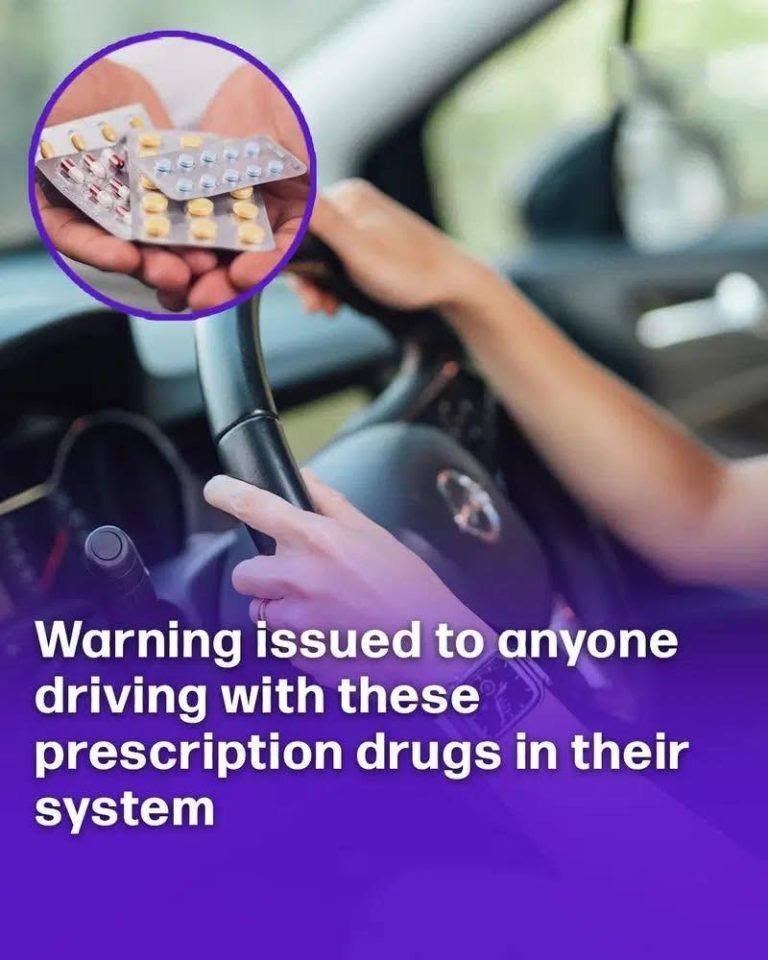
When sensationalized news or clickbait screams headlines like “It’s actually illegal to be driving with these prescription drugs in your system after ban warning issued,” they are deliberately weaponizing ambiguity. By flashing vague warnings about legal consequences and “drug bans,” these sensational posts aim to terrify anyone who takes common daily medications—from blood pressure pills to anxiety management or pain relievers—into thinking they are unknowingly committing a crime behind the wheel.
From a clinical pharmacology and legal perspective, the reality is far more grounded. While driving under the influence of medications that cause sedation or impair cognitive reaction time is indeed illegal (known legally as Driving Under the Influence of Drugs, or DUID), law enforcement and medical regulators distinguish sharply between misused substances/impairment and responsibly managed, prescribed therapeutic regimens.
The Reality Behind Prescription Drugs and Driving Laws
Why do these regulatory warnings get published, and what do they actually mean for everyday drivers?
-
Impairment vs. Presence: Legal frameworks regarding driving focus on functional impairment rather than the mere chemical presence of a prescribed drug in your bloodstream. However, certain jurisdictions (particularly in the UK and parts of Europe/Australia) have specific “zero-tolerance” or specified-limit laws for certain controlled substances, such as specific sedatives, opioids, or strong medical cannabis, where exceeding a strict legal blood limit is an offense regardless of perceived tolerance.
-
The Culprits That Actually Affect Driving: Medications that pose real safety concerns behind the wheel are those that impact the central nervous system (CNS). These include:
-
Benzodiazepines & Sedatives: Prescribed for anxiety or sleep (e.g., diazepam, lorazepam).
-
Opioid Pain Relievers: Used for chronic or acute pain management (e.g., oxycodone, tramadol).
-
Certain Antidepressants & Antihistamines: Particularly older tricyclic antidepressants or first-generation antihistamines that cause significant drowsiness.
-
-
The Role of Physician Warnings: When a new medication is prescribed or a dose is increased, pharmacists and doctors routinely place warning stickers on prescription bottles (e.g., “Do not operate heavy machinery or drive until you know how this affects you”). These warnings are your primary clinical guide.
Evidence-Based Ways to Ensure Safe Driving While on Medication
If you take regular prescription medications and want to ensure you are safe, legal, and confident behind the wheel, clinical guidelines recommend proactive measures:
-
Consult Your Doctor or Pharmacist: Ask directly: “Does this specific medication, at my current dose, affect my reaction time or alertness for driving?”
-
Assess Your Personal Response: When starting a new medication or changing a dose, give yourself time at home to see how your body responds before getting behind the wheel. If you feel drowsy, dizzy, or cognitively sluggish, do not drive.
-
Keep Medications in Their Proper Containers: If you travel, keep your prescription medications in their original, labeled pharmacy bottles. This provides clear proof that the medication is legally prescribed to you under a doctor’s care.
-
Never Abruptly Stop Necessary Meds Out of Fear: If an alarmist headline makes you worry about a medication you need for your health, do not stop taking it. Talk to your healthcare provider to review safer alternatives or timing adjustments (such as taking a sedating medication strictly at bedtime).
