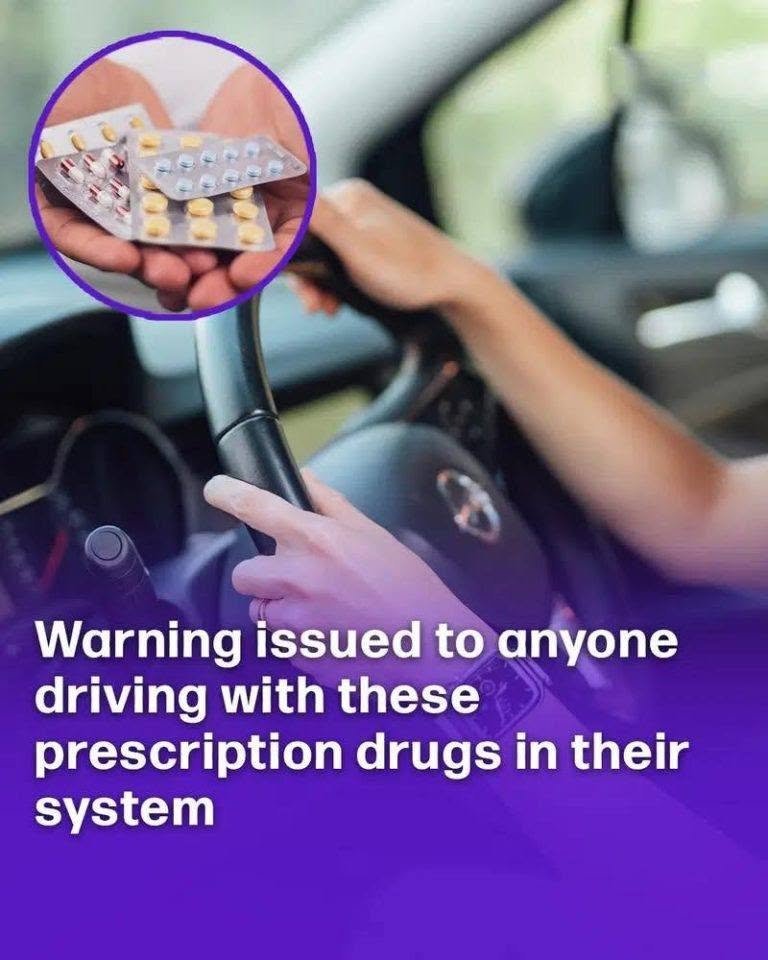
This legal warning highlights a strict rule that surprises many drivers: it is illegal in many jurisdictions (such as the UK under drug-driving laws) to drive with certain prescription medications in your blood above specific limits, or whenever a medication impairs your driving.
If you are caught driving while impaired by a prescribed drug—or if you take an unprescribed medication that exceeds legal thresholds—you can face a minimum 1-year driving ban, unlimited fines, points, a criminal record, or even imprisonment.
Medications Subject to Drug-Driving Regulations
Road traffic laws typically restrict or set strict blood limits for strong prescription medicines, particularly those with sedative, pain-relieving, or anti-anxiety effects:
-
Opioid Painkillers: Morphine, codeine, tramadol, methadone, and fentanyl.
-
Benzodiazepines & Sedatives: Diazepam, lorazepam, temazepam, oxazepam, and clonazepam.
-
ADHD & Stimulant Medications: Amphetamines (such as dexamphetamine or selegiline).
-
Sleeping Aids & Strong Muscle Relaxants: Z-drugs (zolpidem, zopiclone).
How to Stay Safe (and Legal)
If you are prescribed any of these medications, you are legally protected from automated threshold convictions only if:
-
The medication was legally prescribed to you by a healthcare professional.
-
You take it strictly according to the dosage and timing instructions provided by your doctor or pharmacist.
-
The drug does not impair your ability to drive.
Important Rule: Having a valid prescription is not a free pass. If a prescribed medication makes you feel drowsy, dizzy, slow to react, or groggy, you are legally considered unfit to drive and can still be arrested and banned.
Always read the safety leaflet, consult your pharmacist or physician when starting a new dosage, and never get behind the wheel if you feel any side effects that could slow your reaction time.
