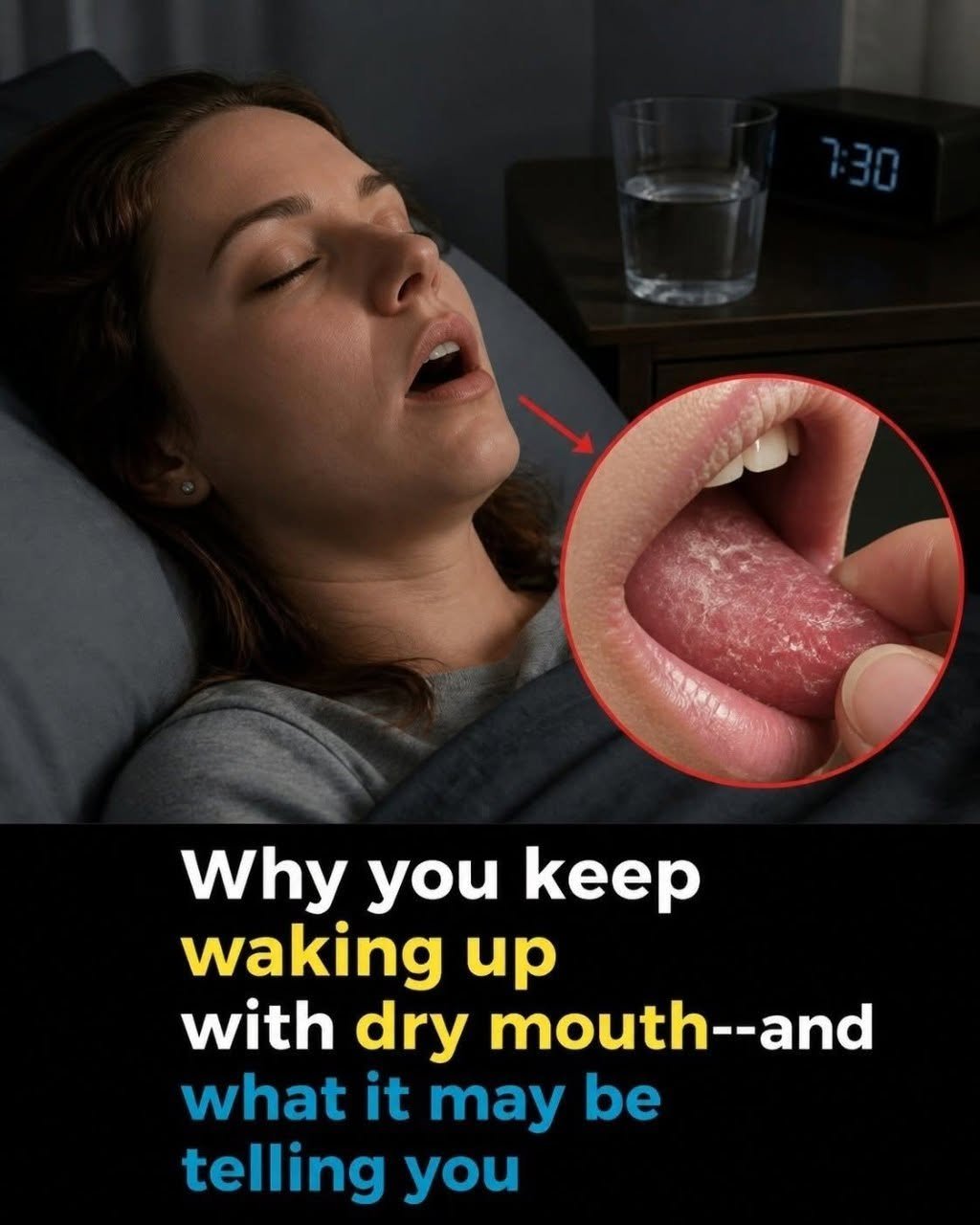
When wellness articles and sensationalized health blogs warn about morning symptoms like “waking up with dry mouth,” they often jump straight to worst-case scenarios.
Medically known as xerostomia, waking up with a parched, sticky mouth is a very common morning occurrence. While it is occasionally a sign of an underlying medical condition or medication side effect, it most often comes down to simple nighttime habits.
Let’s examine the clinical reality behind morning dry mouth, separating harmless lifestyle factors from true signs that require a discussion with your doctor or dentist.
Why Does Your Mouth Dry Out Overnight?
Salivary gland production naturally slows down while you sleep, which is why almost everyone experiences a mild reduction in saliva overnight. However, when saliva flow drops too low or evaporates completely, you wake up feeling like your tongue is stuck to the roof of your mouth.
5 Common Reasons You Wake Up With Dry Mouth
1. Mouth Breathing During Sleep
-
The Clinical Reality: This is the #1 cause of morning dry mouth. If you have a stuffy nose from allergies, a deviated septum, or sleep apnea, you naturally breathe through your mouth all night. The continuous airflow evaporates the thin layer of saliva coating your oral cavity, leaving your tissues completely dry.
2. Medication Side Effects
-
The Reality: Hundreds of prescription and over-the-counter medications list dry mouth as a primary side effect. This includes many blood pressure medications (like diuretics and beta-blockers), antihistamines, decongestants, antidepressants, and anxiety medications.
3. Dehydration
-
The Reality: If your overall daily fluid intake is low, or if you drank alcohol or caffeinated beverages close to bedtime, your body’s total water volume decreases. Saliva is roughly 99% water, so when you are dehydrated, your salivary glands simply do not have the raw materials to produce adequate moisture.
4. Natural Aging and Salivary Gland Changes
-
The Reality: As people age, the composition and output of saliva can naturally shift. While aging itself doesn’t automatically cause dry mouth, older adults are much more likely to take multiple medications that contribute to it.
5. Obstructive Sleep Apnea (OSA)
-
The Reality: Sleep apnea causes repeated interruptions in breathing throughout the night, forcing individuals to gasp or breathe heavily through their mouths. Waking up with a severely dry mouth, coupled with morning headaches or excessive daytime fatigue, can sometimes be an early clinical clue pointing toward sleep-disordered breathing.
Why Saliva Matters (And Why Chronic Dry Mouth Needs Attention)
Saliva is far more than just moisture—it is a vital protective fluid for your entire upper digestive tract. Saliva:
-
Neutralizes acids produced by bacteria.
-
Washes away food particles and prevents tooth decay.
-
Contains antibodies and enzymes that fight oral infections.
-
Lubricates your throat to make swallowing and speaking comfortable.
When chronic dry mouth goes unaddressed, it significantly increases your risk of dental cavities, gum disease, oral fungal infections (like thrush), and chronic sore throats.
Practical Ways to Find Relief
If you frequently wake up parched, simple adjustments can make a noticeable difference:
-
Hydrate Consistently: Sip water throughout the day rather than trying to chug a massive glass right before bed (which will only interrupt your sleep with bathroom trips).
-
Use a Bedside Humidifier: Adding moisture to the air in your bedroom prevents the ambient air from drying out your nasal passages and oral tissues while you sleep.
-
Breathe Through Your Nose: Address nighttime nasal congestion with saline rinses, allergy management, or strips if appropriate.
-
Practice Good Oral Hygiene: Brush with a fluoride toothpaste and use an alcohol-free, moisturizing mouthwash designed for dry mouth to protect your tooth enamel.
-
Review Your Medications: If you suspect a prescription medication is the culprit, talk to your doctor. They may be able to adjust the dosage or switch you to an alternative that doesn’t dry out your salivary glands.
