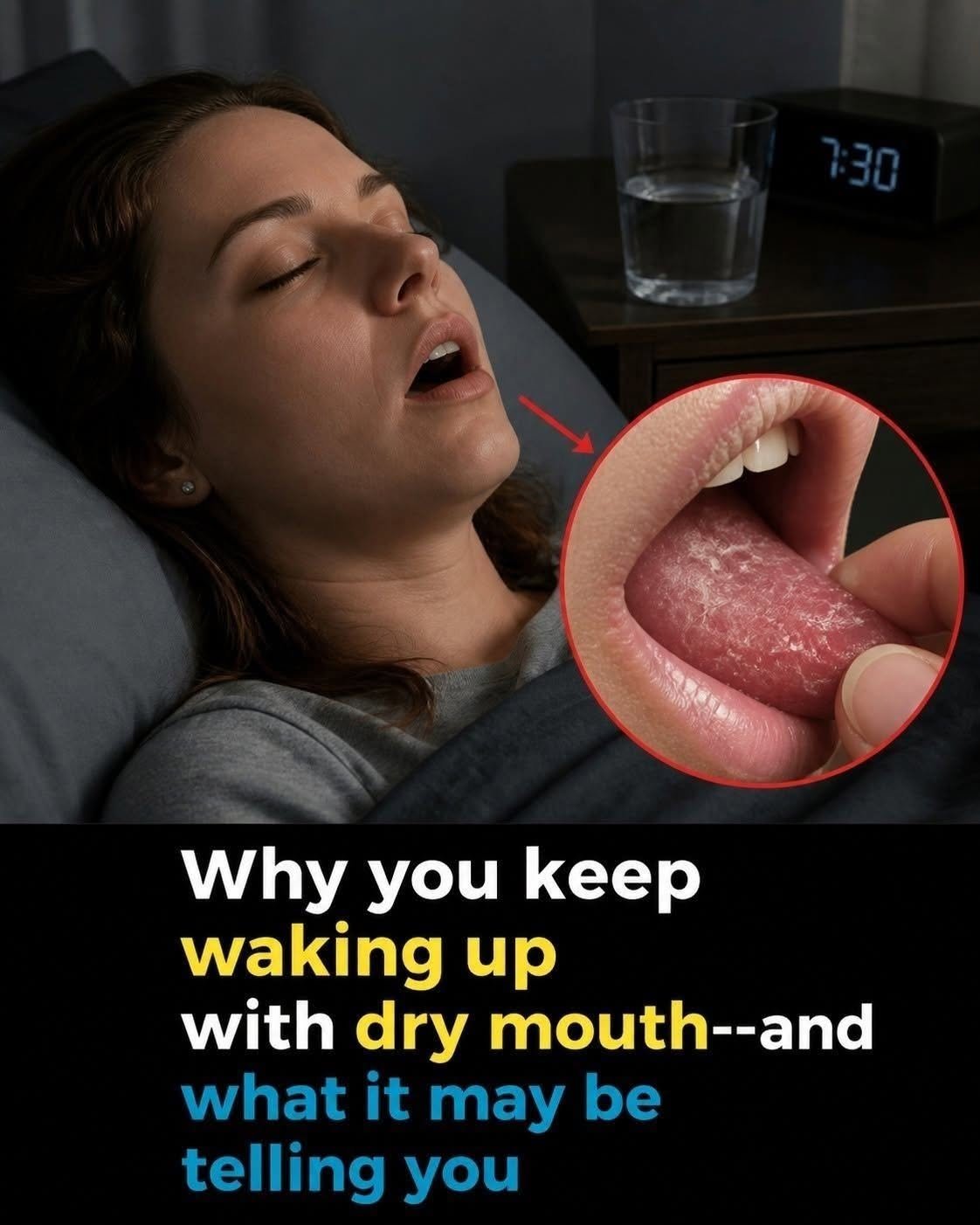
Waking up with a parched, sticky tongue, a dry throat, or difficulty swallowing upon waking is a very common experience. While it is easy to brush off morning dry mouth (xerostomia) as simply needing a glass of water, persistent dry mouth occurs when your salivary glands aren’t producing enough saliva during sleep.
Saliva plays a crucial role in clearing bacteria, protecting enamel from decay, and lubricating your throat. When morning dryness becomes a regular pattern, your body is often flagging one of these underlying triggers:
What Morning Dry Mouth May Be Telling You
1. Mouth Breathing and Nasal Obstruction
-
What’s Happening: If your nasal passages are blocked by seasonal allergies, a deviated septum, chronic sinusitis, or enlarged tonsils, your body naturally switches to mouth breathing while you sleep.
-
The Result: Continuous airflow through the mouth evaporates moisture and rapidly dries out oral tissues, leaving your mouth completely parched by morning.
2. Sleep Apnea or Chronic Snoring
-
What’s Happening: Obstructive Sleep Apnea (OSA) occurs when upper airway tissues repeatedly collapse during sleep, leading to loud snoring, gasping, and heavy mouth breathing.
-
The Result: Chronic morning dry mouth—especially when accompanied by morning headaches, daytime fatigue, or waking up gasping—is one of the most reliable warning signs of untreated sleep apnea.
3. Dehydration
-
What’s Happening: If you aren’t consuming enough water throughout the day, or if you lost fluids through intense exercise, warm sleeping environments, high alcohol intake, or excessive caffeine before bed, your body conserves water.
-
The Result: Your salivary glands scale back saliva production overnight to prioritize core hydration.
4. Prescription & Over-the-Counter Medications
-
What’s Happening: Hundreds of common medications list dry mouth as a primary side effect.
-
Common Culprits Include:
-
Antihistamines and decongestants
-
High blood pressure medications (especially diuretics and beta-blockers)
-
Antidepressants, anti-anxiety drugs, and sedative sleep aids
-
Muscle relaxants and asthma inhalers
-
5. Silent Acid Reflux (LPR or GERD)
-
What’s Happening: When stomach acid flows up into the esophagus and throat during the night, it causes subtle irritation to the mucosa and throat lining.
-
The Result: Acid exposure triggers localized tissue inflammation and signals your throat to dry out or produce thick, sticky mucus to protect itself.
6. Autoimmune Conditions & Chronic Health Conditions
-
Sjögren’s Syndrome: An autoimmune disorder where the immune system mistakenly attacks moisture-producing glands, primarily causing severe dry mouth and dry eyes.
-
Diabetes: Elevated blood sugar levels (hyperglycemia) can draw water away from tissues, reducing overall saliva flow.
-
Nerve Damage: Head or neck nerve injuries can impair signals sent to the salivary glands.
How to Relieve and Prevent Morning Dry Mouth
-
Hydrate Consistently: Aim for steady fluid intake throughout the day rather than chugging water right before bed. Keep a glass of water by your nightstand for midnight sips.
-
Address Nasal Congestion: Use a saline nasal spray or neti pot before bed to clear airway passages and encourage natural nose breathing.
-
Run a Cool-Mist Humidifier: Adding ambient humidity to your bedroom prevents ambient dry air from stripping moisture from your lips, nose, and throat overnight.
-
Use Xylitol-Based Oral Care Products: Look for xylitol-containing mouth rinses, lozenges, or dry-mouth sprays designed for bedtime use. Xylitol stimulates natural saliva flow and resists decay-causing bacteria.
-
Limit Evening Triggers: Reduce caffeine, alcohol, salty foods, and tobacco use in the late afternoon and evening, as all of these dehydrate mouth tissues.
-
Practice Good Oral Hygiene: Brush and floss thoroughly before bed, as leftover food particles encourage bacterial growth that thrives in dry environments.
When to Consult a Doctor or Dentist
If morning dry mouth is persistent, causes cracking at the corners of your mouth, makes eating or speaking uncomfortable, or is accompanied by loud snoring and daytime exhaustion, consult a healthcare provider. A doctor can evaluate you for sleep apnea, review your medication profile, or run blood panels to check for underlying autoimmune or metabolic conditions.
