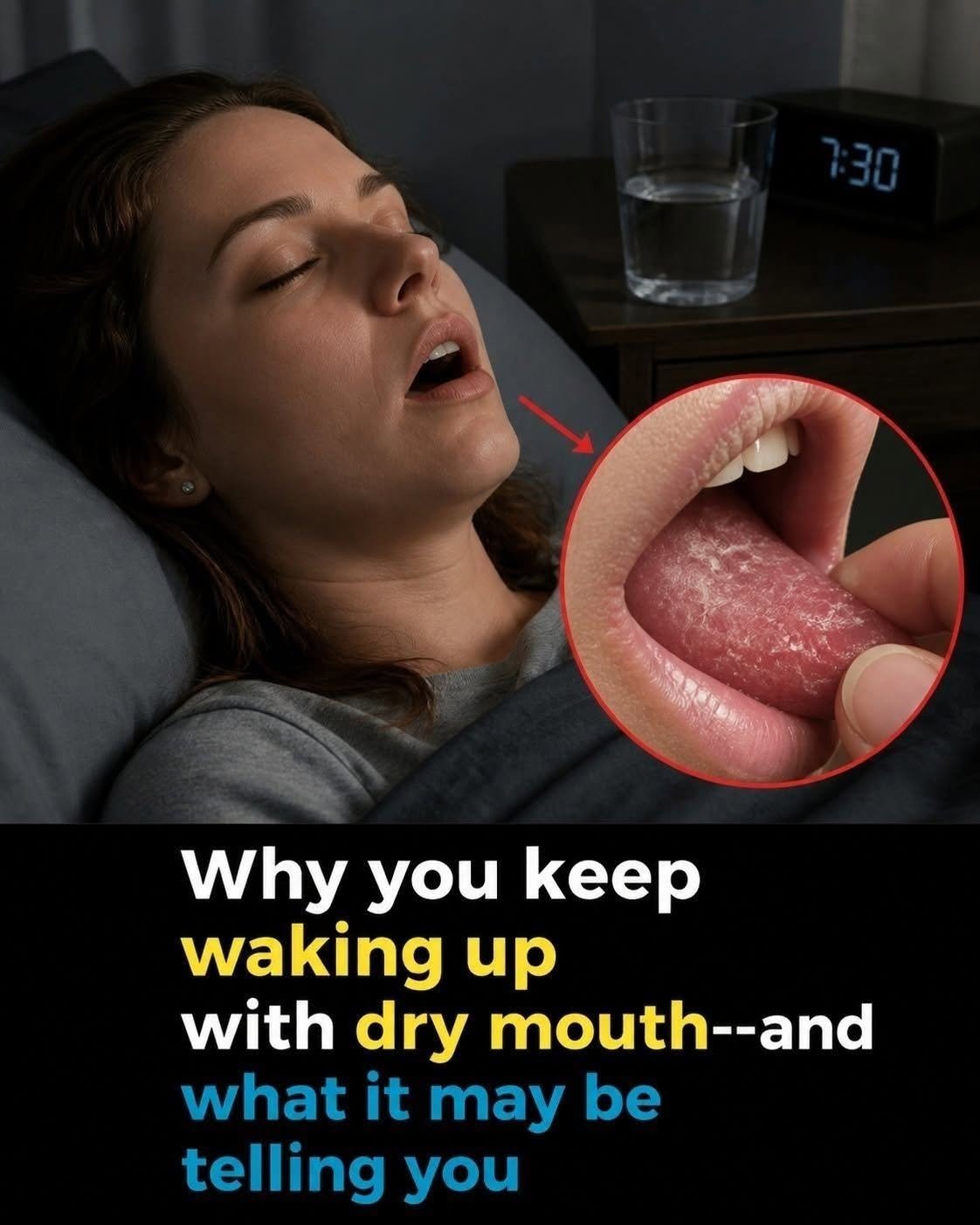
Waking up with a parched, sticky mouth and a dry throat is an uncomfortable way to start the morning. While it is easy to brush it off as simply sleeping with your mouth open, persistent morning dry mouth (medically known as xerostomia) can sometimes be your body’s way of signaling underlying health habits, environmental factors, or medical issues.
Here is what your body might be trying to tell you when you wake up with a dry mouth:
1. You Are Breathing Through Your Mouth at Night
-
The Signal: If your nasal passages are blocked—due to allergies, a deviated septum, nasal polyps, or chronic sinus congestion—your body naturally switches to mouth breathing while you sleep.
-
Why it happens: As air constantly flows over your oral tissues all night, it rapidly evaporates the saliva in your mouth, leaving you parched by morning.
2. Medication Side Effects
-
The Signal: If you recently started a new prescription, check the side-effect label. Hundreds of common medications—including antihistamines, decongestants, high blood pressure drugs (like diuretics and calcium channel blockers), and antidepressants—reduce salivary gland output.
-
Why it happens: These drugs interfere with the nervous system signals that tell your salivary glands to produce moisture.
3. Mild Dehydration or Evening Habits
-
The Signal: Your body may simply be running low on fluids, or your evening routine is working against you.
-
Why it happens: Drinking alcohol, consuming caffeinated beverages, or eating a very salty meal close to bedtime can dehydrate your system and suppress saliva production overnight. Additionally, if you don’t drink enough water throughout the day, your salivary glands won’t have the resources to keep your mouth lubricated while you sleep.
4. Natural Aging and Decreased Saliva Flow
-
The Signal: As we get older, our bodies naturally undergo physiological changes that can reduce the volume of saliva produced by the salivary glands. While aging alone doesn’t automatically cause severe dry mouth, older adults are also much more likely to take multiple medications that compound the effect.
5. Blood Sugar Imbalances (Potential Sign of Diabetes)
-
The Signal: Unchecked or elevated blood sugar levels can frequently manifest as chronic thirst and a persistently dry mouth.
-
Why it happens: When blood glucose is high, your body pulls water from your tissues to produce more urine, leading to systemic dehydration. Furthermore, high blood sugar levels can directly affect the health and moisture output of your salivary glands.
6. Sleep Apnea
-
The Signal: Obstructive Sleep Apnea (OSA)—a condition where your airway repeatedly collapses during sleep—is strongly linked to severe morning dry mouth.
-
Why it happens: OSA forces heavy mouth breathing, and the frequent gasping or micro-awakenings throughout the night severely dry out oral tissues. (If dry mouth is accompanied by loud snoring, morning headaches, and extreme daytime fatigue, sleep apnea is a major suspect).
Simple Ways to Find Relief
-
Hydrate Consistently: Sip water throughout the day, and keep a glass of water on your bedside table to take small sips if you wake up dry during the night.
-
Run a Humidifier: Placing a cool-mist humidifier in your bedroom adds moisture back into the air, preventing your nasal and oral passages from drying out while you sleep.
-
Biphasic Nasal Care: If congestion is the culprit, try saline nasal sprays or breathing strips before bed to encourage comfortable nose breathing.
-
Protect Your Teeth: Saliva plays a vital role in washing away bacteria and protecting your enamel. Because a chronically dry mouth increases your risk of cavities and gum disease, practicing diligent oral hygiene—and discussing the issue with your dentist—is essential.
When to Consult a Doctor
If morning dry mouth is an isolated incident after a salty meal or a stuffy nose, it’s usually nothing to worry about. However, you should consult a doctor if the dryness is persistent, interferes with your ability to swallow or speak, or is accompanied by other symptoms like chronic fatigue, frequent nighttime urination, or unrefreshing sleep.
Are you experiencing any other symptoms like nighttime congestion or snoring alongside your morning dry mouth?
