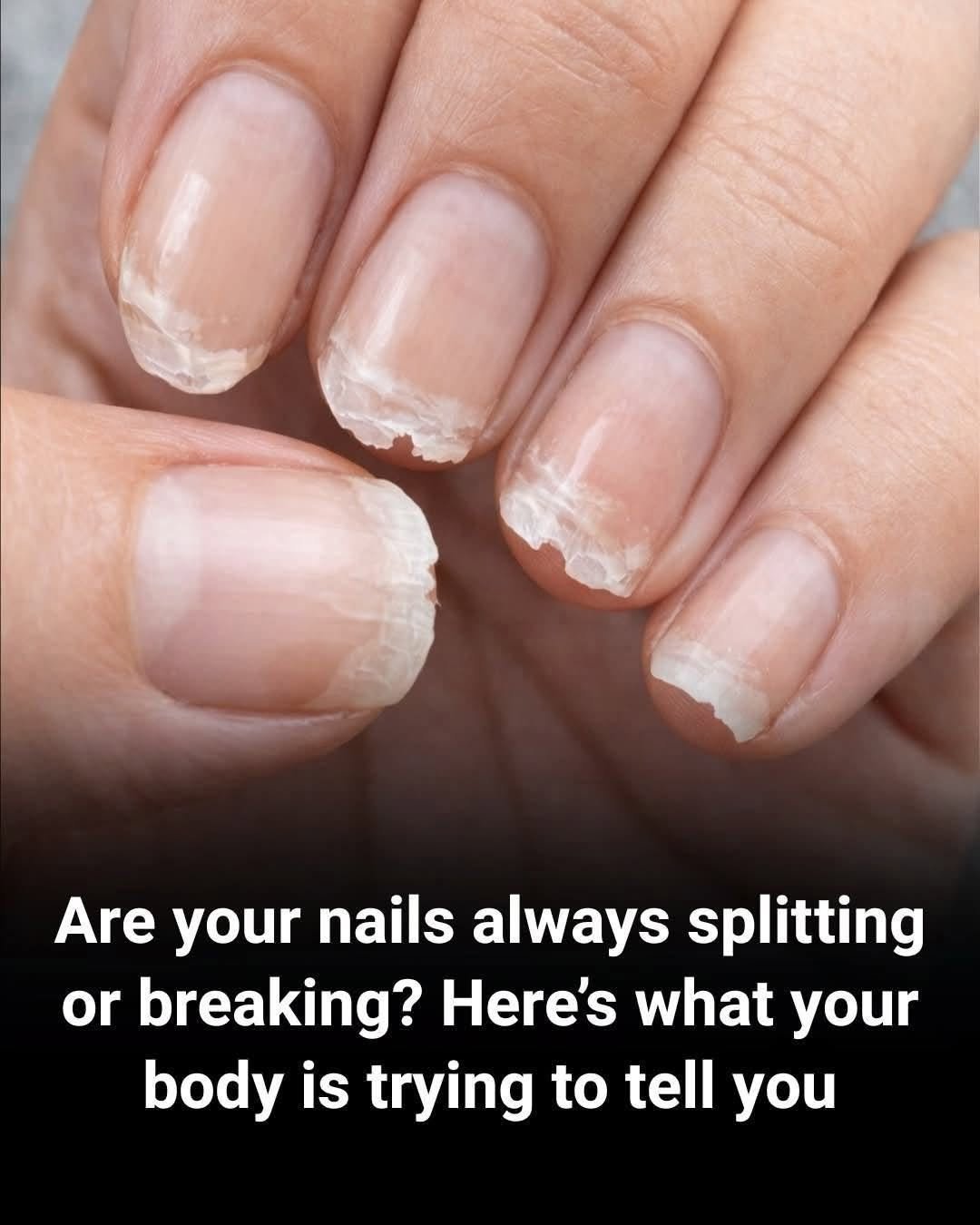
Your fingernails and toenails are more than just a canvas for a manicure—they are living tissues that reflect your internal nutritional status, circulation, and overall systemic health. When your nails become weak, splitting, peeling, or excessively brittle, your body is often sending you a signal that something is out of balance.
Here is what weak or brittle nails can reveal about your health, broken down by internal and external causes:
1. Nutritional Deficiencies
Nail growth requires a steady supply of building blocks. If your diet lacks certain key micronutrients, the keratin matrix of your nails suffers.
-
Iron Deficiency (Anemia): Low iron reduces the oxygen-carrying capacity of your blood. Severe iron deficiency can cause koilonychia—where the nails become thin, brittle, and concave (spoon-shaped).
-
Biotin (Vitamin B7) Shortage: Biotin plays a vital role in producing keratin, the protein that structuralizes nails, hair, and skin. A deficiency can lead to soft, easily splitting nails.
-
Zinc and Protein Deprivation: Zinc is essential for cell division and tissue growth, including the nail bed. Inadequate protein or zinc intake often leads to slowed growth and white spots or transverse lines (Beau’s lines) on the nails.
-
Essential Fatty Acids & Hydration: Just like skin, nails need moisture and healthy fats to maintain flexibility. Extreme low-fat diets can leave nails dry and brittle.
2. Underlying Medical and Systemic Conditions
Sometimes, brittle nails point to an internal condition that requires medical evaluation:
-
Thyroid Disorders: Both hypothyroidism (underactive thyroid) and hyperthyroidism (overactive thyroid) slow down metabolic processes, altering skin and nail cell turnover. This often results in dry, brittle, slow-growing nails that easily crack or separate.
-
Raynaud’s Disease: This condition causes restricted blood flow to the extremities (fingers and toes) in response to cold or stress. Poor microcirculation starves the nail matrix of necessary nutrients and oxygen.
-
Psoriasis or Eczema: Psoriasis frequently manifests on the hands and nails, causing characteristic nail pitting, oil-drop discoloration, and separation of the nail from the nail bed (onycholysis), which weakens the entire structure.
-
Chronic Kidney or Liver Disease: Altered filtration and waste clearance can change the chemical composition of bodily fluids, impacting nail growth and causing structural changes (such as “half-and-half” nails).
3. External and Environmental Culprits
Not all nail weakness is internal. In fact, most everyday brittleness is caused by external trauma and chemical exposure:
-
The Wet-Dry Cycle: Repeatedly soaking your hands in water (frequent hand washing, dishwashing without gloves) and letting them dry causes the nail plate to swell and contract. This breaks down the cellular bonds holding the nail layers together, leading to peeling and splitting.
-
Harsh Chemicals: Frequent exposure to harsh cleaning detergents, acetone-based nail polish removers, and low-quality nail polishes strips the natural oils and moisture right out of the nail plate.
-
Aggressive Manicures: Improper removal of gel or acrylic nails—such as scraping or peeling them off—rips away the top layers of your natural nail plate, leaving it paper-thin and fragile.
What You Can Do to Restore Nail Strength
-
Protect Your Hands: Wear rubber or silicone gloves whenever you wash dishes, clean with chemical agents, or garden.
-
Intensify Moisture: Apply a thick hand cream or cuticle oil containing vitamin E, shea butter, or jojoba oil to your nails and cuticles multiple times a day—especially immediately after washing your hands.
-
File in One Direction: Avoid sawing back and forth with an emery board, which creates micro-tears at the edges of the nail. File gently in a single direction using a fine-grit glass file.
-
Support from Within: Ensure your diet includes adequate lean proteins, leafy greens, nuts, seeds, and healthy fats. (Consult a physician before starting a targeted supplement like biotin to rule out an underlying deficiency).
When to See a Doctor
If your brittle nails are accompanied by other symptoms—such as chronic fatigue, unexplained weight changes, hair loss, severe cold intolerance, or changes in nail color (such as dark streaks or severe yellowing)—schedule an evaluation with your healthcare provider or a dermatologist to check for underlying systemic issues.
