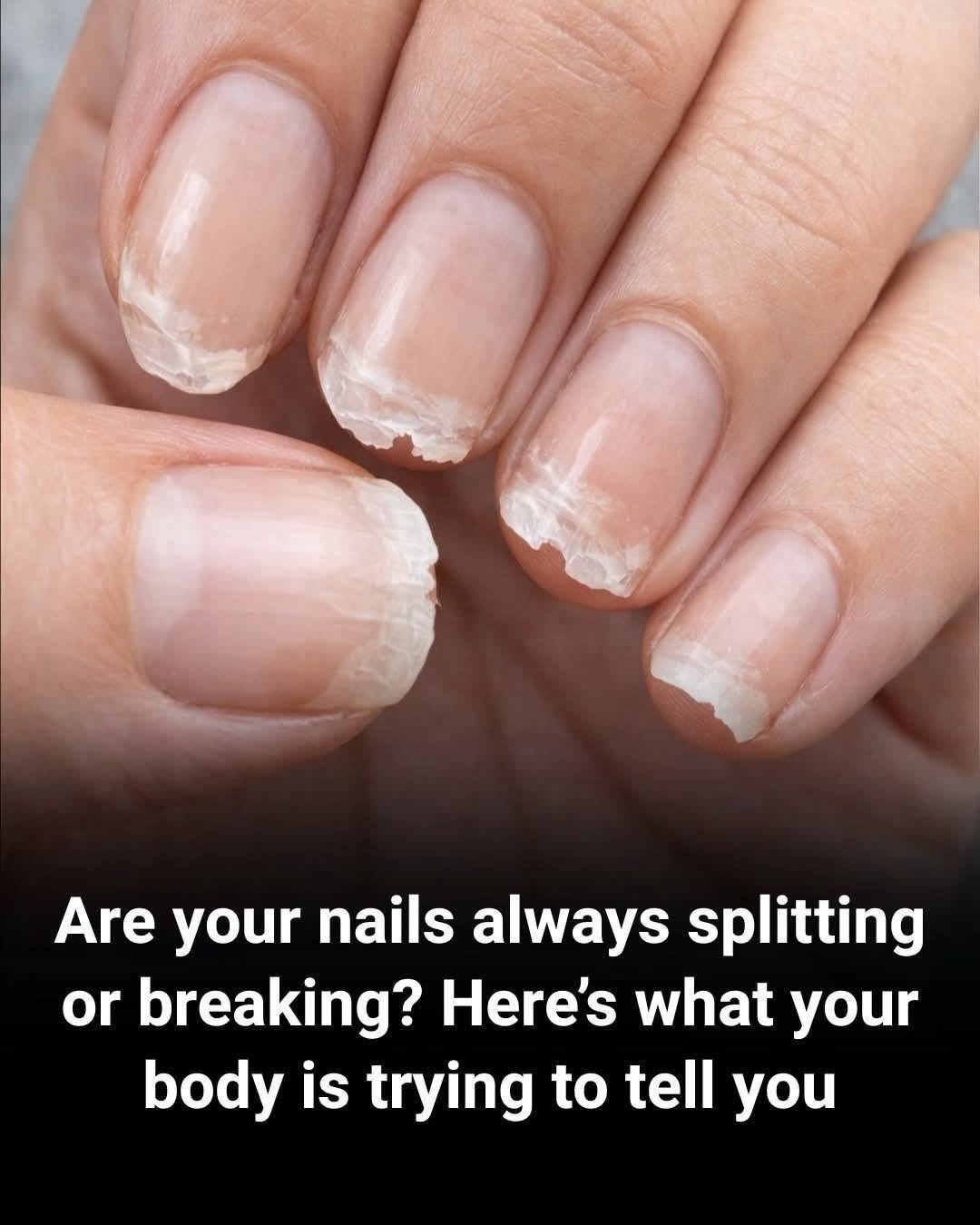
Weak, splitting, peeling, or chronically breaking nails are rarely just a cosmetic issue—they serve as a helpful external window into your internal nutritional status, hydration, circulation, or systemic health.
When your nails lose their strength and flexibility, your body is often signaling specific internal deficiencies or daily stressors. Here is what chronic nail weakness may be telling you:
1. Key Nutritional Deficiencies
-
Biotin (Vitamin B7): One of the primary nutrients needed for nail structural integrity. Biotin supports the production of keratin, the fibrous protein that forms your hair and nails. Low levels often lead to fragile, easily splitting nail plates.
-
Iron & Ferritin: Oxygen is delivered to the nail matrix via iron-rich red blood cells. Low iron (iron deficiency anemia) can cause nails to become thin, brittle, or develop vertical ridges. In severe cases, nails can become concave or spoon-shaped (koilonychia).
-
Zinc: Crucial for cell division and protein synthesis. A lack of zinc manifests as slow nail growth, weak structures, and small white spots or horizontal lines across the nail bed.
-
Protein: Because nails are composed almost entirely of hardened keratin protein, a diet chronically low in high-quality protein starves your body of the building blocks needed to grow resilient nails.
-
Omega-3 Fatty Acids: Essential fatty acids help lubricate and seal moisture inside the nail matrix. A lack of healthy fats leaves nails dry, rigid, and prone to snapping.
2. Systemic & Hormonal Factors
-
Thyroid Imbalances (Hypothyroidism): An underactive thyroid gland slows your overall metabolic rate and cellular turnover. This frequently results in dry, brittle, slow-growing nails that peel or split near the tips.
-
Dehydration: Nails require a natural water content of about 18% to remain flexible and absorb daily physical stress. Chronic dehydration makes nail tissue rigid and easily shatterable.
-
Poor Peripheral Circulation: Reduced blood flow to your fingers limits the delivery of vital oxygen and nutrients to the nail matrix where new nail tissue is created.
3. Everyday External Stressors
-
Frequent Water & Chemical Exposure: Washing dishes without gloves, constant handwashing, or exposing nails to acetone-based polish removers strips the natural protective oils and lipid layers binding the keratin sheets together.
-
Seasonal Dryness: Low environmental humidity, especially during winter or in air-conditioned spaces, rapidly dehydrates the nail plate.
How to Rebuild Stronger, Healthier Nails
-
Focus on Nutritious Foods: Incorporate biotin-rich foods (eggs, almonds, sweet potatoes), iron-rich greens, lean proteins, and healthy fats (like salmon, flaxseeds, and olive oil).
-
Hydrate Internally and Externally: Drink water consistently throughout the day, and apply a rich hand cream or cuticle oil (containing jojoba oil, vitamin E, or shea butter) daily to nourish the nail bed.
-
Protect Your Hands: Always wear household rubber gloves when doing dishes or handling cleaning chemicals to shield your nails from harsh stripping agents.
