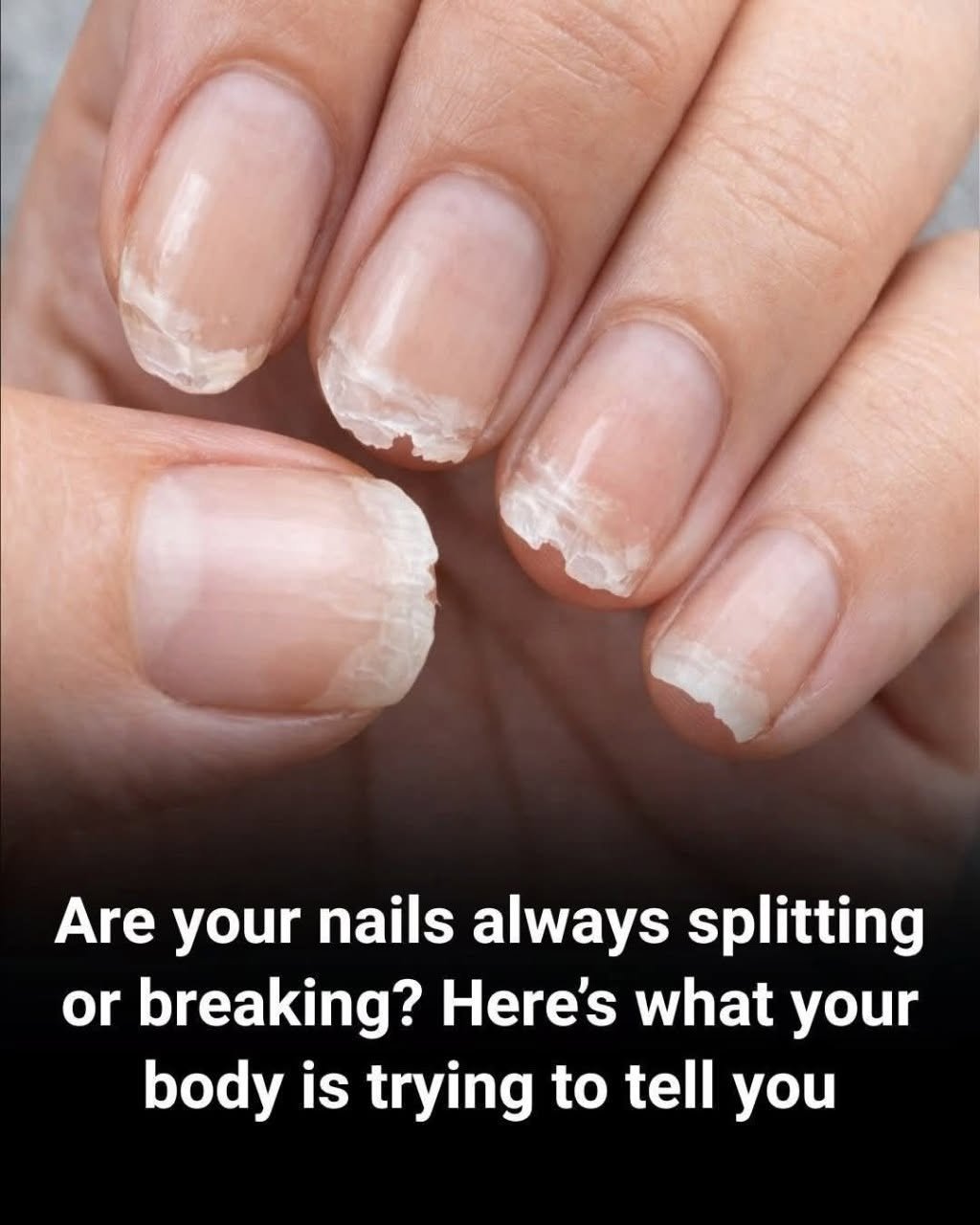
Brittle, peeling, splitting, or weak nails are more than just a cosmetic nuisance—they are often a physical signal from your body. Because your nails grow continuously and require a steady supply of nutrients and proper blood flow, they act as an early indicator of your overall internal health.
Here are the most common reasons why your nails might be weak or brittle, and what your body is trying to tell you:
1. Nutritional Deficiencies
Your nails are made of a tough protein called keratin. If you aren’t getting the right building blocks in your diet, your nail growth suffers:
-
Iron Deficiency (Anemia): Low iron reduces oxygen delivery to your nail beds, often causing nails to become thin, brittle, or even spoon-shaped (koilonychia).
-
Biotin (Vitamin B7) Deficiency: Essential for cell growth and protein metabolism; a lack of biotin is a classic cause of splitting or soft nails.
-
Zinc Deficiency: Zinc is vital for cell division and tissue growth. A shortage can cause white spots, slow growth, and weak, brittle edges.
-
Protein Shortage: Since nails are pure protein, an overly restrictive diet or low protein intake directly weakens them.
2. Dehydration (Internal & External)
Just like skin and hair, nails need moisture to remain flexible. If you are chronically dehydrated, your nails lose their elasticity, causing them to dry out, snap easily, and peel in layers.
3. Frequent Exposure to Water and Chemicals
Physical damage from the outside is just as common as internal causes.
-
Over-washing Hands: Constantly wetting and drying your hands causes nails to expand and contract, breaking down their structural integrity.
-
Harsh Chemicals: Frequent exposure to cleaning products, dishwashing soaps, and acetone-based nail polish removers strips your nails of their natural protective oils.
4. Thyroid Imbalances (Hypothyroidism)
Your thyroid gland regulates your metabolism, which controls how quickly your body repairs and grows cells—including your nails. An underactive thyroid (hypothyroidism) slows down blood circulation and cellular turnover, frequently resulting in dry, brittle, slow-growing nails that crack easily.
5. Natural Aging
As you age, your body’s cell turnover slows down, and your nails naturally produce less moisture and natural oils. This often leads to vertical ridges, thinning, and increased brittleness over time.
6. Underlying Skin Conditions
Certain dermatological issues directly affect the nail matrix (where new nail cells are created):
-
Psoriasis: Up to 50% of people with psoriasis experience nail changes, including pitting, discoloration, and nails separating from the nail bed.
-
Eczema (Atopic Dermatitis): Can cause rough, ridged, or splitting nails due to inflammation around the fingertips.
7. Overuse of Gel or Acrylic Manicures
While gel and acrylic nails look great, the process takes a heavy toll. The harsh UV/LED curing lights, the aggressive filing of the natural nail surface to prep for adhesion, and the chemical soaking required for removal strip away the top protective layers of your nail plate, leaving them paper-thin and weak.
