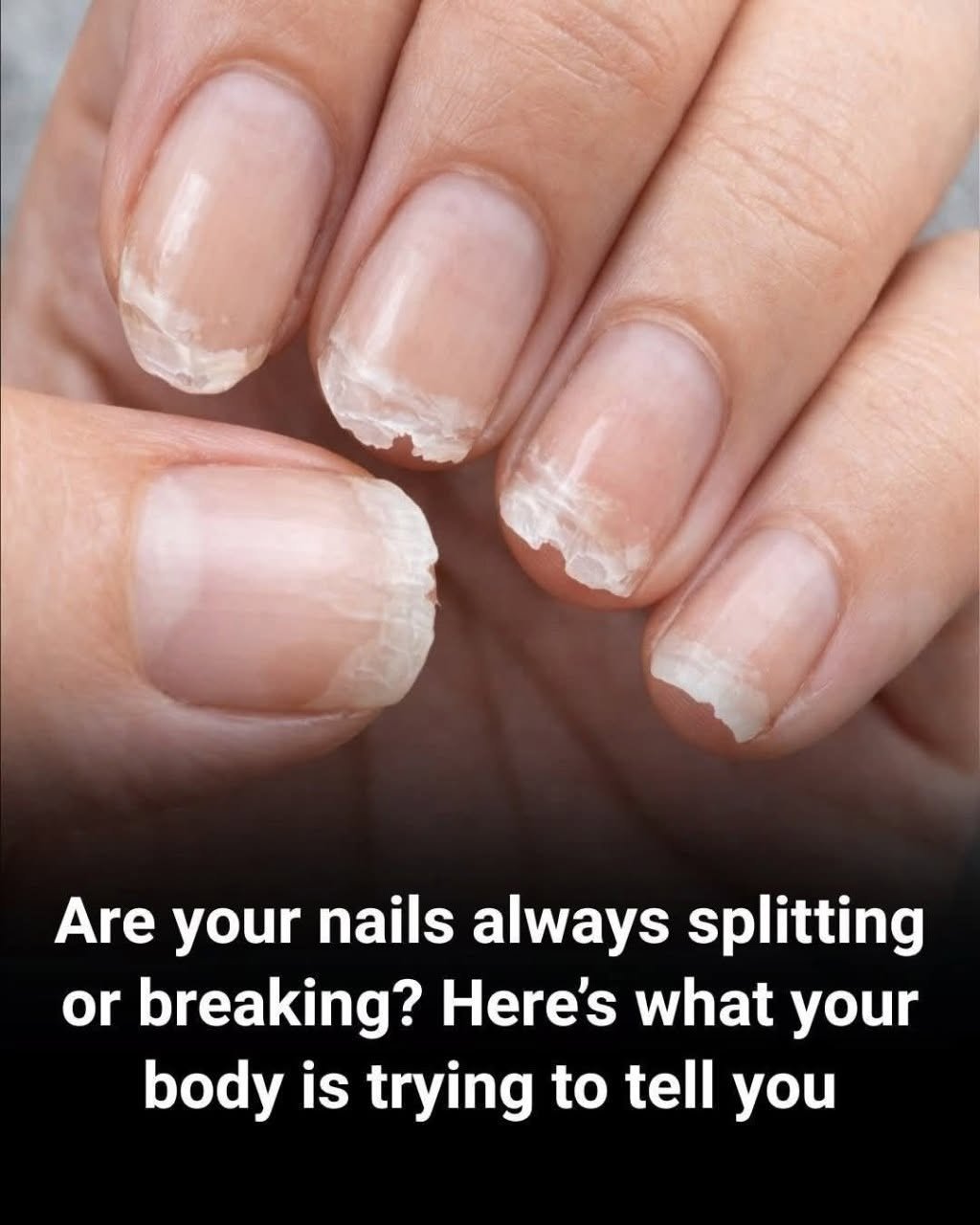
Brittle, peeling, soft, or ridged nails are often brushed off as a mere annoyance—the price of washing your hands too often or using harsh nail polish removers. But from a functional and holistic health perspective, your fingernails are living biological windows into your internal nutritional status and systemic well-being.
Because nail plates grow slowly (about 3 millimeters a month), the condition of your nails today reflects your health, stress levels, and nutrition from weeks or months ago.
Here is what weak or brittle nails are trying to tell you, and how to restore their strength from the inside out.
1. Nutritional Deficiencies (The Most Common Culprit)
Your nails are made of a tough fibrous protein called keratin. Building strong keratin requires a steady supply of specific building blocks. When your body is running low on key micronutrients, nail production is one of the first processes to suffer.
-
Iron Deficiency (Anemia): If your nails are brittle, thin, or concave (scooped out like a spoon, a condition called koilonychia), it is a classic sign of low iron or iron-deficiency anemia. Without enough iron, your blood cannot carry adequate oxygen to your nail beds.
-
B-Vitamins (Especially Biotin): Biotin (Vitamin B7) is essential for cell growth and amino acid metabolism necessary for nail protein synthesis. Chronic peeling or splitting is frequently linked to low B-complex levels.
-
Zinc and Protein: Zinc is required for cell division and tissue growth. If your nails grow painfully slow or develop white spots, you may be lacking zinc or adequate dietary protein.
2. Thyroid Imbalances (Hypothyroidism)
Your thyroid gland regulates your body’s overall metabolic rate, including how fast your cells—and your nails—turn over and repair.
-
When the thyroid is underactive (hypothyroidism), your metabolism slows down dramatically. This reduces blood circulation to your extremities and slows nail growth. The result? Dry, brittle, thick, or easily cracked nails that seem impossible to grow.
3. Chronic Dehydration and Moisture Deprivation
People often assume brittle nails mean they lack oil, but they actually usually lack water.
-
Just like dry hair or parched skin, nails that dry out lose their flexibility, making them prone to snapping rather than bending. Frequent hand-washing, exposure to harsh household cleaning chemicals without gloves, or living in dry winter air strips the natural moisture right out of the nail plate.
4. Circulatory Issues or Raynaud’s Phenomenon
Your nail matrix—the living root beneath your cuticle where new nail cells are created—requires a rich, continuous supply of oxygenated blood.
-
Conditions that restrict peripheral circulation (such as poor cardiovascular circulation or Raynaud’s disease, which we touched on regarding cold hands) starve the nail bed of vital nutrients, resulting in weak, slow-growing, fragile nails.
How to Restore Your Nails Naturally
If your nails are crying out for help, you can support them through targeted lifestyle adjustments:
-
Nutrient-Dense Eating: Incorporate nail-building foods rich in biotin, iron, and healthy fats—such as pasture-raised eggs, dark leafy greens, pumpkin seeds, lentils, salmon, and grass-fed meats.
-
Protect Your Hands: Always wear rubber gloves when washing dishes or handling household cleaning chemicals.
-
Moisturize the Matrix: Massage a nourishing oil (like pure jojoba oil, almond oil, or vitamin E oil) into your cuticles and nail beds every night before bed to lock in moisture.
-
Check in with Your Doctor: If brittle nails are accompanied by chronic fatigue, hair loss, feeling cold all the time, or unexplained weight changes, ask your physician to run simple blood work to check your iron panel (ferritin), B-vitamins, and thyroid function.
