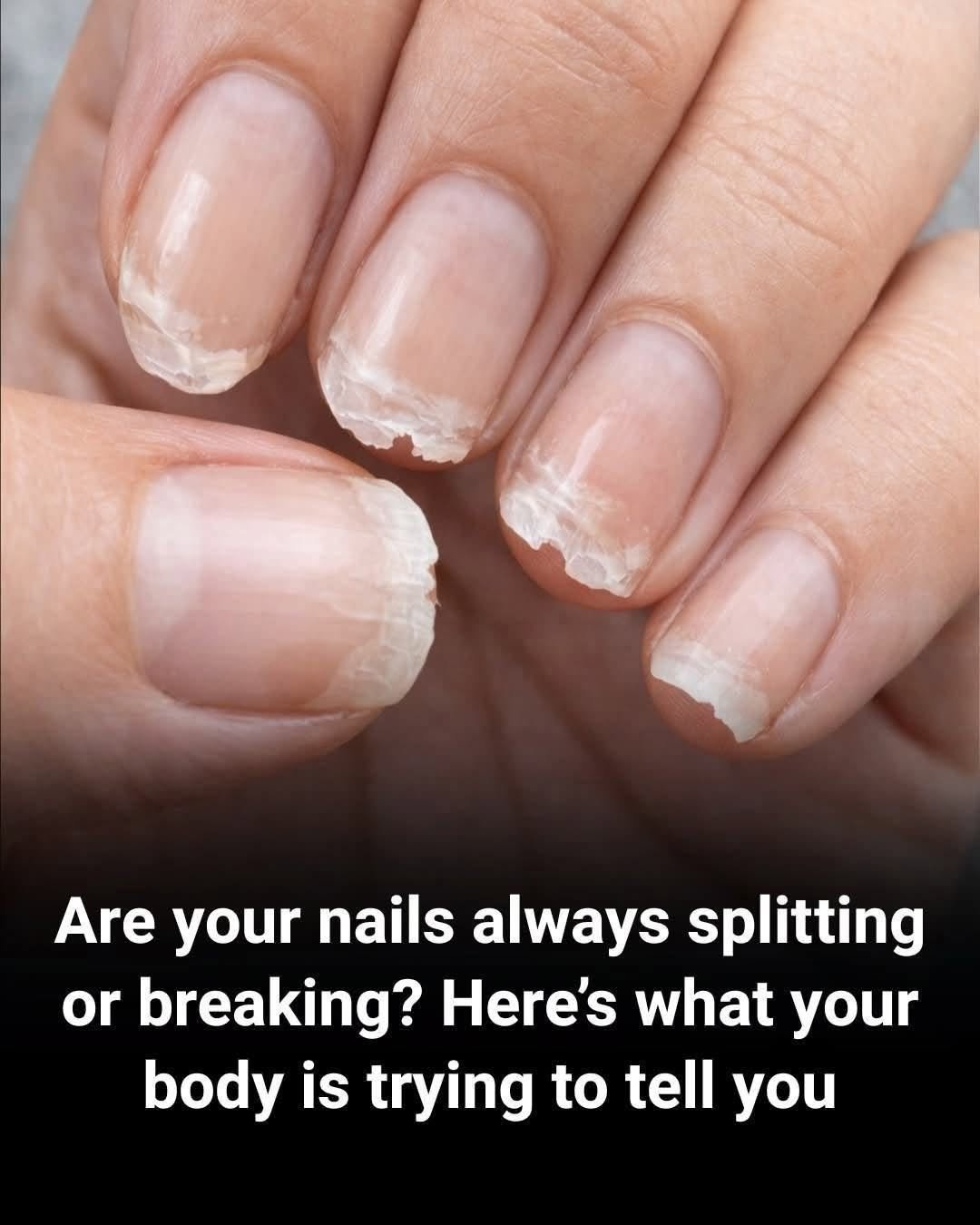
When wellness articles and beauty blogs tackle “Weak or Brittle Nails: What Your Body Is Trying to Tell You,” they often leap straight to dramatic, alarmist conclusions—claiming your split or peeling nails are a sure sign of a severe systemic disease or a profound nutritional deficiency.
The underlying dermatological and physiological reality is far more practical: the vast majority of brittle, weak, or peeling nails are caused by external environmental factors—such as frequent hand-washing, harsh chemicals, moisture cycling, and physical trauma—rather than an internal bodily crisis. While certain systemic conditions or nutritional shortages can affect nail growth, your fingernails are not a direct daily dashboard for your internal organs.
An evidence-based look at nail health helps separate everyday wear-and-tear from true medical indicators.
1. The Real Culprits: External Factors (Water and Chemistry)
Nails are made of layers of dead, hardened protein cells called keratin. Because they are non-living tissue, they react directly to their physical environment:
-
The Wet-Dry Cycle (Water Damage): This is the #1 cause of brittle, peeling nails. When you wash dishes, swim, or wash your hands repeatedly, your nails absorb water and swell, then dry and shrink as moisture evaporates. This constant expansion and contraction weakens the intercellular bonds holding the keratin layers together, causing splitting and peeling (a condition known as onychoschizia).
-
Harsh Chemicals: Frequent exposure to harsh dish soaps, household cleaning agents, hand sanitizers, and acetone-based nail polish removers strips the nail plate of its natural protective lipids and moisture.
-
Physical Trauma: Using your nails as tools to pry open boxes, scrape labels, or type aggressively against hard surfaces causes micro-fractures in the nail plate.
2. When Weak Nails Do Point Inward (Nutritional & Medical Nuances)
While external factors are usually to blame, certain internal states can influence nail strength and growth rate:
-
Iron Deficiency (Anemia): Low iron levels or iron-deficiency anemia can sometimes cause nails to become thin, brittle, or take on a concave, spoon-shaped appearance (koilonychia). However, this is accompanied by systemic symptoms like profound fatigue, pale skin, and shortness of breath—not just weak nails.
-
Thyroid Disorders: Both hypothyroidism (underactive thyroid) and hyperthyroidism can slow down cellular turnover, resulting in dry, brittle, slow-growing, or easily breakable nails.
-
Severe Malnutrition or Crash Diets: Extreme caloric restriction or severe protein deficiency can deprive the body of the building blocks required for healthy nail matrix production.
3. Evidence-Based Steps to Strengthen Your Nails
If your nails are splitting or breaking, stop buying expensive “miracle growth” pills and focus on mechanical and environmental protection:
-
Moisturize Immediately After Washing: Apply a thick hand cream or cuticle oil containing petrolatum, lanolin, or ceramides right after washing your hands while they are still slightly damp to lock in moisture.
-
Wear Gloves for Wet Work: Put on rubber or nitrile gloves whenever you wash dishes, clean with chemicals, or handle prolonged water exposure.
-
Minimize Harsh Removers: Ditch drying acetone polish removers in favor of non-acetone, moisturizing formulas, and give your nails breaks from gel manicures or harsh acrylics.
-
Consider Biotin (With Realistic Expectations): Over-the-counter biotin (Vitamin B7) is frequently marketed for hair and nails. While clinical evidence shows it can slightly improve nail thickness and firmness in individuals with genuinely brittle nails, it is not an overnight cure-all and takes months of consistent supplementation to show any change.
The Takeaway
Ignore the myth that weak nails are always screaming about a mysterious internal disease. Most of the time, your nails are simply telling you they need a break from water, harsh soaps, and chemical exposure. Simple protection, consistent moisturization, and gentle care will do far more for your nail health than any panic-inducing wellness article.
