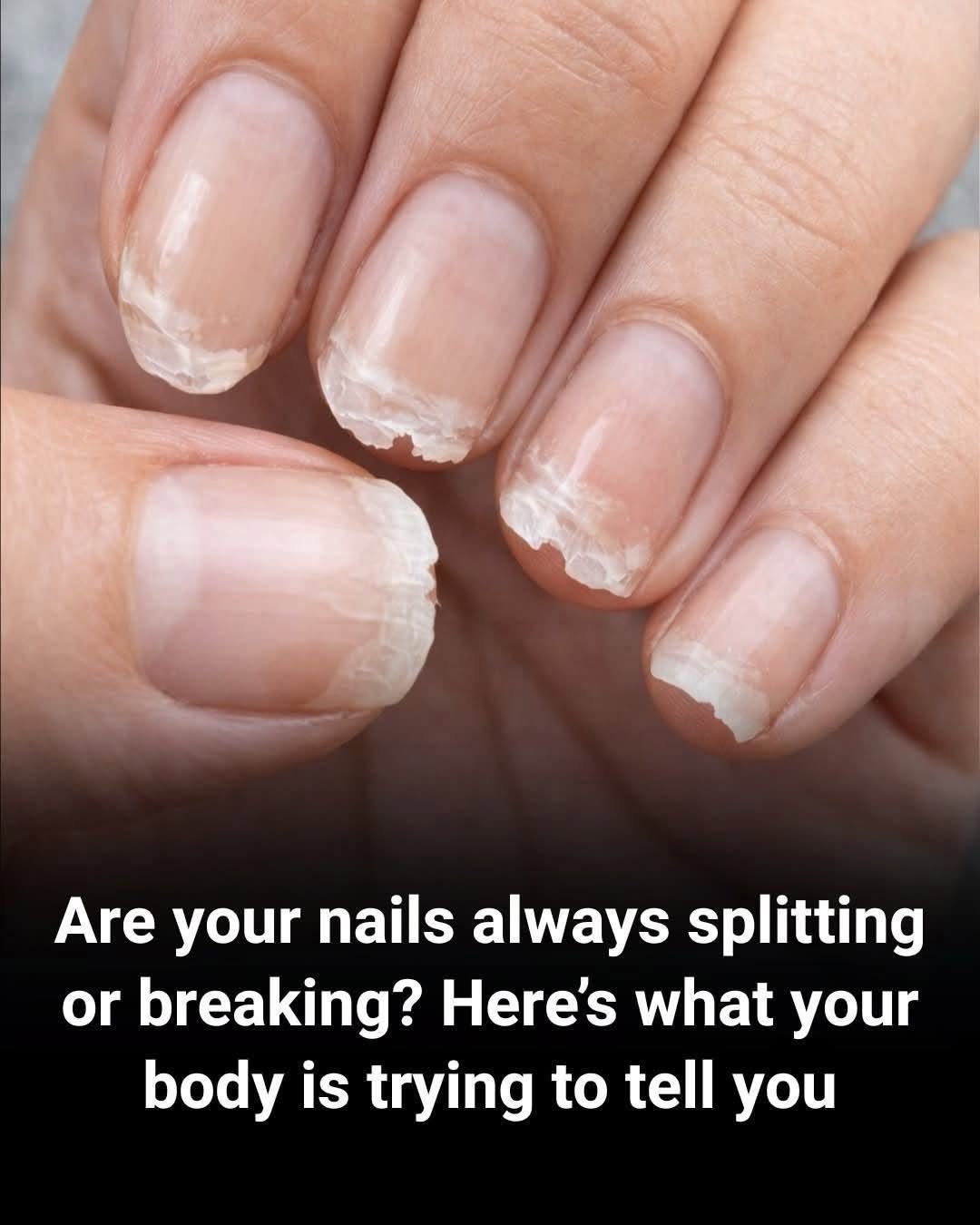
Weak or brittle nails—clinically known as onychoschizia—are rarely just a cosmetic inconvenience. Nails are composed of layers of the structural protein keratin. When nail matrix cells lack key micronutrients, experience altered microvascular blood flow, or suffer chemical degradation, the structural integrity of the nail plate deteriorates.
Understanding the underlying biological drivers helps differentiate between routine environmental wear and systemic health markers.
Primary Causes of Brittle & Soft Nails
1. Micronutrient Deficiencies
-
Biotin (Vitamin B7): Essential for keratin protein synthesis and lipid metabolism within the nail bed. A deficiency leads to thin, soft, easily split nails.
-
Iron (Serum Ferritin): Needed for tissue oxygenation. Low iron stores cause cellular hypoxia at the nail matrix, leading to weak, flattened, or spoon-shaped nails ().
-
Zinc & Calcium: Zinc is vital for rapid cellular division in the matrix, while calcium maintains intercellular adhesion within keratin layers.
2. Thyroid Dysfunction (Hypothyroidism)
-
Mechanism: Thyroid hormones ($\text{T}_3$ and $\text{T}_4$) regulate basal metabolic rates and cutaneous microcirculation.
-
Impact: An underactive thyroid slows nail matrix cell turnover and reduces peripheral circulation, resulting in dry, slow-growing, highly brittle nails that crack easily.
3. Repeated Moisture & Chemical Exposure
-
Mechanism: Frequent cycles of wetting and drying cause the keratin layers of the nail to expand and contract repeatedly.
-
Impact: This mechanical strain weakens intercellular lipids, causing the layers to separate (lamellar splitting). harsh solvents like acetone-based removers and dishwashing detergents strip natural protective oils.
4. Microvascular & Peripheral Circulation Deficits
-
Mechanism: Reduced blood flow to the distal extremities diminishes oxygen and nutrient delivery to the nail matrix.
-
Impact: Common in individuals with poor capillary circulation or Raynaud’s phenomenon, leading to thin, ridged, fragile nail growth.
Diagnostic Breakdown Matrix
| Visible Sign | Primary Biological Driver | Common Systemic/Environmental Cause |
| Vertical Ridges + Splitting | Slowed matrix cell replacement | Normal cellular aging or thyroid hypofunction |
| Soft, Bendable Nails | Impaired keratin cross-linking | Excess moisture, protein deficiency, low sulfur |
| Spoon-Shaped (Concave) | Severe tissue hypoxia | Iron-deficiency anemia |
| Horizontal Cracking / Peeling | Lipid barrier loss & dehydration | Harsh detergents, frequent acetone use |
| White Spots / Fragility | Matrix micro-trauma or low mineral turnover | Zinc deficiency or physical impact |
