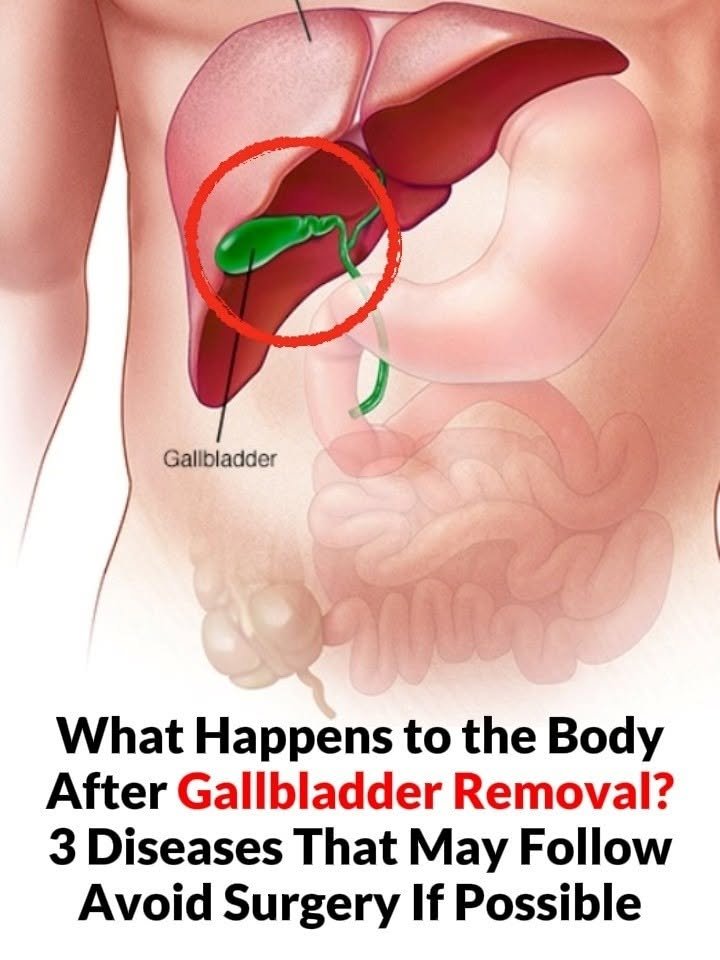
When the gallbladder is removed (a procedure known medically as a cholecystectomy), the body undergoes a fundamental anatomical shift. Normally, the gallbladder acts as a reservoir, storing bile produced by the liver and releasing it in concentrated bursts to help digest dietary fats.
Without a gallbladder, bile can no longer be stored. Instead, it drips continuously and unregulated straight from the liver into the small intestine. While many people adjust well to this change, others experience chronic digestive disruption. When symptoms persist or new complications arise after surgery, doctors often categorize them under Post-Cholecystectomy Syndrome (PCS).
What Happens to the Body After Removal?
-
Continuous Bile Drip: Instead of receiving bile only when you eat fat, your intestines are exposed to a constant, low-level trickle of bile acids.
-
Fat Malabsorption and Diarrhea: Because there is no concentrated reserve of bile to break down heavy or fatty meals, fats can pass through the digestive tract unabsorbed, frequently leading to chronic loose stools or urgent, watery diarrhea.
-
Bile Acid Reflux: Unregulated bile can flow backward into the stomach and up into the esophagus, causing persistent heartburn, nausea, and a burning discomfort.
3 Diseases and Conditions That May Follow
1. Post-Cholecystectomy Syndrome (PCS)
-
What it is: PCS is an umbrella term for a collection of lingering or new symptoms that mimic the original gallbladder attack. Patients frequently experience recurring upper right abdominal pain, severe bloating, excessive gas, nausea, and indigestion weeks, months, or even years after surgery.
-
Why it happens: It can be caused by small gallstones left behind in the bile ducts during surgery, inflammation, or structural irritation where the gallbladder used to be.
2. Sphincter of Oddi Dysfunction (SOD)
-
What it is: The Sphincter of Oddi is a muscular valve that opens to allow bile and pancreatic juices to flow into the small intestine. After the gallbladder is gone, this valve can begin to spasm or malfunction because it no longer coordinates with the reservoir.
-
Why it follows: SOD triggers intense, biliary-type colic pain (sharp cramping in the upper abdomen), nausea, and elevated liver enzymes, often requiring specialized medication or minor endoscopic procedures to relieve the pressure.
3. Non-Alcoholic Fatty Liver Disease (NAFLD)
-
What it is: An abnormal accumulation of fat inside liver cells not caused by alcohol consumption, which can lead to progressive liver inflammation and scarring.
-
Why it follows: Emerging clinical research suggests that altering the body’s biliary system disrupts normal metabolic signaling pathways (including how the body processes fats and cholesterol). Without the dynamic regulation that a healthy gallbladder provides, the liver is subjected to altered lipid handling, increasing the long-term risk of hepatic fat accumulation and metabolic strain.
Why Avoid Surgery If Possible?
Because the gallbladder plays an active role in regulating bile flow, fat digestion, and metabolic health, surgery should generally be reserved for true emergencies (such as acute gallbladder infection, gangrene, perforation, or unyielding, severe blockages).
When dealing with mild sludge, small non-emergency stones, or biliary sluggishness, many functional specialists advocate for conservative management—such as dietary adjustments, hydration, healthy fats to stimulate gentle natural flow, and addressing underlying metabolic triggers—to preserve the organ whenever safely possible.
