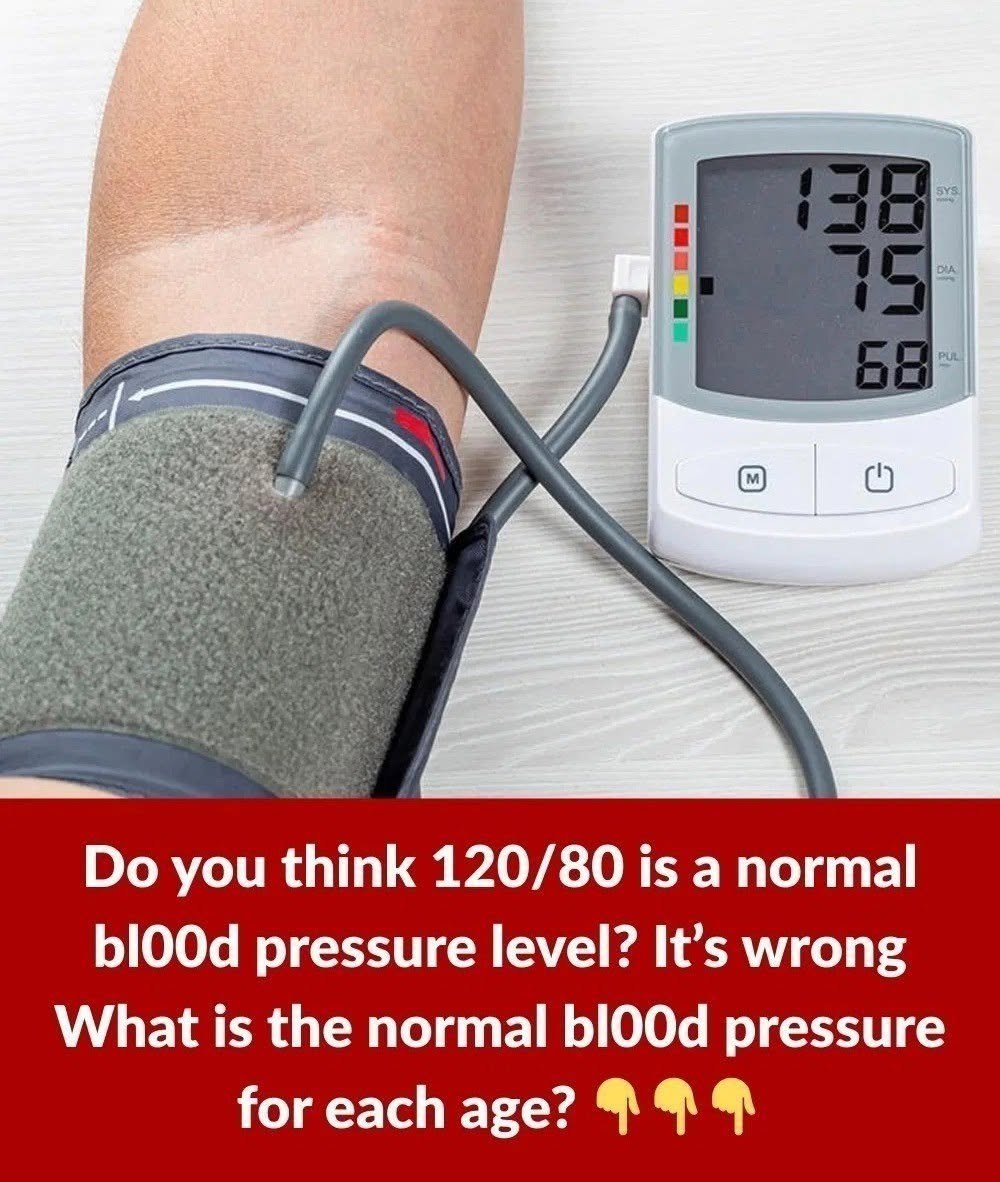
When looking at blood pressure across different stages of life, cardiologists and geriatric specialists emphasize that clinically “normal” blood pressure does not actually scale upward with age.
While it is true that blood vessels naturally lose some of their youthful elasticity over the decades—often causing systolic pressure (the top number) to rise—medical guidelines maintain that the target for a healthy adult remains consistent.
General Blood Pressure Categories for Adults
According to major clinical guidelines (such as the American Heart Association), blood pressure readings are categorized as follows:
-
Normal: Less than 120 / 80 mmHg
-
Elevated: Systolic between 120–129 AND diastolic less than 80 mmHg
-
Stage 1 High Blood Pressure (Hypertension): Systolic 130–139 OR diastolic 80–89 mmHg
-
Stage 2 High Blood Pressure: Systolic 140 or higher OR diastolic 90 or higher mmHg
What Changes As We Age? (The Geriatric Perspective)
While the numerical target remains optimal below 120/80 mmHg, physicians take a nuanced, individualized approach when evaluating older adults:
-
Focus on the Top Number (Systolic): In older adults, isolated systolic hypertension (where the top number is high, say 140, but the bottom number is normal, like 70) is very common. This happens because arterial walls stiffen over time. Managing this helps reduce the risk of stroke and cardiovascular strain.
-
Preventing Over-Medication (Orthostatic Hypotension): For seniors, blood pressure goals are balanced carefully against the risk of dizziness or falls. If blood pressure drops too abruptly when standing up (orthostatic hypotension), it can lead to lightheadedness. Therefore, physicians often tailor targets for older adults to keep them safe, stable, and well-perfused.
Simple Habits to Support Healthy Blood Pressure
-
Sodium Awareness: Reducing excess processed salt intake helps prevent fluid retention and eases pressure on arterial walls.
-
Regular Movement: Daily aerobic activities, like brisk walking or swimming, keep blood vessels flexible and compliant.
-
Consistent Home Monitoring: Checking your blood pressure at the same time every day in a calm, seated position provides a reliable baseline to share with your doctor.
Are you tracking your blood pressure readings at home, or discussing cardiovascular targets with your healthcare provider?
