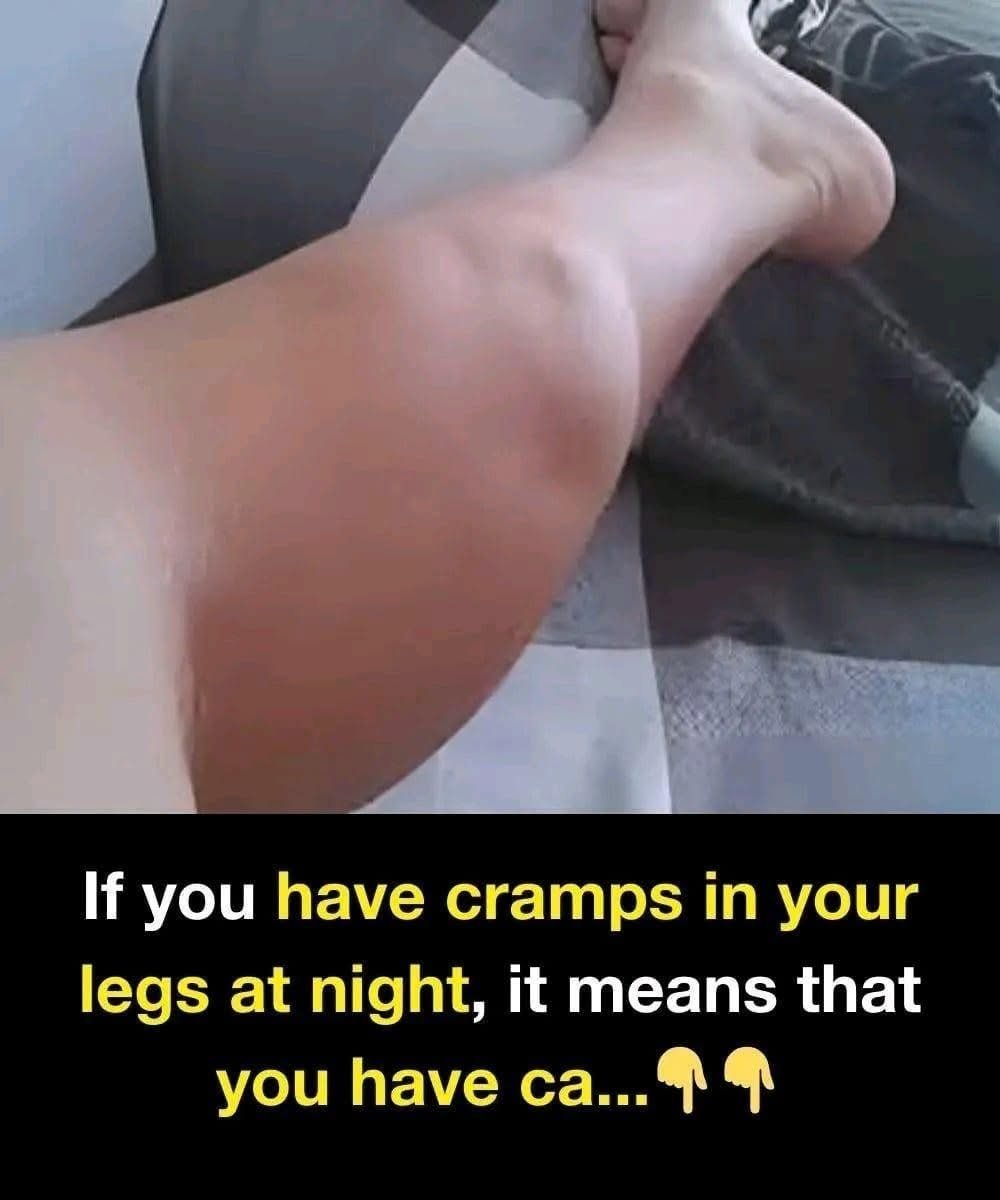
When health articles and medical summaries explore who is most at risk of night cramps (nocturnal leg cramps), they are looking at a sudden, painful, and involuntary contraction of the muscles—most commonly in the calves, feet, or hamstrings—that strikes right as you are trying to rest.
From a clinical neurology and gerontological perspective, nocturnal leg cramps are exceptionally common, particularly as we age. While they can sometimes feel like a mysterious annoyance, they are usually driven by specific physiological triggers related to nerve signaling, muscle fatigue, and fluid balance.
Who Is Most at Risk?
Certain groups experience a significantly higher frequency of nocturnal leg cramps due to underlying physiological shifts:
-
Older Adults (Ages 50+):
-
Why: As we age, the nerve endings that supply our muscles undergo natural wear, and tendons naturally shorten over time. This makes the muscle-tendon unit more prone to involuntary spasms when relaxed in bed.
-
-
Pregnant Individuals (Especially in the Second and Third Trimesters):
-
Why: Rapid weight gain, altered posture, shifting mineral demands (such as calcium and magnesium), and changes in circulatory dynamics place extra strain on leg muscles.
-
-
Individuals with Dehydration or Electrolyte Imbalances:
-
Why: Inadequate fluid intake or low levels of key minerals like magnesium, potassium, and calcium disrupt the delicate electrical “tug-of-war” required for muscles to relax after contracting.
-
-
Those with High Physical Activity or Prolonged Standing:
-
Why: People who stand on hard floors all day or push through intense leg workouts without adequate post-exercise stretching can experience localized muscle fatigue, triggering overnight cramps.
-
-
Individuals Taking Certain Medications:
-
Why: Certain prescription medications—most notably diuretics (water pills) used for blood pressure or heart conditions—can alter fluid and electrolyte balance, increasing cramp susceptibility.
-
Evidence-Based Ways to Prevent and Relieve Night Cramps
When a cramp strikes or you want to keep them at bay, clinical guidelines and physical therapists recommend these effective strategies:
-
The Pre-Bed Calf Stretch: Spend 30 seconds doing a gentle wall stretch for your calves before getting into bed. Clinical studies show that regular stretching significantly reduces the frequency of nocturnal cramps.
-
Prioritize Targeted Minerals: Ensure your diet includes magnesium-rich foods (like leafy greens, almonds, and pumpkin seeds) and stay consistently hydrated with water and balanced electrolytes throughout the day.
-
Keep Feet Neutral Under Blankets: Heavy blankets that push your toes downward (plantar flexion) can shorten the calf muscle and trigger spasms. Try keeping your feet pointed upward or use a light blanket setup.
-
Immediate Relief: If a cramp hits, immediately straighten your leg, pull your toes upward toward your shin (dorsiflexion), and gently massage the tight muscle to encourage it to release.
Are you looking into ways to manage nighttime muscle discomfort, or exploring healthy aging and sleep routines?
