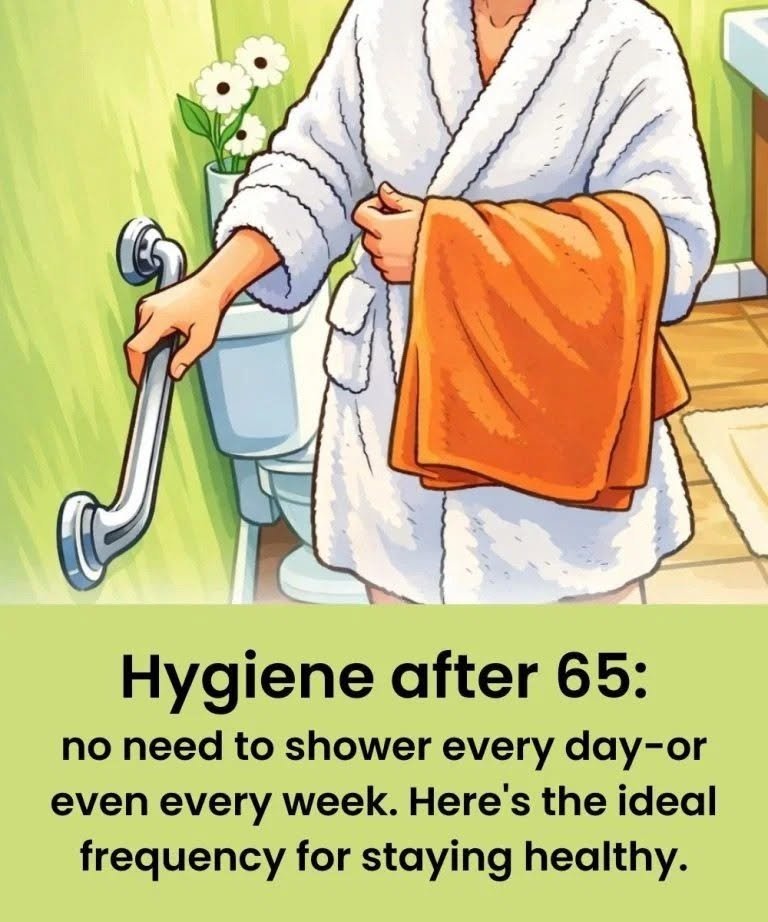
As we age, the skin undergoes natural physiological transformations that change how it responds to water, soaps, and daily cleansing. While a daily shower is a deeply ingrained cultural habit for many, for adults over the age of 65, showering every single day can actually strip away essential protective barriers and do more harm than good.
Understanding why older skin reacts differently helps explain why shifting to a gentler routine is better for long-term health and comfort.
What Happens to Aging Skin?
Starting around middle age and accelerating into our senior years, the skin experiences distinct changes:
-
Thinning Epidermis: The outer layer of the skin (the stratum corneum) thins out, making it more fragile and sensitive to physical friction and harsh chemicals.
-
Lower Sebum Production: Sebaceous glands produce significantly less natural oil (sebum) as we age. This oil is crucial for locking in moisture and maintaining a protective waterproof barrier.
-
Reduced Moisture Retention: Aging skin loses its ability to hold onto water efficiently, making chronic dryness (xerosis) a common challenge.
Why Daily Showers Can Cause Harm
When you shower every day—especially using hot water and strong, fragrant soaps—you disrupt an already delicate system:
1. Stripping the Natural Lipid Barrier
Hot water and harsh soaps act as powerful degreasers. They wash away the minimal natural oils older skin produces. Without this lipid barrier, moisture rapidly evaporates from the skin (transepidermal water loss).
2. Severe Dryness, Itching, and Cracking
The direct result of stripped oils is chronic, intense skin dryness. This often leads to asteatotic eczema (or “winter itch”), a condition where the skin becomes so dry, flaky, and tight that it develops fine, painful cracks.
3. Risk of Secondary Skin Infections
When skin becomes excessively dry, cracked, and irritated, its protective shield against the outside world is compromised. Tiny micro-fissures in dry skin allow bacteria and pathogens to enter, significantly increasing the risk of painful skin infections (cellulitis) or fungal issues.
4. Slip and Fall Hazards
Frequent long showers can also increase the physical fatigue or dizziness that some older adults experience in warm, steamy bathrooms, raising the risk of slips and falls on wet surfaces.
How to Adjust Your Routine for Healthy Aging Skin
Dermatologists generally recommend that older adults do not need a full-body soap-and-water shower every single day.
-
The “Pits, Groin, and Feet” Rule: On days you skip a full shower, a quick “sponge bath” or wash of the areas prone to bacteria and odor (underarms, groin, and feet) with a gentle, fragrance-free cleanser is more than enough for hygiene.
-
Shorten and Cool It: When you do shower, keep the water lukewarm rather than hot, and limit your time in the water to 5 to 10 minutes.
-
Ditch Harsh Soaps: Swap out deodorant soaps and heavy synthetic fragrances for ultra-gentle, hydrating body washes or syndet (synthetic detergent) bars that preserve natural oils.
-
Moisturize Immediately: Apply a thick, fragrance-free moisturizing cream or lotion (rather than a thin pump lotion) within 3 minutes of stepping out of the shower while your skin is still slightly damp to lock in hydration.
