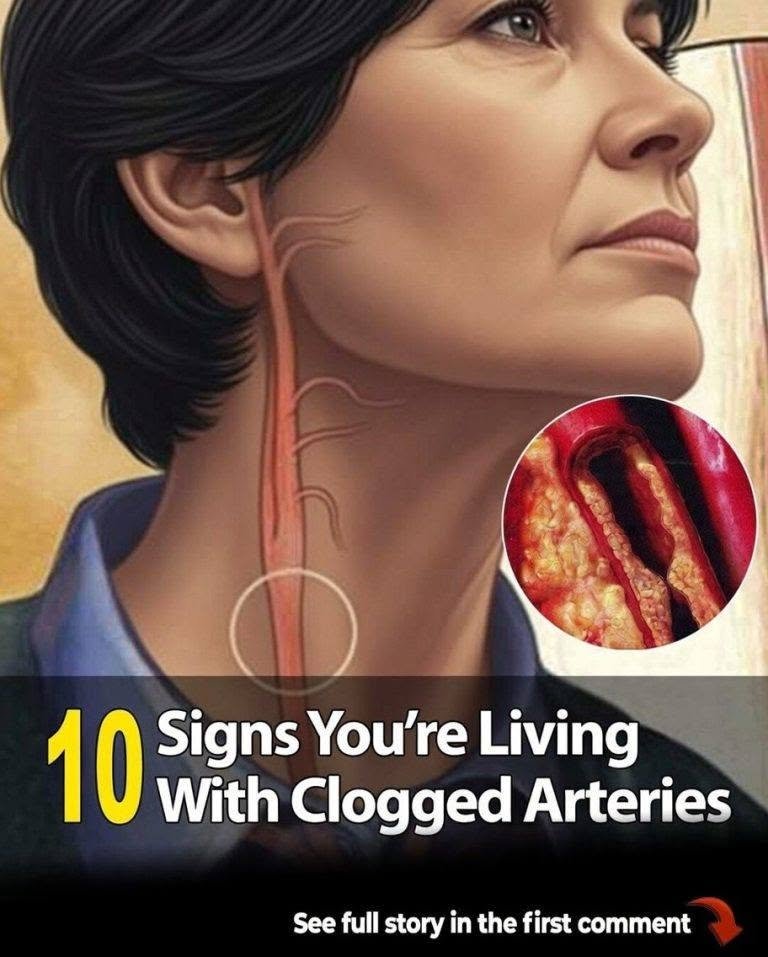
Atherosclerosis—the gradual buildup of fatty plaques, cholesterol, and calcium inside your arteries—is often a silent process. For years, plaque can accumulate without causing obvious symptoms. However, as these pathways narrow and stiffen, blood flow to critical organs begins to choke, and the body starts sending out distress signals.
Depending on whether the blockages affect the heart (coronary artery disease), the limbs (peripheral artery disease), or the brain (carotid artery disease), the warning signs can vary widely.
Here are 10 key indicators of blocked arteries that should never be ignored:
1. Angina (Chest Pain, Pressure, or Tightness)
-
What it indicates: This is the classic warning sign of coronary artery disease. When plaque restricts blood flow to the heart muscle itself, physical exertion or emotional stress can starve the tissue of oxygen, causing a squeezing, pressure, or burning sensation in the center of the chest.
-
Why it matters: While stable angina occurs predictably during exertion, a sudden worsening or pain occurring at rest is a medical emergency signaling an unstable blockage.
2. Exertional Shortness of Breath
-
What it indicates: If walking up a flight of stairs or carrying groceries suddenly leaves you gasping for air, it may mean your heart muscle isn’t receiving enough blood to pump efficiently, or that backup pressure is affecting fluid dynamics in your lungs.
-
Why it matters: Breathlessness during mild exertion is frequently an equivalent to angina, especially in women and older adults who may not experience classic chest pain.
3. Intermittent Claudication (Leg Cramping During Walking)
-
What it indicates: Pain, cramping, aching, or a heavy feeling in your calves, thighs, or buttocks that comes on reliably when walking and disappears after a few minutes of rest is a hallmark sign of Peripheral Artery Disease (PAD). It means the arteries supplying your lower extremities are narrowed.
-
Why it matters: PAD is a powerful predictor of systemic atherosclerosis; plaque buildup in the legs often mirrors plaque buildup in the heart and brain.
4. Cold Extremities and Diminished Pulses
-
What it indicates: Severely restricted blood flow to the arms or legs can leave one hand or foot chronically colder than the other, accompanied by weak or absent pulses in the wrists or ankles.
-
Why it matters: Prolonged oxygen deprivation in the tissues can lead to chronic coldness, skin discoloration, and impaired tissue health.
5. Transient Ischemic Attacks (TIAs) or Neurological Signs
-
What it indicates: Temporary blockages or micro-emboli traveling from plaque-laden carotid arteries in the neck to the brain can cause “ministrokes” (TIAs). Symptoms include sudden weakness or numbness on one side of the body, slurred speech, temporary loss of vision in one eye, or sudden dizziness.
-
Why it matters: A TIA is a critical, high-alert warning sign that a major stroke may be imminent if the carotid arteries are severely obstructed.
6. Chronic, Unexplained Fatigue
-
What it indicates: When major arteries are blocked, the heart has to work exponentially harder to push blood through narrowed channels. This chronic overexertion, combined with reduced overall oxygen delivery, can drain your energy reserves, leaving you profoundly and constantly fatigued.
-
Why it matters: While fatigue has many causes, a sudden drop in physical stamina that doesn’t improve with sleep warrants a cardiovascular checkup.
7. Erectile Dysfunction (A Surprisingly Early Vascular Warning)
-
What it indicates: The blood vessels supplying erectile tissue are significantly smaller in diameter than coronary arteries (about 1–2 mm vs. 3–4 mm). Consequently, endothelial dysfunction and arterial plaque accumulation tend to restrict blood flow here years before symptoms appear in the heart.
-
Why it matters: Erectile dysfunction is often considered an early, independent clinical bellwether for underlying cardiovascular disease.
8. Slow-Healing Sores or Wounds on the Feet or Toes
-
What it indicates: Skin and tissues require a robust supply of oxygen-rich blood to repair themselves. When peripheral arteries are blocked, minor cuts, blisters, or scratches on the lower legs and feet can take weeks or months to heal, or fail to heal altogether.
-
Why it matters: Chronic ischemic ulcers can lead to severe tissue damage and, in advanced cases, critical limb ischemia requiring medical intervention.
9. Hair Loss and Shiny Skin on the Lower Legs
-
What it indicates: Advanced peripheral artery disease starves the skin and hair follicles of essential nutrients and oxygen. Over time, the skin on the lower legs and feet may become taut, thin, shiny, and hairless.
-
Why it matters: This physical transformation is a visible hallmark of long-standing, chronic microvascular and macrovascular restriction.
10. A Sudden Heart Attack or Stroke
-
What it indicates: In some cases, the first sign of blocked arteries is a catastrophic event. This happens when a stable plaque ruptures, triggering an immediate blood clot (thrombus) that completely seals off a coronary or cerebral artery.
-
Why it matters: This underscores why identifying and managing lesser warning signs early—through lipid panels, blood pressure control, and vascular screening—is vital before a silent blockage turns dangerous.
Protecting Your Vascular Health
Arterial blockages develop over decades, driven by factors like high blood pressure, elevated LDL cholesterol, smoking, diabetes, and systemic inflammation. If you notice persistent warning signs—such as unexplained leg pain, shortness of breath, or chest discomfort—consult a physician immediately. Simple diagnostic tools like an ankle-brachial index (ABI), carotid ultrasound, or coronary calcium scoring can evaluate your vascular health and help clear the path before a crisis occurs.
