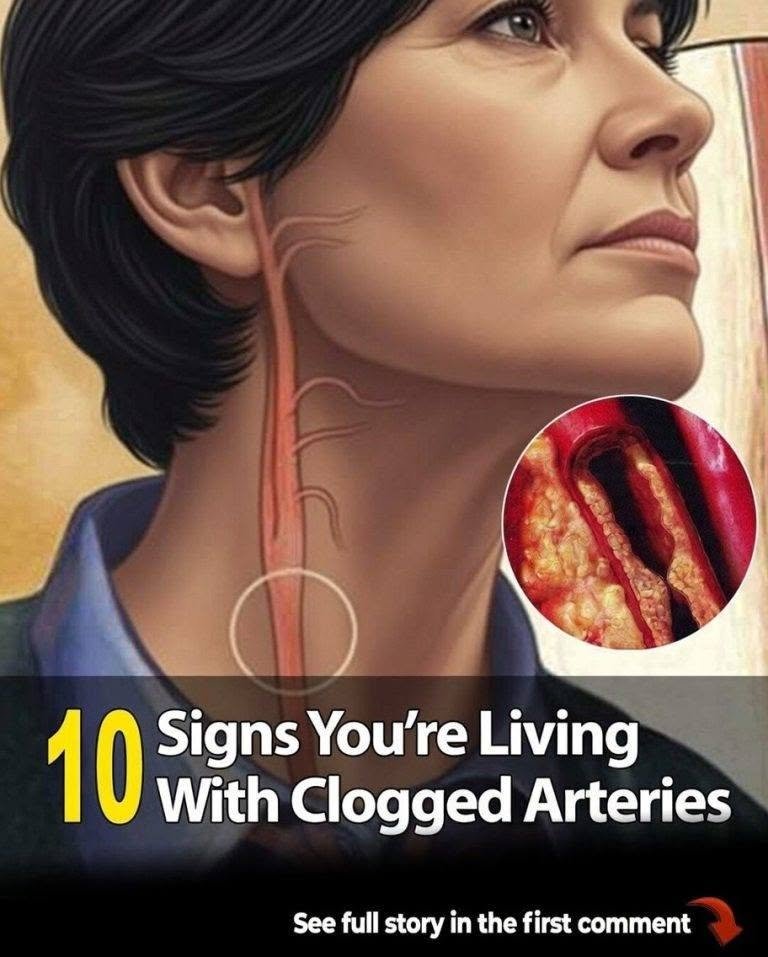
Coronary artery disease (CAD) and peripheral artery disease (PAD) develop when fatty deposits, cholesterol, and cellular waste build up into plaque along the inner walls of your arteries. This process—known as atherosclerosis—narrows blood vessels, hardens arterial walls, and restricts the oxygen-rich blood flow your heart, brain, and limbs need to function properly.
Because plaque builds up gradually, the early signs are often subtle or mistaken for normal aging. Recognizing these 10 key indicators of blocked arteries can help you seek timely medical intervention before a major cardiovascular event occurs:
1. Chest Discomfort or Pain (Angina)
-
What It Feels Like: A squeezing, heavy pressure, tightness, or burning sensation in the center or left side of your chest. It often worsens with exertion or emotional stress and improves with rest.
-
Why It Happens: Narrowed coronary arteries cannot deliver enough oxygen-rich blood to the heart muscle when demand increases.
2. Pain Ranging to the Neck, Jaw, Throat, Back, or Arm
-
What It Feels Like: Discomfort that radiates outward from the chest into the left shoulder, left arm, neck, jaw, or upper back. In women, this radiation often occurs without severe chest pressure.
-
Why It Happens: Shared nerve pathways transfer the ischemic pain signals from the struggling heart muscle to nearby areas of the upper body.
3. Shortness of Breath (Dyspnea) with Minimal Exertion
-
What It Feels Like: Windedness or air hunger after routine activities that previously caused no fatigue, such as climbing a single flight of stairs or walking short distances.
-
Why It Happens: When coronary arteries are obstructed, the heart struggles to pump enough oxygenated blood throughout the body, causing fluid pressure to back up into the lungs.
4. Unexplained Leg Pain or Cramping While Walking (Claudication)
-
What It Feels Like: A dull aching, tightness, or severe cramping in the calves, thighs, or buttocks that comes on during walking and disappears within a few minutes of resting.
-
Why It Happens: A hallmark sign of Peripheral Artery Disease (PAD), caused by plaque accumulation in the lower extremity arteries that starves leg muscles of oxygen during movement.
5. Coldness or Numbness in One Leg or Foot
-
What It Feels Like: One leg, foot, or hand feeling noticeably colder to the touch than the other side, often accompanied by persistent numbness, tingling, or weakness.
-
Why It Happens: Severe arterial narrowing restricts blood circulation to the extremities, impairing normal thermoregulation and nerve sensation.
6. Erectile Dysfunction in Men
-
What It Feels Like: Persistent difficulty achieving or maintaining an erection suitable for intercourse.
-
Why It Happens: The pelvic and penile arteries are significantly smaller than coronary arteries (often 1–2 mm vs. 3–4 mm). Arterial stiffness and endothelial dysfunction often manifest in these smaller vessels years before noticeable heart symptoms appear.
7. Chronic, Unexplained Daytime Fatigue
-
What It Feels Like: Waking up exhausted despite getting adequate sleep, or feeling completely depleted by mild daily tasks.
-
Why It Happens: Decreased cardiac output forces the heart to work significantly harder to pump blood through restricted vessels, leaving tissues systematically under-oxygenated.
8. Slow-Healing Cuts, Wounds, or Sores on the Feet or Toes
-
What It Feels Like: Minor scratches, blisters, or sores on the lower legs and feet that take weeks to heal or turn into persistent ulcers.
-
Why It Happens: Adequate arterial blood supply is essential for delivering oxygen, white blood cells, and nutrients needed for tissue repair. Severe PAD starves tissues of these repair factors.
9. Changes in Skin Color, Hair Loss, or Brittle Nails on the Legs
-
What It Feels Like: Skin on the lower legs appearing shiny, tight, pale, or bluish (cyanotic), alongside noticeable loss of leg hair and slowed toe nail growth.
-
Why It Happens: Chronic lack of localized blood flow leads to poor nourishment of hair follicles, nail beds, and dermal tissues.
10. Dizziness, Lightheadedness, or Sudden Confusion
-
What It Feels Like: Sudden spells of feeling faint, unstable on your feet, or experiencing brief brain fog.
-
Why It Happens: If carotid arteries (which supply blood to the brain) are narrowed by plaque, oxygen delivery to neurological centers drops, creating transient lightheadedness or balance issues.
When to Seek Immediate Medical Care
If chest pain, severe shortness of breath, radiating pain to the arm or jaw, or sudden facial/limb weakness occurs suddenly, call emergency services immediately (911). These are emergency signs of an active heart attack or stroke.
For non-emergency symptoms—such as persistent leg pain while walking, unexplained fatigue, or slow-healing foot sores—schedule a comprehensive cardiovascular evaluation with your physician. A doctor can order non-invasive diagnostic tests (such as an Ankle-Brachial Index, lipid panel, stress test, or coronary calcium scan) to assess your vascular health and prescribe preventive steps.
