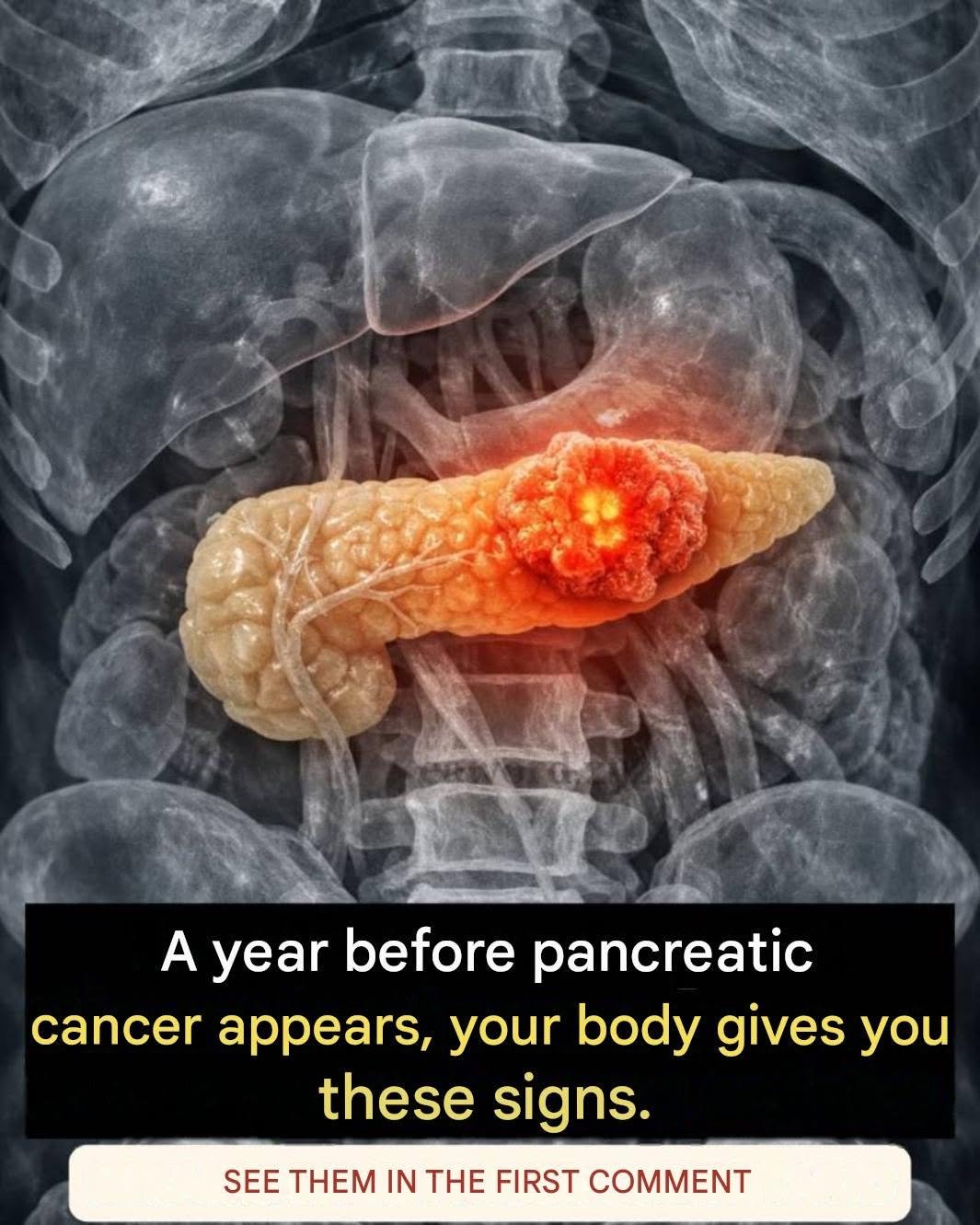
Pancreatic cancer is frequently referred to as a “silent disease” because its earliest stages rarely cause noticeable physical signs. The pancreas is deeply embedded behind other abdominal organs (like the stomach, liver, and small intestine), meaning tumors can grow significantly before pressing on surrounding nerves or bile ducts to trigger symptoms.
Recognizing subtle, persistent bodily shifts is critical for catching pancreatic abnormalities early. Here are the key early signs and silent symptoms that doctors recommend never ignoring:
1. Painless Jaundice (Yellowing of Skin and Eyes)
-
What Happens: If a tumor develops in the head of the pancreas, it can obstruct the common bile duct, preventing bile from flowing into the small intestine. This causes bile pigments (bilirubin) to back up into the bloodstream.
-
What to Watch For: A yellow tint to the whites of your eyes and skin, often accompanied by dark, tea-colored urine and pale, clay-colored stools. Crucially, this type of jaundice is often painless, unlike jaundice caused by gallstones, which usually hurts.
2. Unexplained, Rapid Weight Loss
-
What Happens: Shedding pounds without changing your diet or exercise habits is one of the most common early red flags. Tumors alter your baseline metabolism, while physical compression of the digestive tract or a lack of pancreatic enzymes impairs nutrient absorption (malabsorption).
-
What to Watch For: Losing 5% to 10% or more of your total body weight over a span of a few months without effort.
3. Persistent Upper Abdominal or Mid-Back Pain
-
What Happens: A growing tumor can press against the dense network of nerves surrounding the pancreas (the celiac plexus).
-
What to Watch For: A dull, gnawing ache in the upper abdomen that often wraps around to the middle of the back. This pain frequently worsens after eating or when lying flat, and patients often find temporary relief by leaning forward.
4. New-Onset or Hard-to-Control Diabetes
-
What Happens: The pancreas is responsible for producing insulin. When cancerous cells destroy insulin-producing islet cells, glucose regulation breaks down abruptly.
-
What to Watch For: A sudden diagnosis of type 2 diabetes later in life—especially if you do not have risk factors like obesity—or a previously well-controlled diabetic patient whose blood sugar suddenly becomes erratic and hard to manage.
5. Sudden Digestive Shifts & Steatorrhea
-
What Happens: If a tumor blocks the pancreatic duct, digestive enzymes cannot reach the intestines to break down fats.
-
What to Watch For: Persistent bouts of floating, greasy, foul-smelling stools (steatorrhea), alongside chronic nausea, bloating, or a feeling of fullness after eating only a small amount of food.
6. Unexplained Onset of Clinical Depression or Anxiety
-
What Happens: While psychological shifts can stem from chronic illness, clinical studies have documented a curious phenomenon: sudden, severe depressive symptoms or anxiety can appear months before a pancreatic tumor is physically diagnosed, potentially triggered by systemic inflammatory cytokines released by the tumor affecting the central nervous system.
7. New Blood Clots (Deep Vein Thrombosis / Migratory Superficial Thrombophlebitis)
-
What Happens: Pancreatic cancer cells release pro-clotting factors into the bloodstream, making the blood hypercoagulable.
-
What to Watch For: Developing an unexplained blood clot in a deep vein of the leg (DVT) or recurrent, migrating superficial clots in various blood vessels.
When to See a Doctor
Many of these symptoms—such as back pain, weight loss, and digestive distress—are far more commonly caused by benign conditions like irritable bowel syndrome, gastritis, or muscle strain. However, if you experience persistent, progressive symptoms that do not resolve with standard treatment (especially painless jaundice, sudden unexplained weight loss, or mid-back pain), consult your physician immediately. Diagnostic imaging, such as a dedicated abdominal CT scan or MRI, can evaluate the pancreas directly.
