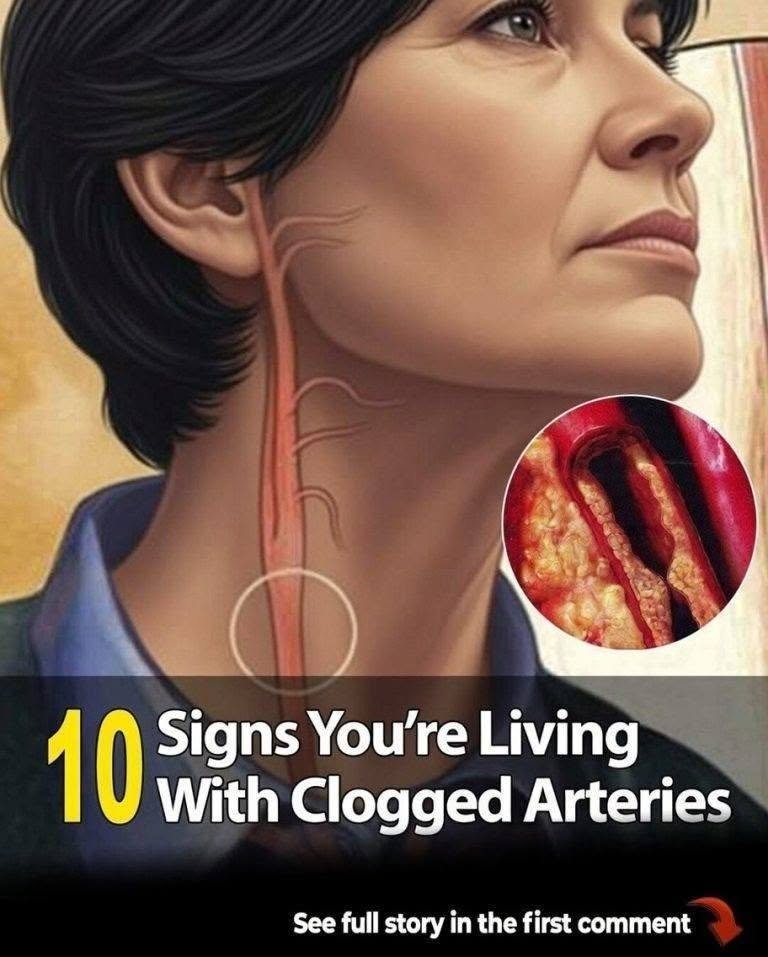
Blocked arteries occur when fatty deposits, cholesterol, and cellular waste build up inside arterial walls—a condition known as atherosclerosis. Because this restriction limits oxygen-rich blood from reaching vital organs, symptoms vary depending on which blood vessels are narrowed.
10 Critical Symptoms of Arterial Blockage
1. Chest Pain or Discomfort (Angina)
Narrowed coronary arteries cannot supply enough oxygenated blood to the heart muscle during stress or exertion. This creates a feeling of pressure, squeezing, heaviness, or tightness in the chest that typically subsides with rest.
2. Shortness of Breath (Dyspnea)
When coronary blood flow is compromised, the heart struggles to pump enough blood to meet the body’s demands, causing fluid buildup in the lungs or a persistent feeling of breathlessness during basic physical activities.
3. Leg Pain, Cramping, or Numbness (Claudication)
Blockages in the peripheral arteries of the lower extremities cause sharp pain, aching, or severe cramping in the calves, thighs, or buttocks while walking or climbing stairs, which dissipates after stopping.
4. Unexplained Extreme Fatigue or Dizziness
Reduced blood circulation prevents organs and skeletal muscles from receiving adequate oxygen and nutrients, leading to systemic exhaustion, lightheadedness, or sudden muscle weakness without an obvious cause.
5. Cold Feet or Hands with Poor Wound Healing
Restricted peripheral circulation reduces skin temperature in the lower legs and feet. Minor cuts, scrapes, or sores on the feet may heal extremely slowly or develop into non-healing ulcers due to lack of localized blood flow.
6. Carotid Bruits or Sudden Neurological Changes
Narrowing of the carotid arteries in the neck can cause brief episodes of blurred vision, temporary numbness on one side of the face or body, slurred speech, or sudden confusion—warning signals for a transient ischemic attack (TIA).
7. Lower Back Pain
The lumbar arteries supplying blood to the lower back and spinal discs are often among the first to accumulate plaque. Reduced blood flow to this area can trigger chronic lower back soreness or accelerated disc degeneration.
8. Erectile Dysfunction (ED)
The penile arteries are significantly smaller in diameter than coronary or carotid vessels, making them early indicators of vascular disease. Persistent vascular ED often precedes overt coronary symptoms by several years.
9. Jaw, Neck, Shoulder, or Upper Back Discomfort
Ischemic pain from the heart does not always remain in the chest. Nerve pathways can radiate discomfort upward into the jaw, throat, and neck, or outward down the left arm and between the shoulder blades.
10. Sudden High Blood Pressure
Renal artery stenosis—plaque buildup in the arteries feeding the kidneys—triggers the body’s pressure-regulating hormone system into overdrive, resulting in severe, difficult-to-treat hypertension.
Vascular Regions & Associated Clinical Risks
| Affected Vessel Area | Primary Condition | Associated Long-Term Complication |
| Coronary Arteries | Coronary Artery Disease (CAD) | Myocardial infarction (Heart Attack) |
| Carotid Arteries | Carotid Artery Disease | Ischemic Stroke / TIA |
| Peripheral Arteries | Peripheral Artery Disease (PAD) | Critical Limb Ischemia / Tissue Damage |
| Renal Arteries | Renal Artery Stenosis | Chronic Kidney Failure / Resistant Hypertension |
Medical Warning: Seek emergency medical care immediately if you experience sudden, severe chest pain, pain radiating to your jaw or arm, shortness of breath, sudden facial drooping, or arm weakness. These are critical warning signs of an active heart attack or stroke.
