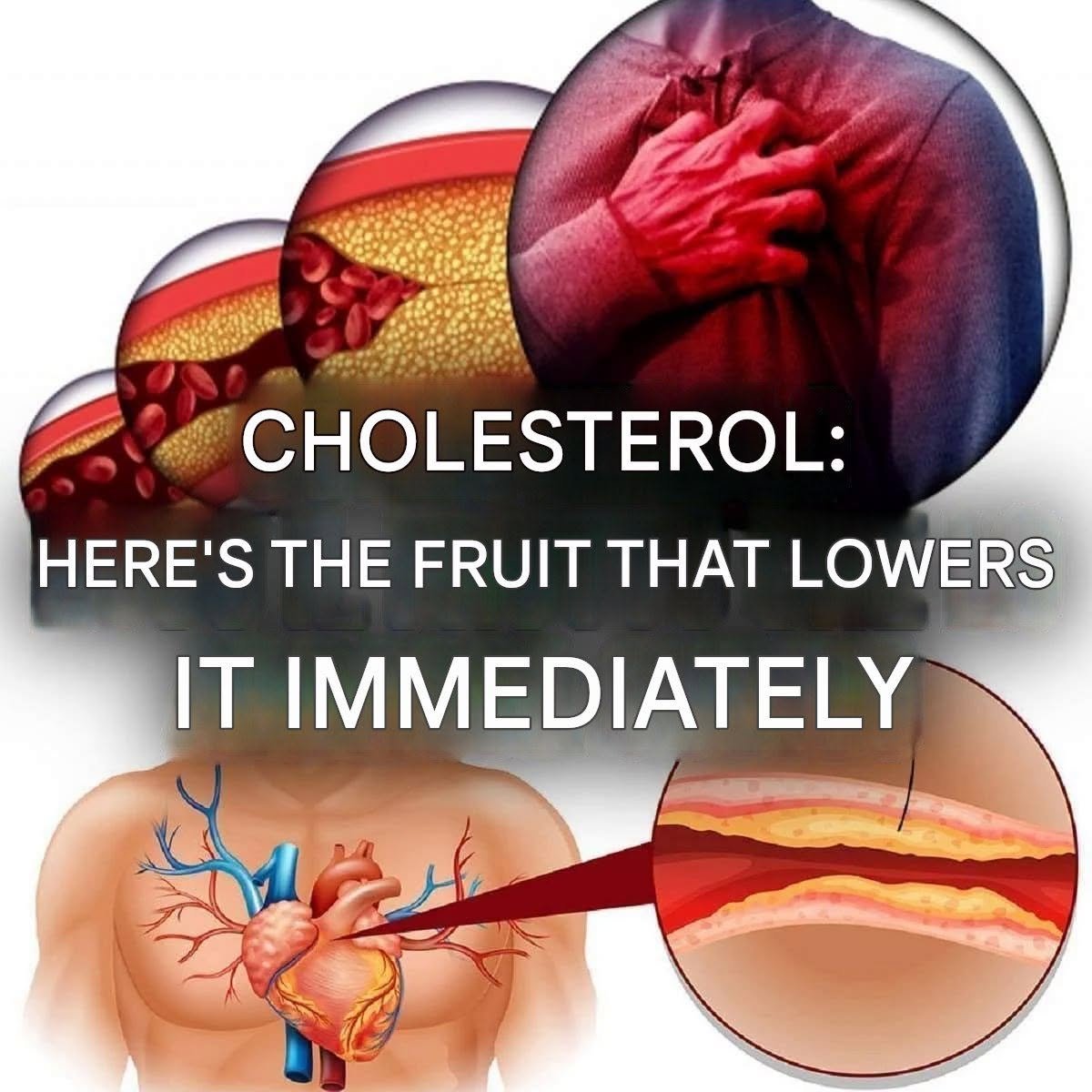
Sensationalized titles like “The 1-Ingredient Miracle Fruit” often mask a straightforward physiological reality: several accessible fruits deliver exceptional cardiovascular benefits through distinct biochemical mechanisms.
Rather than relying on a single “magic” food, cardiovascular health depends on how different bioactive compounds directly target endothelial function, lipid metabolism, and fluid balance.
Top Standout Fruits & Their Targeted Mechanisms
| Fruit | Primary Bioactive Compound | Blood Pressure Mechanism | Lipid / Cholesterol Mechanism |
| Blueberries | Anthocyanins (Flavonoids) | Stimulates endothelial nitric oxide production, causing blood vessels to dilate and reduce peripheral resistance. | Reduces systemic inflammation and inhibits the oxidation of LDL cholesterol. |
| Kiwis | Potassium, Vitamin C, & Polyphenols | Studies show consuming 2–3 kiwis daily can lower systolic blood pressure significantly compared to apples, due to high potassium/sodium ratio balancing fluid retention. | High fiber and antioxidant content reduce arterial plaque markers. |
| Avocados | Oleic Acid (MUFA) & Plant Sterols | High in potassium and magnesium, which reduce vascular smooth muscle stiffness. | Directly lowers “bad” LDL while preserving or elevating “good” HDL cholesterol. |
| Pomegranates | Punicalagins & Ellagitannins | Acts as a natural ACE (angiotensin-converting enzyme) inhibitor to relax arteries. | Prevents lipid peroxidation and reduces pre-existing carotid artery plaque buildup. |
| Apples (with skin) | Pectin (Soluble Fiber) & Epicatechin | Epicatechins improve vascular elasticity. | Pectin binds to bile acids in the gut, forcing the liver to consume circulating LDL cholesterol to produce more bile. |
Physiological Summary: How They Work Together
-
Nitric Oxide Pathway: Compounds like anthocyanins and citrulline signal the vascular endothelium to release nitric oxide, forcing constricted arteries to widen.
-
Sodium-Potassium Balance: Fruits packed with potassium counter the fluid-retentive effects of excess dietary sodium, easing pressure on kidney filtration and arterial walls.
-
Bile-Acid Binding: Soluble dietary fibers (pectin and mucilage) intercept cholesterol compounds in the digestive tract before they can re-enter the bloodstream.
