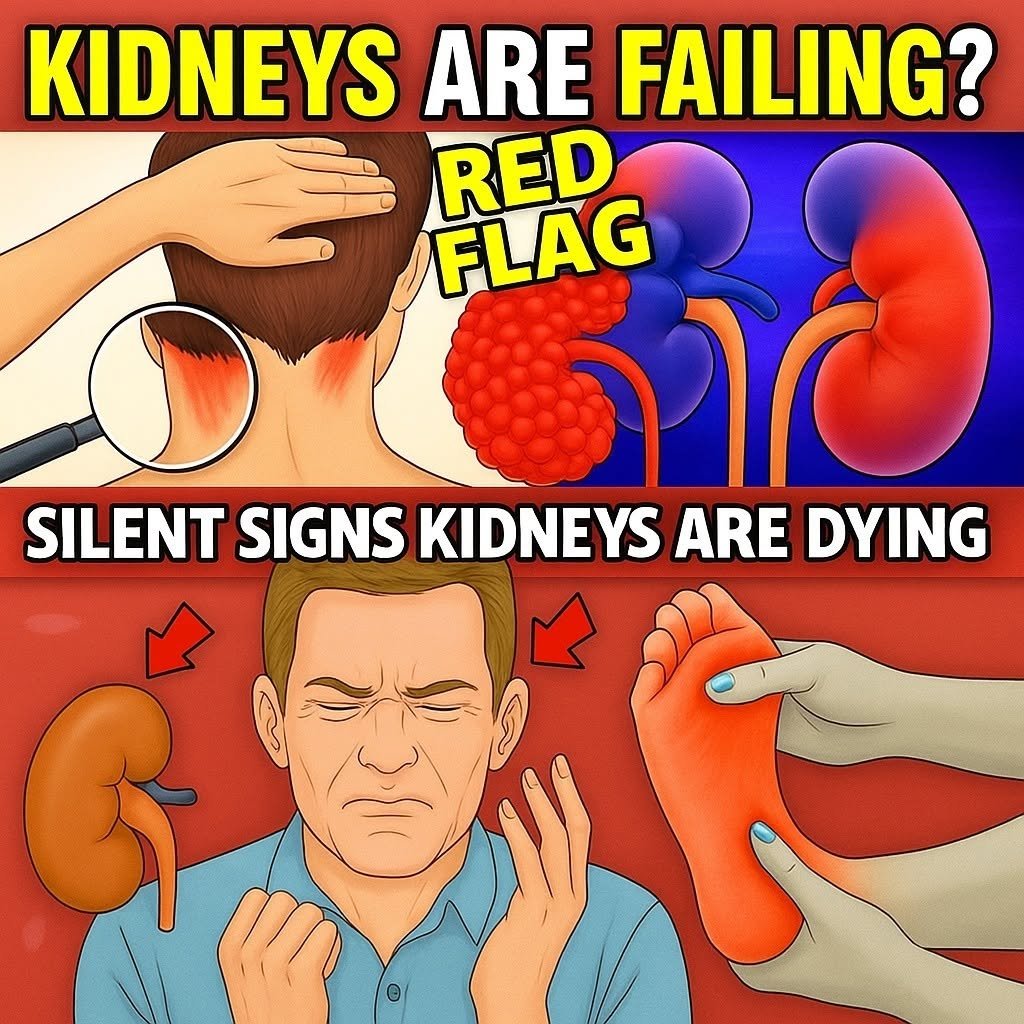
When clickbait health articles scream about “10 silent signs your kidneys are failing,” they rely on terrifying health anxiety to rake in clicks.
The medical reality is far more reassuring, though crucial to understand: your kidneys are powerhouses of biological redundancy and resilience. They have massive functional reserve capacity, meaning they can lose a staggering amount of function before you notice dramatic symptoms. However, when chronic kidney disease (CKD) progresses into advanced stages, your body does send distinct physiological warning signals because your kidneys can no longer filter waste, balance electrolytes, or regulate blood pressure.
An evidence-based look at what actually happens when kidney function declines separates internet alarmism from real nephrology science.
Why Early Kidney Disease is Truly “Silent”
In the early stages of kidney disease (Stages 1 through 3), your remaining nephrons simply work overtime to pick up the slack for any damaged ones. Because the body adapts so efficiently, blood tests might show declining filtration rates long before you feel sick.
When symptoms do finally appear, they are the direct result of specific biochemical failures: fluid overload, toxin buildup (uremia), electrolyte imbalances, and hormone disruption.
The Real Signs of Advanced Kidney Dysfunction
While clickbait lists exaggerate minor quirks, medical science recognizes several hallmark indicators that your kidneys are struggling:
1. Persistent, Puffy Swelling Around the Eyes (Periorbital Edema)
-
The Mechanism: Healthy kidneys balance sodium and fluid levels. When they fail, your body retains excess sodium and water. Furthermore, failing kidneys leak massive amounts of vital blood proteins (albumin) into the urine. Losing albumin lowers the pressure inside your blood vessels that keeps fluid where it belongs, causing fluid to pool in loose tissues—most noticeably around your eyes, especially in the morning.
2. Foamy, Bubbly Urine
-
The Mechanism: If you notice your urine looks like it has been whipped up like beer foam—requiring you to flush multiple times—it is often a sign of proteinuria (protein in the urine). Healthy kidneys act as a fine sieve that keeps large protein molecules in your blood; damaged filters let protein slip through.
3. Swollen Ankles, Feet, and Lower Legs (Peripheral Edema)
-
The Mechanism: Reduced kidney function impairs sodium excretion and fluid balance. Gravity pulls this excess fluid downward, leading to noticeable, pitting edema in your lower extremities, ankles, and feet by the end of the day.
4. Unexplained, Persistent Fatigue and Brain Fog
-
The Mechanism: Your kidneys produce a vital hormone called erythropoietin (EPO), which tells your bone marrow to make oxygen-carrying red blood cells. When kidneys fail, EPO production plummets, resulting in renal anemia. Without enough oxygen reaching your brain and muscles, you experience deep, unyielding exhaustion and cognitive fatigue.
5. Persistent Itchy, Dry, and Irritated Skin (Uremic Pruritus)
-
The Mechanism: Your kidneys are responsible for maintaining a precise balance of minerals like phosphorus and calcium in your blood. When kidney function drops, excess phosphorus builds up in the bloodstream. This mineral imbalance, combined with secondary hyperparathyroidism and uremic toxins, triggers severe, deep-skin itching that moisturizers cannot fix.
6. Metallic Taste in the Mouth or Ammonia Breath
-
The Mechanism: As kidney function declines, waste products build up in the blood—a condition called uremia. Urea breaks down into ammonia in your saliva, altering your sense of taste, causing food (especially meat) to taste metallic, and giving your breath a distinct ammonia-like odor.
7. Nausea, Vomiting, and Loss of Appetite
-
The Mechanism: Severe uremia (toxin buildup) wreaks havoc on the gastrointestinal tract. Widespread toxin accumulation triggers chronic nausea, a sudden aversion to eating, and general digestive distress.
8. Frequent Nighttime Urination (Nocturia)
-
The Mechanism: When the concentrating ability of the kidney’s tubules is damaged, your body loses its ability to make urine more concentrated at night. This forces your kidneys to produce larger volumes of diluted urine around the clock, waking you up multiple times to use the bathroom.
9. Muscle Cramps, Restless Legs, and Spasms
-
The Mechanism: Failing kidneys struggle to regulate electrolytes like calcium, potassium, phosphorus, and magnesium. Severe electrolyte imbalances—particularly low calcium or uncontrolled phosphorus—directly disrupt nerve and muscle signaling, causing painful nighttime muscle cramps (especially in the calves).
10. Shortness of Breath (Fluid Overload or Anemia)
-
The Mechanism: Shortness of breath can link to kidney failure in two ways: fluid backing up into your lungs (pulmonary congestion) due to failing fluid regulation, or severe anemia starving your tissues of oxygen, making you feel winded after minor exertion.
How to Protect and Monitor Your Kidneys
You don’t need to live in fear of silent failure; you need routine medical screening.
-
Get Tested: If you have risk factors like high blood pressure or diabetes, a simple eGFR blood test (to check filtration rate) and a Urine Albumin-to-Creatinine Ratio (uACR) test can catch kidney stress years before symptoms ever appear.
-
Protect Your Vascular Health: Because high blood pressure and diabetes are the leading causes of kidney failure, managing your blood sugar and blood pressure is the single most powerful thing you can do for your renal health.
