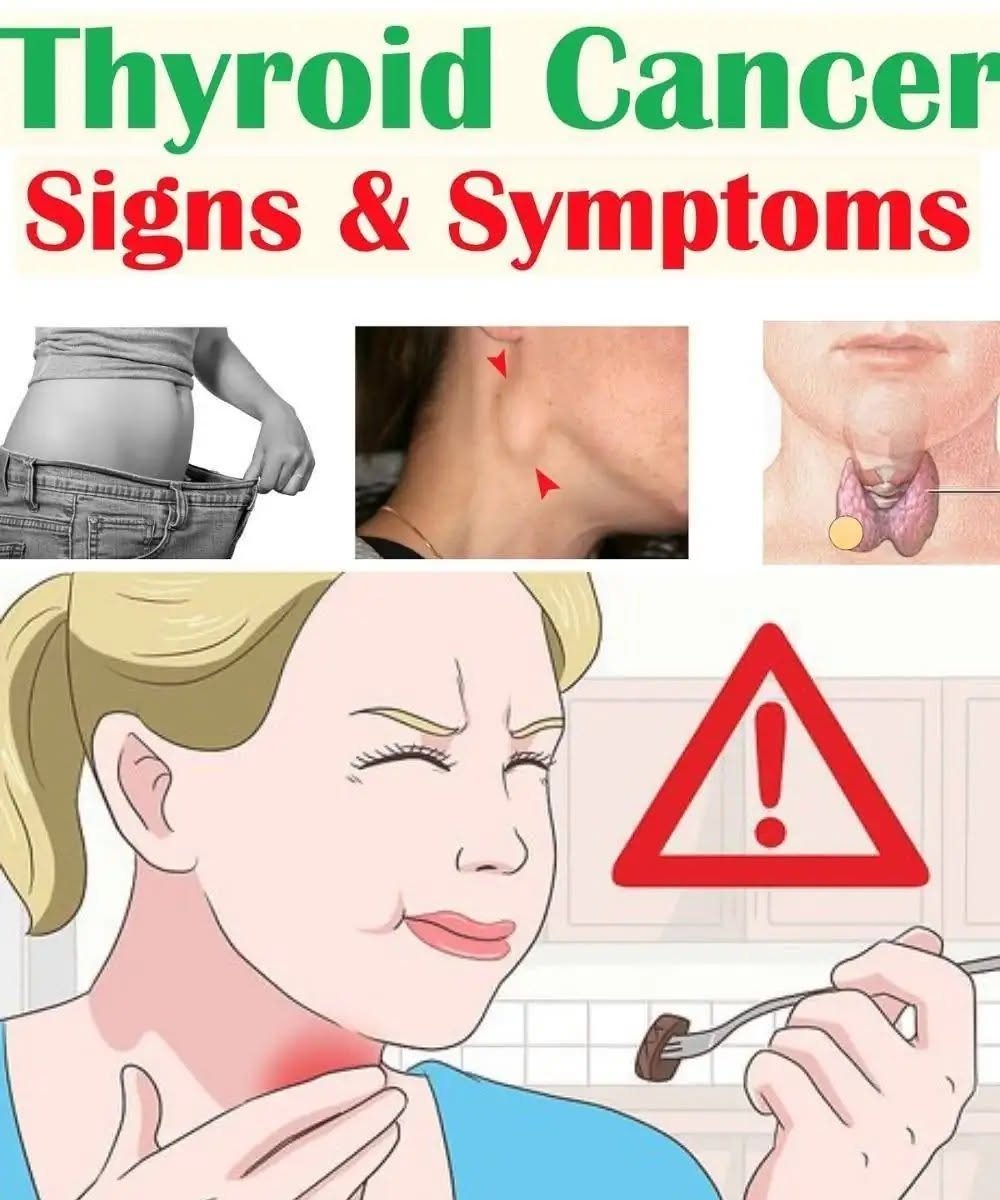
The thyroid is a small, butterfly-shaped gland located at the base of your neck, but its impact is massive. It produces hormones that regulate nearly every metabolic process in your body—controlling your energy levels, heart rate, internal body temperature, and weight.
When your thyroid begins to malfunction—whether under-active (hypothyroidism) or over-active (hyperthyroidism)—it sends out subtle distress signals that often get mistaken for ordinary stress or aging.
Here are 10 urgent signs your thyroid may be in trouble and why you should never ignore them:
1. Unexplained Weight Changes (Up or Down)
-
What Happens: If your thyroid is sluggish (hypothyroidism), your metabolism slows to a crawl, causing unexpected weight gain or making it nearly impossible to lose weight despite eating clean and exercising. Conversely, an overactive thyroid (hyperthyroidism) burns calories at an accelerated rate, causing rapid, unexplained weight loss even with an increased appetite.
2. Persistent, Unshakeable Fatigue and Brain Fog
-
What Happens: Feeling tired after a long day is normal, but waking up exhausted after a full 8 hours of sleep is a classic hallmark of low thyroid function. Your cells are lacking the metabolic energy they need to function optimally, leading to mental sluggishness, poor concentration, and memory lapses.
3. Chronic Sensitivity to Cold or Heat
-
What Happens: Because your thyroid acts as your body’s internal thermostat, a struggling gland throws off your temperature regulation. Hypothyroidism often leaves you feeling freezing when everyone else is comfortable, while hyperthyroidism causes heat intolerance, excessive sweating, and a feeling of internal overheating.
4. Hair Thinning, Dry Skin, and Brittle Nails
-
What Happens: Thyroid hormones govern cellular regeneration in your skin, hair follicles, and nails. A failing thyroid slows this renewal process down dramatically. This results in dry, flaking skin, brittle fingernails that break easily, and noticeable hair thinning—including the unusual loss of the outer third of your eyebrows.
5. Racing Heart, Palpitations, or Irregular Pulse
-
What Happens: An overactive thyroid floods the system with excess hormones, driving your heart rate up. You might experience sudden heart palpitations, a pounding sensation in your chest, or a resting heart rate that feels uncomfortably fast. On the flip side, an underactive thyroid can cause a slower-than-normal pulse.
6. Unexplained Mood Swings, Anxiety, or Depression
-
What Happens: Thyroid hormones directly interact with neurotransmitters in the brain like serotonin. An underactive thyroid frequently triggers low mood, apathy, or mild depressive symptoms, while an overactive thyroid can cause sudden-onset anxiety, irritability, nervousness, or restlessness.
7. Muscle Weakness and Joint Aches
-
What Happens: Thyroid imbalances affect the musculoskeletal system. You may experience unexplained aches in your joints, stiffness in your hands and feet, or generalized muscle weakness—making everyday tasks like climbing stairs or lifting objects feel surprisingly heavy.
8. Changes in Bowel Habits (Constipation vs. Frequent Stools)
-
What Happens: Metabolic slowdown affects the digestive tract just like everything else. Hypothyroidism causes sluggish digestion, leading to chronic, stubborn constipation. Conversely, hyperthyroidism speeds gut motility up, often resulting in frequent loose stools or diarrhea.
9. A Visible Swelling or Feeling of Tightness in the Neck (Goiter)
-
What Happens: If the thyroid gland is struggling, overworked, or inflamed, it can physically enlarge. You might notice a visible swelling at the base of your neck, a feeling of tightness when swallowing, a hoarse voice, or a sensation like a tight collar or necklace when none is there.
10. Heavy, Irregular Periods or Fertility Struggles
-
What Happens: Thyroid hormones work hand-in-hand with reproductive hormones (estrogen and progesterone). Women with thyroid imbalances frequently experience sudden changes in their menstrual cycle—such as unusually heavy, painful, or irregular periods—as well as challenges with fertility or early pregnancy complications.
What You Should Do
If you are experiencing a cluster of these symptoms, a simple, inexpensive routine blood test ordered by your doctor—specifically a TSH (Thyroid-Stimulating Hormone) test, along with free T3 and free T4 panels—can quickly reveal whether your thyroid is struggling. Never ignore persistent metabolic changes; correcting a thyroid imbalance can dramatically restore your energy, mood, and overall quality of life.
