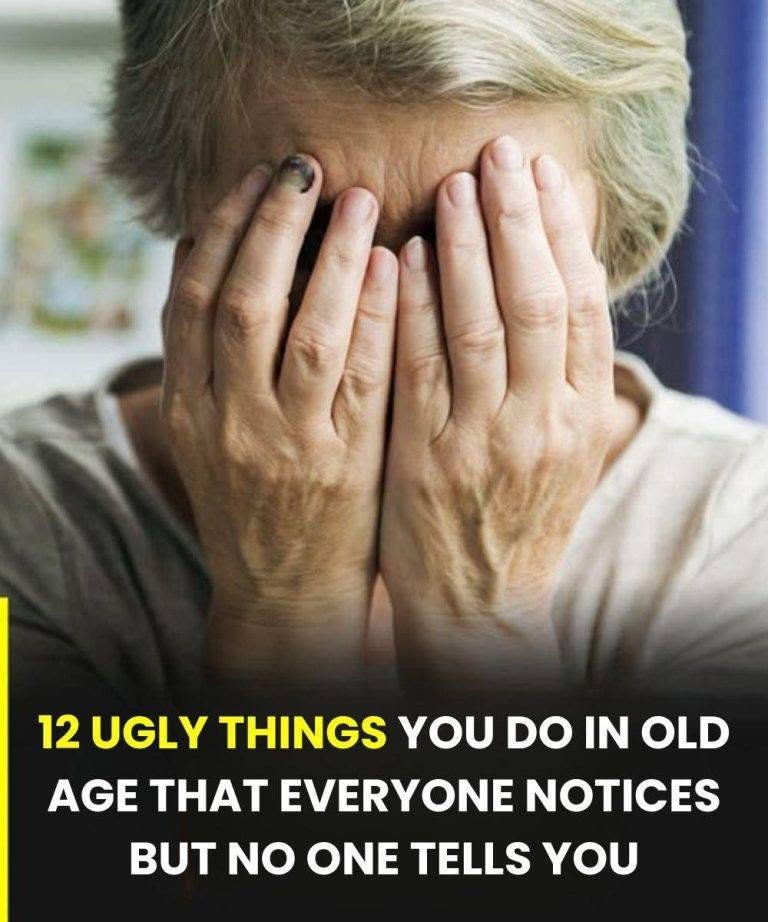
When sensational lifestyle and clickbait listicles publish headlines like “12 nasty things you do in old age that everyone notices, but no one dares to tell you,” they rely on cruel generational stereotyping and social anxiety—framing normal physiological aging as shameful or repulsive.
The underlying geriatric and physiological reality is far more compassionate: aging involves natural changes in sensory perception, metabolism, and physical mobility that can subtly alter everyday habits—not a deliberate lapse in hygiene or manners. While certain age-related shifts (such as a decline in the sense of smell or changes in skin chemistry) require mindful adjustment, framing these realities as “nasty” or taboo only isolates older adults.
An evidence-based look at these common age-related shifts helps separate empathetic understanding from petty internet shaming.
1. Olfactory Fatigue and Sensory Shifts (The “Body Odor” Myth)
-
The Claim: Articles often mock older adults for wearing too much perfume or cologne, or for being unaware of their home’s scent.
-
The Reality: As people age, olfactory receptors naturally decline, meaning older adults genuinely cannot smell scents as strongly as they used to. Furthermore, skin produces different compounds over time (including 2-nonenal, an odorless chemical that oxidizes into a distinct, slightly grassy or musty scent). It is a normal physiological process, not a lack of cleanliness, easily managed with well-ventilated living spaces and regular laundering.
2. Changes in Oral Health and Dry Mouth
-
The Claim: Listicles often complain about bad breath or audible chewing habits.
-
The Reality: Many medications commonly prescribed in later life—for blood pressure, heart health, or mood—cause severe xerostomia (dry mouth). Without adequate saliva to wash away bacteria and food particles, breath naturally changes. Staying hydrated, using saliva substitutes, and regular dental visits resolve this medically, not through social scolding.
3. Altered Temperature Regulation
-
The Claim: Mocking older adults for keeping their homes stiflingly warm or wearing heavy sweaters in mild weather.
-
The Reality: As the circulatory system and metabolic rate slow down, the body’s ability to regulate core temperature diminishes. Older adults feel genuinely cold in environments that feel comfortable to younger, faster-metabolizing individuals.
4. Hearing Loss and Speaking Volume
-
The Claim: Framing talking loudly, repeating stories, or asking people to speak up as annoying or inconsiderate.
-
The Reality: Presbycusis (age-related high-frequency hearing loss) is a universal part of aging for many. When people cannot hear their own vocal modulation, they naturally speak louder to compensate. Patience and supportive listening—or hearing aids—bridge this gap seamlessly.
5. Slower Movement and Spatial Navigation
-
The Claim: Accusing older adults of being “in the way” or moving too slowly in public spaces.
-
The Reality: Changes in proprioception (the body’s awareness of its position in space), joint stiffness from osteoarthritis, and shifting balance systems mean walking requires deliberate, conscious physical effort. What looks like hesitation is actually careful navigation to prevent dangerous falls.
The Takeaway
Ignore the mean-spirited clickbait designed to stigmatize the natural, universal process of growing older. Physical changes in scent, hearing, temperature regulation, and mobility are biological realities of aging—not personal failings. Approaching these shifts with empathy, practical accommodations, and medical care ensures dignity and comfort for everyone.
