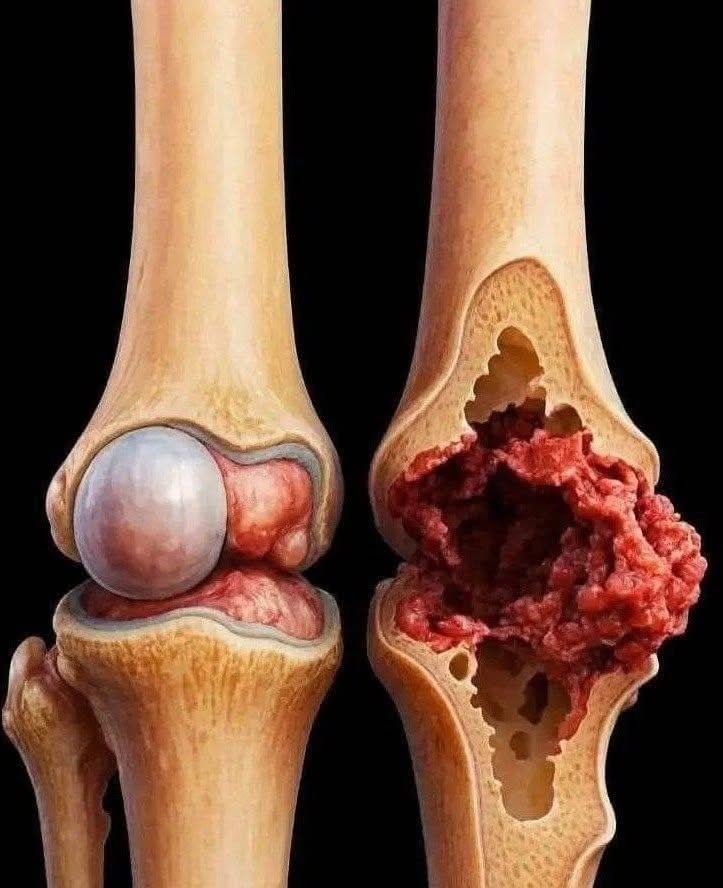
When sensational health and lifestyle headlines warn with breathless urgency: “ATTENTION: These Are the Consequences of Sleeping With…” they are banking on classic curiosity-gap anxiety to trick you into clicking. Whether the blank is filled with your smartphone, your pets, wet hair, or contact lenses, the article invariably frames a normal, everyday habit as a ticking time bomb for disease or disaster.
The underlying sleep science and physiological reality is far more balanced: while certain bedtime habits can subtly interfere with sleep architecture or hygiene, context, moderation, and individual routine matter infinitely more than absolute prohibitions.
An evidence-based look at the most common subjects of these dramatic sleep warnings helps separate fear-mongering clickbait from sound nighttime hygiene.
1. Sleeping with Your Smartphone
-
The Alarmist Myth: Articles claim that keeping your phone on your nightstand will fry your brain with radiation or permanently destroy your circadian rhythm.
-
The Reality: There is zero credible scientific evidence that non-ionizing radiofrequency radiation from a phone on a nightstand causes physiological harm. However, blue light exposure and the psychological stimulation of late-night doom-scrolling do suppress melatonin production and delay sleep onset. The real consequence isn’t radiation—it’s sleep deprivation from staying awake until 2 AM looking at screens.
2. Sleeping with Pets in the Bed
-
The Alarmist Myth: Pet-sharing is often branded as a severe biological hazard that will expose you to exotic parasites and ruin your health.
-
The Reality: For most healthy adults, sleeping with a dog or cat is completely fine and provides psychological comfort, stress reduction, and a sense of security. The only genuine downsides are minor: pet dander can trigger allergies for sensitive individuals, and animals moving around during the night can cause micro-awakenings that fragment your sleep cycle without you fully realizing it.
3. Sleeping with Makeup On
-
The Alarmist Myth: Falling asleep in makeup once is routinely dramatized as causing immediate skin collapse or permanent aging.
-
The Reality: While making a habit of sleeping in makeup traps dirt, sebum, and environmental pollutants, clogging pores and leading to breakouts or irritation, doing it occasionally won’t ruin your skin. Your skin undergoes its primary cellular repair overnight, so a clean canvas is ideal, but a single exhausted night won’t cause a dermatological catastrophe.
4. Sleeping with Wet Hair
-
The Alarmist Myth: Mothers and grandmothers have long warned that sleeping with wet hair causes pneumonia or severe colds.
-
The Reality: You cannot catch a viral respiratory infection (like a cold or flu) from wet hair—illnesses are caused by viruses, not damp follicles. The actual minor risk is purely physical: damp hair wrapped tightly in bedding creates a warm, moist microclimate that encourages the growth of Malassezia (a fungus associated with dandruff) and makes hair fibers more prone to breakage while you toss and turn.
The Takeaway
Ignore the breathless, capitalized warnings designed to make you anxious about your bedtime routine. While optimizing your sleep environment—keeping screens out of reach, washing your face, and letting your hair dry—supports better rest, the occasional deviation isn’t a medical emergency. Prioritize consistent sleep duration and a calming wind-down routine over rigid perfectionism.
