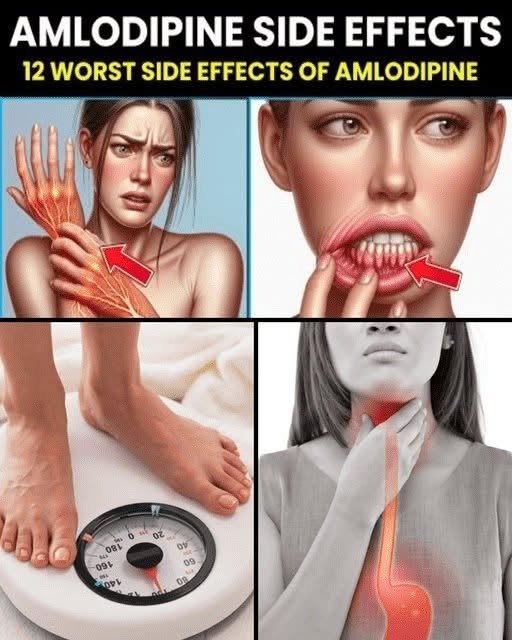
When sensationalized health articles warn about the “12 worst side effects” of a common prescription medication like amlodipine—often framing them with alarming urgency—they are capitalizing on fear to grab your attention.
The underlying medical reality is more straightforward: amlodipine (commonly known by brand names like Norvasc) is a widely prescribed, highly effective calcium channel blocker used to manage high blood pressure and coronary artery disease. Like all potent cardiovascular medications, it alters how your blood vessels function, which can lead to predictable side effects. While most are mild and manageable, a few do require prompt medical attention.
An evidence-based look at how amlodipine works, the common side effects to expect, and the actual warning signs you should never ignore provides much-needed clarity.
Why Does Amlodipine Cause These Effects? (The Mechanism)
Amlodipine works by relaxing the smooth muscle cells in the walls of your arteries, causing them to widen (vasodilate). This lowers your blood pressure by making it easier for your heart to pump. However, that sudden vascular relaxation is precisely why certain side effects occur—fluid shifts out of widened capillaries into surrounding tissues, and blood pressure drops can trigger compensatory reactions.
The 12 Most Commonly Reported Side Effects & What They Mean
1. Peripheral Edema (Swelling in the Ankles and Feet)
-
What happens: Because blood vessels widen, fluid can seep out into the surrounding tissues, typically pooling in the lowest parts of the body due to gravity.
-
The Reality: This is the most common side effect of amlodipine. It is generally painless and harmless, though frustrating. Elevating your legs can help.
2. Dizziness or Lightheadedness
-
What happens: As your blood pressure drops to healthier levels, your body takes a moment to adjust—especially when standing up quickly (orthostatic hypotension).
-
The Reality: Usually mild and transient, particularly when starting the medication or after a dose increase.
3. Flushing and Warmth in the Face or Neck
-
What happens: The sudden dilation of superficial blood vessels near the skin’s surface causes a rush of warm blood.
-
The Reality: Harmless and temporary, often resembling a mild sunburn sensation.
4. Fatigue and General Weakness
-
What happens: Lowering systemic blood pressure can sometimes leave your body feeling slightly sluggish as cardiovascular dynamics shift.
-
The Reality: Common during the first few weeks of therapy as your body adjusts to the new normal.
5. Heart Palpitations or Rapid Heartbeat
-
What happens: When blood vessels dilate and blood pressure drops slightly, your heart may temporarily beat a bit faster or harder to maintain steady circulation.
-
The Reality: Usually harmless, but worth mentioning to your doctor if it feels persistent or uncomfortable.
6. Nausea or Mild Abdominal Discomfort
-
What happens: Changes in systemic blood flow and mild gastrointestinal adjustment can occasionally trigger mild queasiness.
-
The Reality: Taking amlodipine with food or a meal can often mitigate this.
7. Muscle Cramps or Aches
-
What happens: Shifts in fluid and electrolyte balance across muscle tissues can occasionally provoke mild cramping.
-
The Reality: Generally manageable with adequate hydration and balanced electrolyte intake.
8. Drowsiness or Sleepiness
-
What happens: As the body adjusts to altered vascular pressure, some patients report feeling heavier or sleepier during the day.
-
The Reality: Often subsides after the first few weeks of consistent dosing.
9. Headache
-
What happens: The rapid widening of blood vessels in the head and scalp can trigger mild tension or vascular headaches.
-
The Reality: Typically temporary and tends to fade as your body gets used to the medication.
10. Nasal Congestion or Stuffiness
-
What happens: Vasodilation affects the delicate mucosal blood vessels in the nasal passages, mimicking a mild cold.
-
The Reality: A minor annoyance that rarely requires stopping the medication.
11. Skin Rashes or Itching (Rare)
-
What happens: Mild allergic reactions or localized skin sensitivity to the inactive ingredients or chemical structure.
-
The Reality: If a rash is widespread or accompanied by hives, it requires a call to your prescribing physician.
12. Gum Overgrowth (Gingival Hyperplasia – Rare)
-
What happens: A rare long-term side effect associated with several calcium channel blockers where gum tissue swells or grows over the teeth.
-
The Reality: Easily managed with meticulous oral hygiene and regular dental checkups.
Critical Red Flags: When to Contact Your Doctor Immediately
While the everyday side effects above are generally harmless, amlodipine users should never ignore symptoms that point to a worsening cardiovascular issue or an adverse reaction:
-
Severe, Unrelenting Chest Pain (Angina): Paradoxically, in rare cases, lowering blood pressure too much can temporarily reduce blood flow to the heart muscle itself, triggering new or worsening chest pain.
-
Sudden, Worsening Shortness of Breath: If swelling in your legs spreads rapidly or is accompanied by sudden breathlessness or difficulty lying flat, it can signal developing heart failure.
-
Fainting (Syncope): If dizziness progresses to a complete loss of consciousness, your blood pressure may be dropping too low, requiring a dosage adjustment.
-
Signs of a Severe Allergic Reaction: Swelling of the face, lips, tongue, or throat, or severe difficulty breathing.
The Takeaway: Amlodipine is a powerful, life-saving medication for millions of people managing hypertension. Never stop taking your blood pressure medication abruptly out of fear or due to mild side effects without first consulting your doctor, as uncontrolled blood pressure carries far higher risks.
