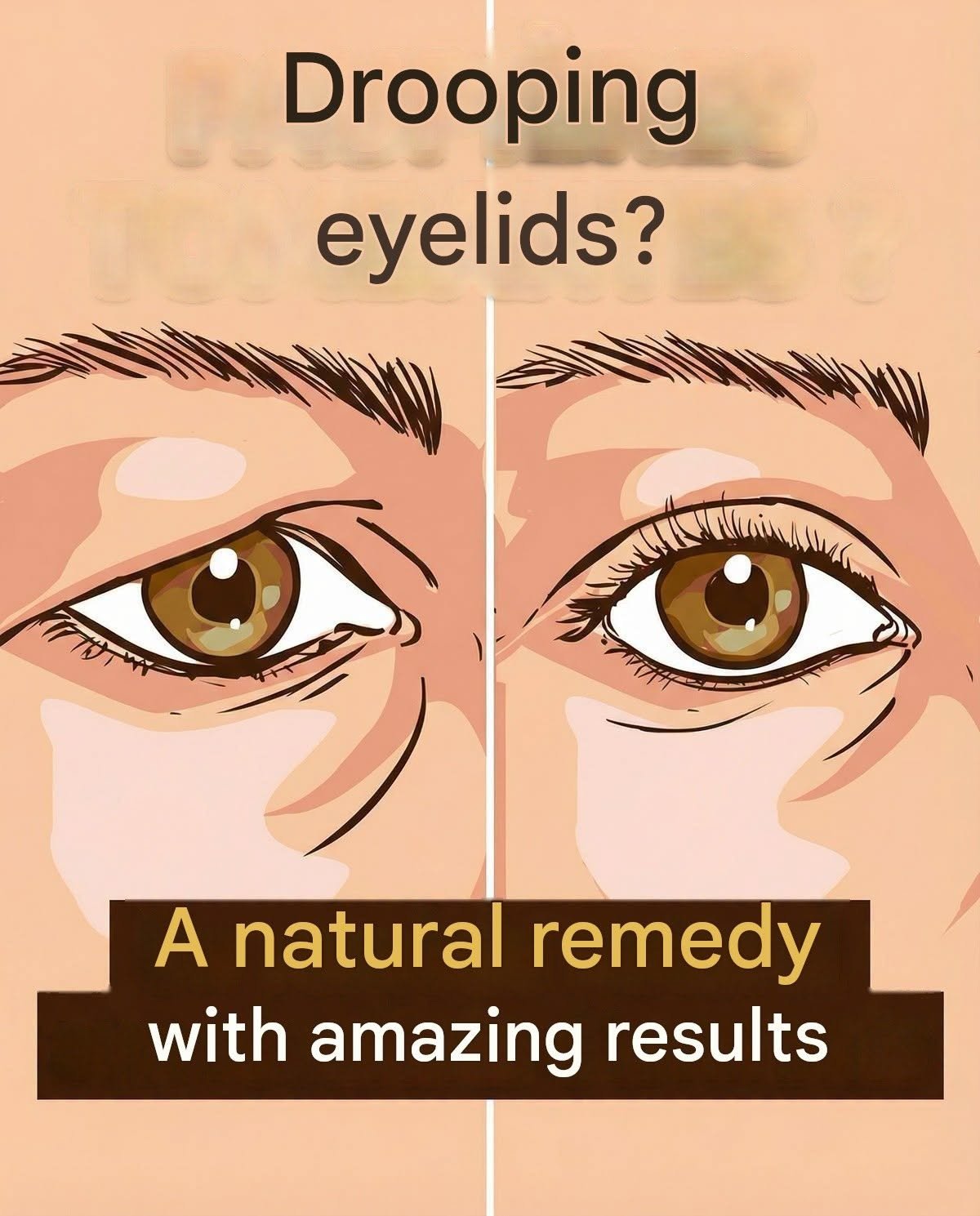
Headlines promising “natural ways to improve” droopy eyelids often package normal age-related changes into an anxious beauty dilemma, framing a common anatomical shift as something you can fix overnight with eye exercises, facial yoga, or topical serums.
While mild skin laxity around the eyes is a normal part of aging, sudden or severe drooping can signal underlying medical issues. Understanding the actual anatomy of the eyelid helps separate cosmetic wellness myths from clinical reality.
Why “Droopy Eyelid” Clickbait Misleads
Sensationalized wellness and beauty posts thrive on unrealistic transformations:
-
The “Exercise Away Gravity” Myth: Articles often claim that specific eye-stretching exercises or facial yoga can tighten the delicate skin and tone the levator muscles enough to lift sagging eyelids. In reality, mechanical skin laxity and structural tendon stretching cannot be reversed with facial workouts.
-
Ignoring Medical Red Flags: Treating ptosis purely as a superficial cosmetic annoyance can cause readers to overlook sudden neurological or muscular warning signs that require urgent medical evaluation.
The Real Causes of Droopy Eyelids
A drooping eyelid is medically known as ptosis (when the eyelid margin drops over the pupil) or dermatochalasis (excess upper eyelid skin and fat pushing downward). The root causes are structural and physiological:
-
Age-Related Levator Tendon Stretching: Over decades, the tendon that attaches the muscle responsible for lifting the eyelid (the levator palpebrae superioris) can stretch or detach from the tarsal plate, causing the eyelid to droop.
-
Skin Laxity (Dermatochalasis): Loss of collagen and elastin in the skin surrounding the eyes causes excess skin to fold over the eyelid margin, sometimes even obstructing peripheral vision.
-
Neurological or Muscular Conditions: In some cases, ptosis is caused by nerve damage, myasthenia gravis (an autoimmune neuromuscular disorder), or other cranial nerve issues.
-
Trauma or Previous Surgery: Injury to the eye area or complications from prior ocular or cosmetic procedures can impact eyelid elevation.
Evidence-Based Ways to Manage Eyelid Changes
If droopy eyelids are obstructing your vision or bothering you aesthetically, skip the unverified facial yoga and focus on clinical realities:
-
Professional Oculoplastic Evaluation: Consult an ophthalmologist, optometrist, or oculoplastic surgeon. They can determine whether your drooping is due to excess skin (dermatochalasis) or actual muscle weakness (ptosis).
-
Surgical Options: When drooping significantly impairs vision or causes functional discomfort, minor outpatient procedures—such as blepharoplasty (removing excess skin and fat) or levator repair surgery—are the gold standard for restoring normal eyelid position and visual field.
-
Non-Surgical Medical Therapies: In specific cases of acquired ptosis caused by nerve signaling issues, prescription eye drops (such as oxymetazoline) can temporarily stimulate the Muller’s muscle to lift the eyelid slightly.
When to See a Doctor Immediately
While age-related drooping develops slowly over years, consult a physician promptly if:
-
Eyelid drooping occurs suddenly (over the course of hours or days).
-
It is accompanied by double vision, weakness in your limbs, facial numbness, or a severe headache (which can indicate a stroke or neurological emergency).
-
You experience sudden pupillary changes or eye pain.
The Bottom Line
Ignore the viral clickbait claiming facial exercises can lift sagging eyelids. While mild cosmetic changes are a normal part of aging, significant eyelid drooping is a structural or medical issue best addressed through professional ophthalmologic evaluation and evidence-based clinical care—not internet wellness hacks.
