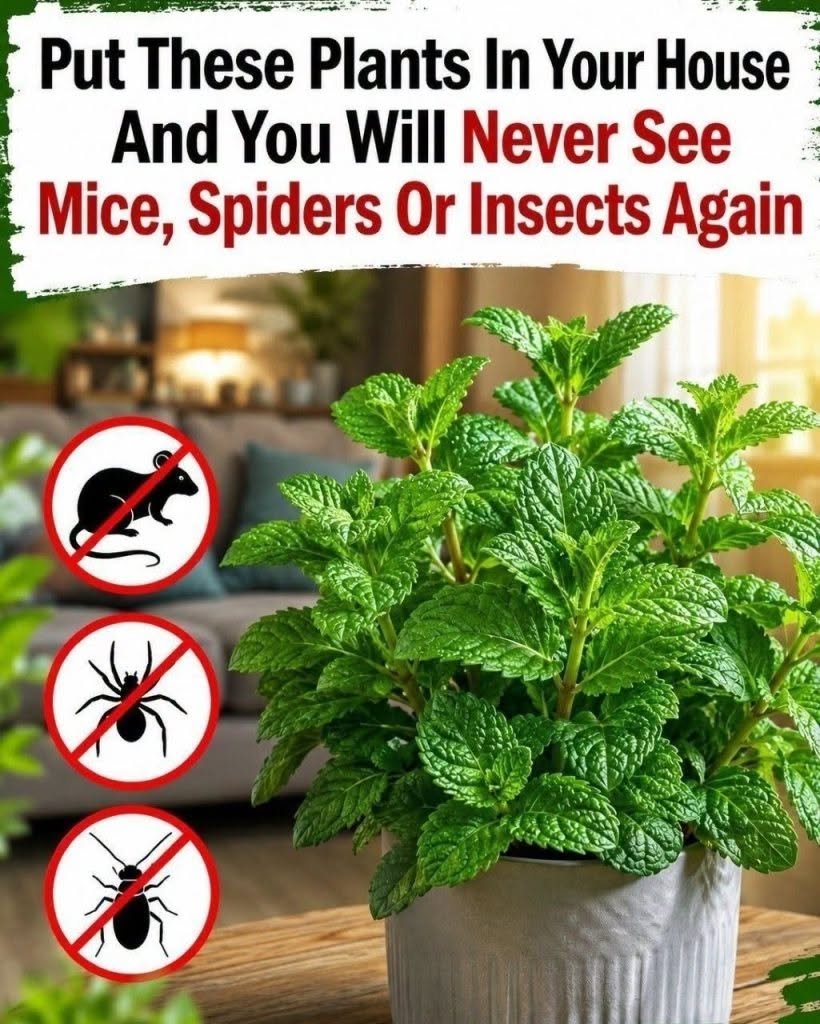
When home and garden clickbait flashes headlines like “8 Plants that Help Repel Mice, Spiders & Other Insects,” they love to package botanical folklore as an invincible, green pest-control force field. They want you to believe that simply potting a few mint plants or scattering dried herbs on your windowsill will permanently banish every mouse, spider, and crawling bug from your home.
From an entomology, rodent behavior, and urban pest management perspective, while certain aromatic plants possess volatile oils that can act as mild, localized deterrents, plants alone cannot secure a home against pests. Understanding how pests interact with their environment cuts through the garden myths and reveals what actually works.
The Reality Behind “Pest-Repelling” Plants
Why do popular lists claim certain plants repel pests, and where do those claims fall short?
-
Volatile Essential Oils vs. Living Plants: Many aromatic plants contain natural defense compounds (like menthol, linalool, or citronellal) that taste or smell unpleasant to pests. However, a living plant in a pot releases these compounds primarily into the open air or underground, where their concentration is far too low to create a meaningful barrier across a room.
-
The Foraging Drive: Pests are driven by fundamental survival needs: food, water, and shelter. If a mouse smells peppermint or lavender near a cozy, food-rich pantry, hunger and survival instincts will easily override any mild sensory aversion.
-
The Enclosure Limit: Insects like spiders and crawling bugs navigate homes via structural cracks, dark corners, and moisture zones. Potted plants do not block entry points or eliminate the structural conditions that attract pests.
The 8 Popular Plants (and Their Realistic Capabilities)
When articles tout these specific botanicals as pest deterrents, here is how they actually perform in real-world conditions:
-
1. Peppermint: Contains high levels of menthol, which can temporarily overwhelm insect olfactory sensors and deter mice from confined spaces, but its potency evaporates quickly in open spaces.
-
2. Lavender: Prized for its calming aroma for humans; while some flying insects dislike heavy scents, mice and spiders readily navigate around lavender bushes outdoors.
-
3. Rosemary: A woody herb with pungent volatile oils; acts as a mild garden deterrent for certain leaf-eating insects, but offers no structural pest-proofing for a home.
-
4. Chrysanthemums: Contain pyrethrins (natural insecticidal compounds used in commercial bug sprays). The reality: While crushed chrysanthemum extracts can paralyze insects, a living potted mum does not release enough pyrethrin into the air to deter bugs.
-
5. Basil: Often recommended to repel flies and mosquitoes; while the aroma is pleasant, flies will happily bypass a basil plant if organic waste or food is nearby.
-
6. Lemongrass / Citronella Grass: Contains citronella oil, which is famous for masking human scents to deter mosquitoes, but requires crushing or extracting the oils to achieve any noticeable repellent effect.
-
7. Eucalyptus: Features a strong, medicinal aroma that can temporarily overwhelm sensitive insect chemoreceptors, though outdoor pests easily nest near eucalyptus trees in the wild.
-
8. Garlic and Alliums: Contain potent sulfur compounds; while useful in companion planting to confuse garden pests, they do not create a chemical barrier that stops mice or spiders from entering a house.
Evidence-Based, Structural Pest Prevention
If you want to keep mice, spiders, and insects away from your home sustainably, rely on exclusion and habitat management rather than potted plants:
-
1. Seal Entry Points (Exclusion): Mice can squeeze through gaps as small as a dime, and insects enter through microscopic cracks. Use silicone caulk, copper mesh, and heavy-duty weatherstripping around doors, windows, and utility penetrations.
-
2. Eliminate Moisture and Clutter: Spiders and crawling insects thrive in damp, undisturbed areas (like dark basements and crawlspaces). Use dehumidifiers, clear away cardboard box clutter, and keep firewood stacked away from the foundation.
-
3. Cut Off Food Access: Store pantry staples in airtight glass or thick plastic containers, wipe down crumbs immediately, and keep pet food sealed in metal or heavy plastic bins.
