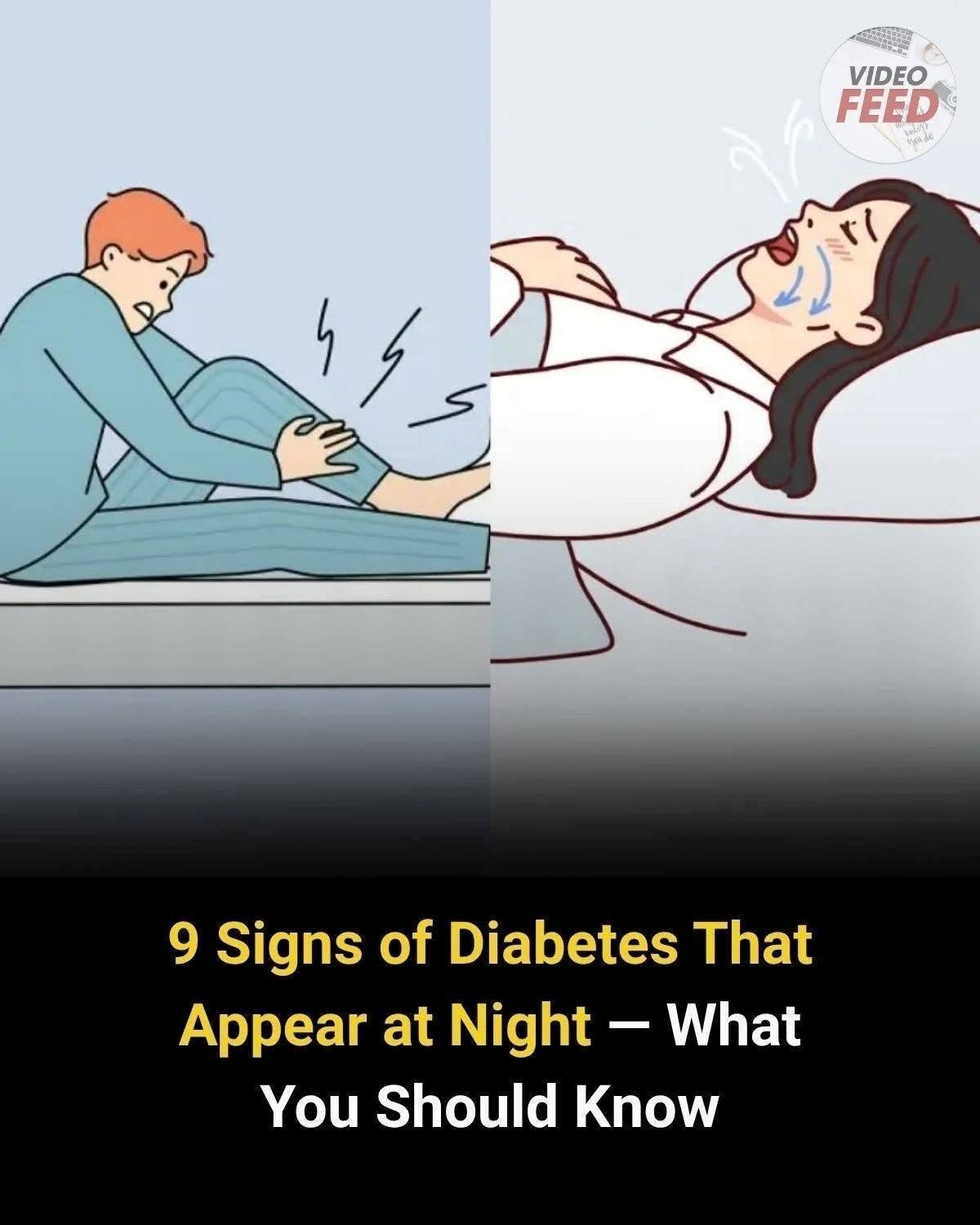
Diabetes—both Type 1 and Type 2—often develops gradually, and its early signals can be particularly noticeable at night when your body is at rest. During sleep, elevated blood sugar levels alter kidney filtration, circulation, and nervous system signaling, triggering distinct nocturnal symptoms.
Recognizing these key nighttime indicators can help you seek a timely blood glucose evaluation:
1. Frequent Nighttime Urination (Nocturia)
-
What Happens: Waking up multiple times throughout the night to use the bathroom.
-
Why It Occurs: When blood sugar is abnormally high, your kidneys work overtime to filter and excrete excess glucose. Once blood glucose exceeds the renal threshold, glucose spills into your urine, pulling large amounts of water along with it through osmotic diuresis.
2. Intense Overnight Thirst (Polydipsia)
-
What Happens: Waking up in the middle of the night or in the morning with a dry mouth and an unquenchable urge to drink water.
-
Why It Occurs: Frequent nighttime urination drains your body’s fluid reserves, leading to cellular dehydration that triggers your brain’s thirst centers while you sleep.
3. Burning, Tingling, or Pain in the Feet (Diabetic Neuropathy)
-
What Happens: Experiencing a burning, pin-prickling, or “pins and needles” sensation in your toes, feet, or lower legs that becomes more noticeable or intense when lying down.
-
Why It Occurs: Chronic high blood sugar damages the small blood vessels (vasa nervorum) that supply oxygen and nutrients to peripheral nerves. Without daytime movement and sensory distractions, nerve pain often intensifies at night.
4. Severe Night Sweats
-
What Happens: Waking up drenching in sweat, with damp sheets or clothing, often accompanied by a racing heart or slight disorientation.
-
Why It Occurs: Night sweats are a classic sign of nocturnal hypoglycemia (abnormally low blood sugar during sleep), which can occur in people taking diabetes medications or insulin. Low blood sugar triggers a surge of stress hormones (epinephrine/adrenaline) to raise glucose, inducing sudden sweating and anxiety.
5. Restless Legs Syndrome (RLS) or Nighttime Leg Cramps
-
What Happens: An irresistible urge to move your legs, an uncomfortable “crawling” feeling under the skin when trying to sleep, or sudden, sharp muscle spasms in the calves or arches of the feet.
-
Why It Occurs: High glucose levels, electrolyte imbalances caused by frequent urination, and early peripheral nerve irritation contribute to involuntary muscle spasms and restless legs.
6. Loud Snoring or Gasping for Air (Sleep Apnea)
-
What Happens: Waking up gasping for air, choking, or having a partner report loud, persistent snoring punctuated by breathing pauses.
-
Why It Occurs: Obstructive Sleep Apnea (OSA) and Type 2 diabetes are closely linked through shared metabolic pathways, visceral obesity, and insulin resistance. Poor sleep quality from OSA can further elevate daytime blood sugar levels, creating a cycle of metabolic stress.
7. Persistent Nighttime Hunger (Polyphagia)
-
What Happens: Waking up with intense stomach pangs or feeling compelled to eat late at night despite having had dinner.
-
Why It Occurs: In insulin resistance or insulin deficiency, glucose remains trapped in the bloodstream rather than entering your cells to provide energy. Because your cells are starved of fuel, your brain signals hunger regardless of how much sugar is in your blood.
8. Insomnia and Frequent Nighttime Awakenings
-
What Happens: Difficulty falling asleep, staying asleep, or waking up frequently throughout the night without an obvious external reason.
-
Why It Occurs: Rapidly fluctuating blood sugar levels—whether spiking too high or dropping too low—disrupt natural sleep cycles and sleep architecture by triggering cortisol and adrenaline release.
9. Extreme Morning Exhaustion (Waking Up Tired)
-
What Happens: Feeling thoroughly exhausted and unrefreshed upon waking, even after spending 7 to 8 hours in bed.
-
Why It Occurs: Disruptions from nocturia, nerve pain, breathing pauses, and poor cellular energy utilization prevent your body from reaching deep, restorative restorative sleep stages.
What to Do Next
Experiencing one of these symptoms occasionally is common and may be linked to simple factors like evening fluid intake or temporary stress. However, if you notice a persistent pattern of two or more of these nighttime signs, schedule a visit with your physician.
A standard blood test—such as a Fasting Blood Glucose Test or an HbA1c test—can quickly check your average blood sugar levels and determine if diabetes or prediabetes is the underlying cause.
