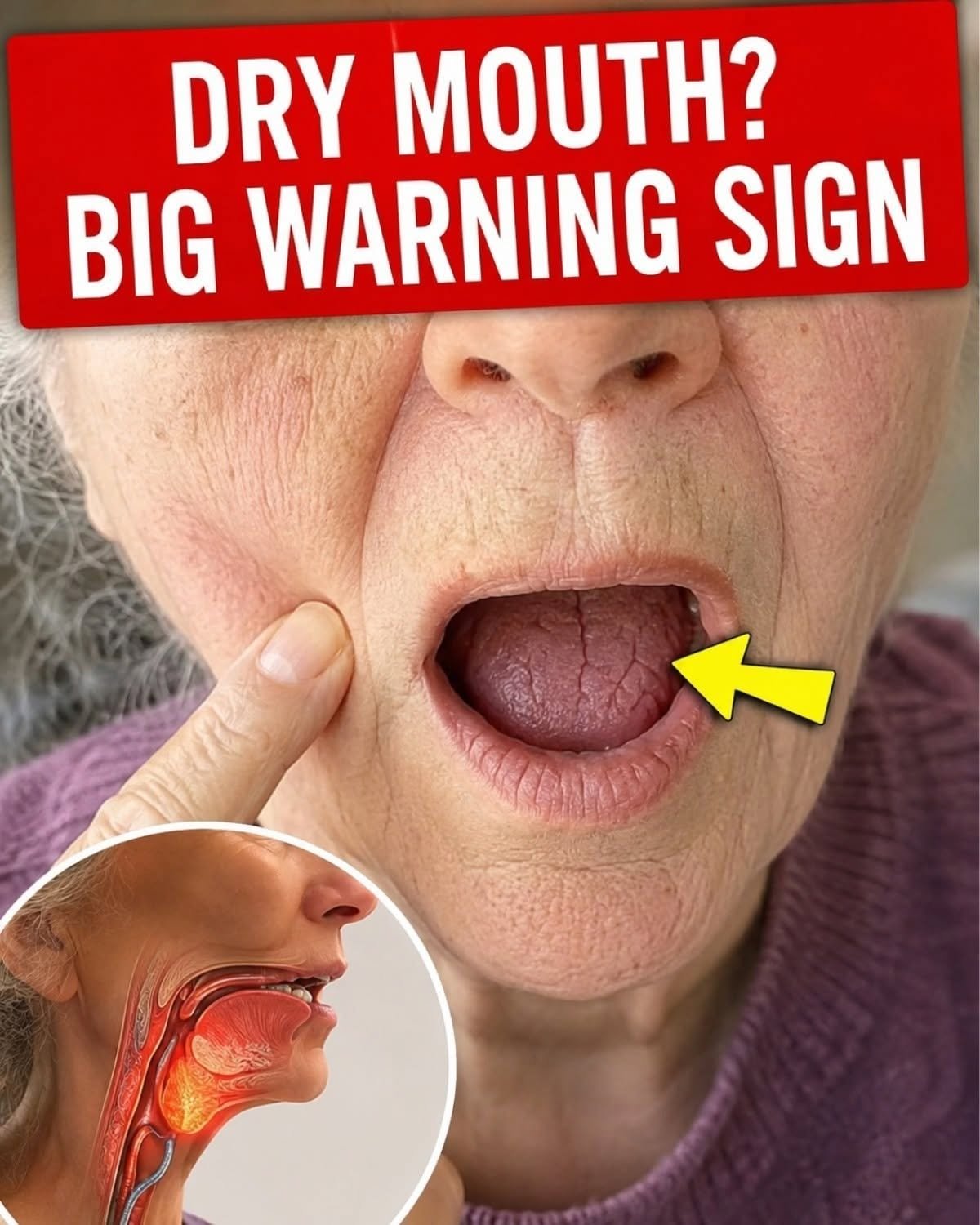
When health and wellness articles declare that dry mouth is not aging—it’s your saliva shutting down, they are spotlighting a very common condition known clinically as xerostomia. While people often dismiss chronic dry mouth as an inevitable inconvenience of getting older, saliva production does not naturally “shut down” due to age alone.
Let’s cut through the dramatic framing and examine the clinical reality of what causes dry mouth, why it matters for your overall health, and how to manage it safely.
Understanding Xerostomia: Fact vs. Fiction
-
The Aging Myth: While older adults experience dry mouth far more frequently, normal aging does not significantly diminish salivary gland function on its own.
-
The Real Culprit—Medications: The overwhelming majority of chronic dry mouth in older adults is iatrogenic—meaning it is a side effect of commonly prescribed medications. Over 400 medications reduce salivary flow, including blood pressure drugs (diuretics and beta-blockers), antihistamines, antidepressants, and anti-anxiety medications.
-
Other Contributing Factors: Autoimmune conditions (such as Sjögren’s syndrome), diabetes, radiation therapy to the head and neck, and chronic mouth-breathing due to nasal congestion can all cause the salivary glands to underperform.
Why Saliva Matters (Beyond Just Keeping Your Mouth Wet)
Saliva is far more than water; it is a vital biological fluid that protects your entire oral ecosystem:
-
Natural Defense Against Decay: Saliva contains minerals (calcium and phosphate) that continuously remineralize tooth enamel. Without it, the risk of rapid, aggressive tooth decay (especially root caries) skyrockets.
-
Pathogen Control: Saliva contains natural antibacterial, antiviral, and antifungal enzymes that keep harmful oral bacteria in check.
-
Digestive and Sensory Function: Saliva lubricates food so you can chew and swallow safely, and it dissolves food particles so your taste buds can function properly.
Evidence-Based Strategies to Manage Dry Mouth
If you are struggling with a dry mouth, several practical, clinical approaches can help stimulate moisture and protect your oral health:
-
Review Your Medications: Talk to your primary care physician or pharmacist. If a medication is causing your dry mouth, they may be able to adjust the dosage, switch you to an alternative drug, or change the timing.
-
Stay Hydrated and Sip Water Frequently: Keep a water bottle with you throughout the day and take frequent small sips. Avoid sugary or acidic beverages, which can erode defenseless teeth.
-
Stimulate Saliva Flow Naturally: Chew sugar-free gum or suck on sugar-free hard candies (particularly those containing xylitol, which actively helps prevent cavities). The physical act of chewing stimulates the salivary glands.
-
Use Saliva Substitutes and Moisturizing Gels: Over-the-counter artificial saliva sprays, rinses, or lubricating gels can provide temporary relief, especially overnight.
-
Use a Humidifier: Running a cool-mist humidifier in your bedroom at night can prevent your mouth and throat from drying out further while you sleep.
-
Rigorous Oral Hygiene: Because a dry mouth drastically increases cavity risk, brush twice a day with a high-fluoride toothpaste, floss daily, and visit your dentist regularly for preventive checkups.
