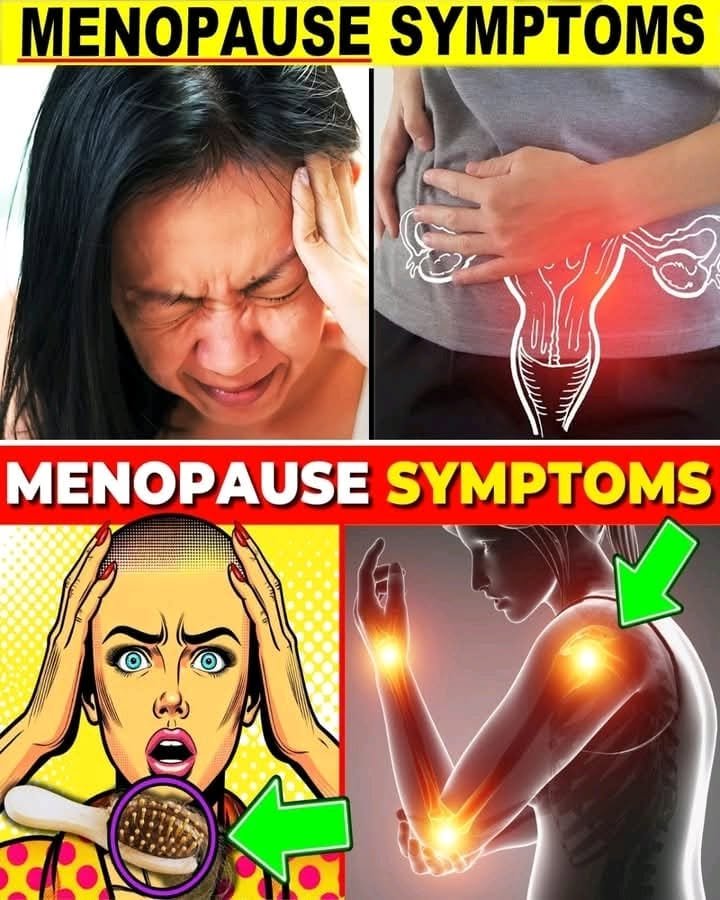
Sensational wellness headlines love dramatic listicles like “9 Signs You’re Actually Going Through Menopause!”—often framing the transition as a sudden, mysterious trap that catches women completely off guard.
Gynecologists, endocrinologists, and women’s health specialists look past the alarmist framing to clarify a very important clinical distinction: menopause is not a sudden event; it is a gradual biological transition.
Technically speaking, menopause is defined as a single point in time: 12 consecutive months without a menstrual period. Everything leading up to that milestone is perimenopause, a years-long transition where estrogen and progesterone levels fluctuate and decline.
Understanding the Shift: Perimenopause vs. Menopause
As the ovaries gradually slow down their production of reproductive hormones, the body’s internal thermostat, sleep regulation, and metabolic systems have to adjust. Because hormones influence tissues all over the body, the resulting shifts can manifest in some surprising ways.
Key Clinical Signs of the Menopausal Transition
While clickbait lists try to treat these symptoms as cryptic anomalies, clinical medicine maps them directly to fluctuating hormone levels:
1. Irregular Periods (The Hallmark Sign)
-
The Reality: Before periods stop completely, they often change drastically. Cycles might become shorter or longer, flow can become much heavier or surprisingly light, and months might be skipped entirely.
2. Hot Flashes and Night Sweats vasomotor symptoms
-
The Reality: Triggered by fluctuating estrogen levels affecting the hypothalamus (the brain’s temperature control center), these sudden waves of intense body heat can cause flushing, sweating, and chills, frequently disrupting sleep at night.
3. Sleep Disruptions and Insomnia
-
The Reality: Aside from night sweats waking you up, hormonal drops directly impact sleep architecture, making it harder to fall asleep or stay asleep through the night.
4. Mood Shifts, Irritability, and Brain Fog
-
The Reality: Fluctuating estrogen interacts with neurotransmitters in the brain that regulate mood and cognitive focus. It is entirely normal to experience unexpected irritability, anxiety, or temporary memory lapses during this transition.
Navigating the Transition
The most important takeaway is that you don’t just have to “suffer through” the transition. Modern medicine offers a wide range of evidence-based options to manage symptoms and protect long-term bone and heart health:
-
Lifestyle Adjustments: Regular exercise, targeted cooling strategies, managing stress, and optimizing sleep hygiene can significantly blunt symptom severity.
-
Medical Options: Hormone therapy (HT) and non-hormonal prescription medications are available and highly effective for managing disruptive hot flashes and mood changes when discussed with a healthcare provider.
The Medical Takeaway: Entering perimenopause is a normal, natural phase of life, not a medical emergency. If shifting cycles or symptoms are impacting your daily quality of life, a chat with your gynecologist can help map out a personalized comfort and wellness plan.
Are you looking into ways to manage specific transition symptoms, or exploring general health strategies for midlife wellness?
