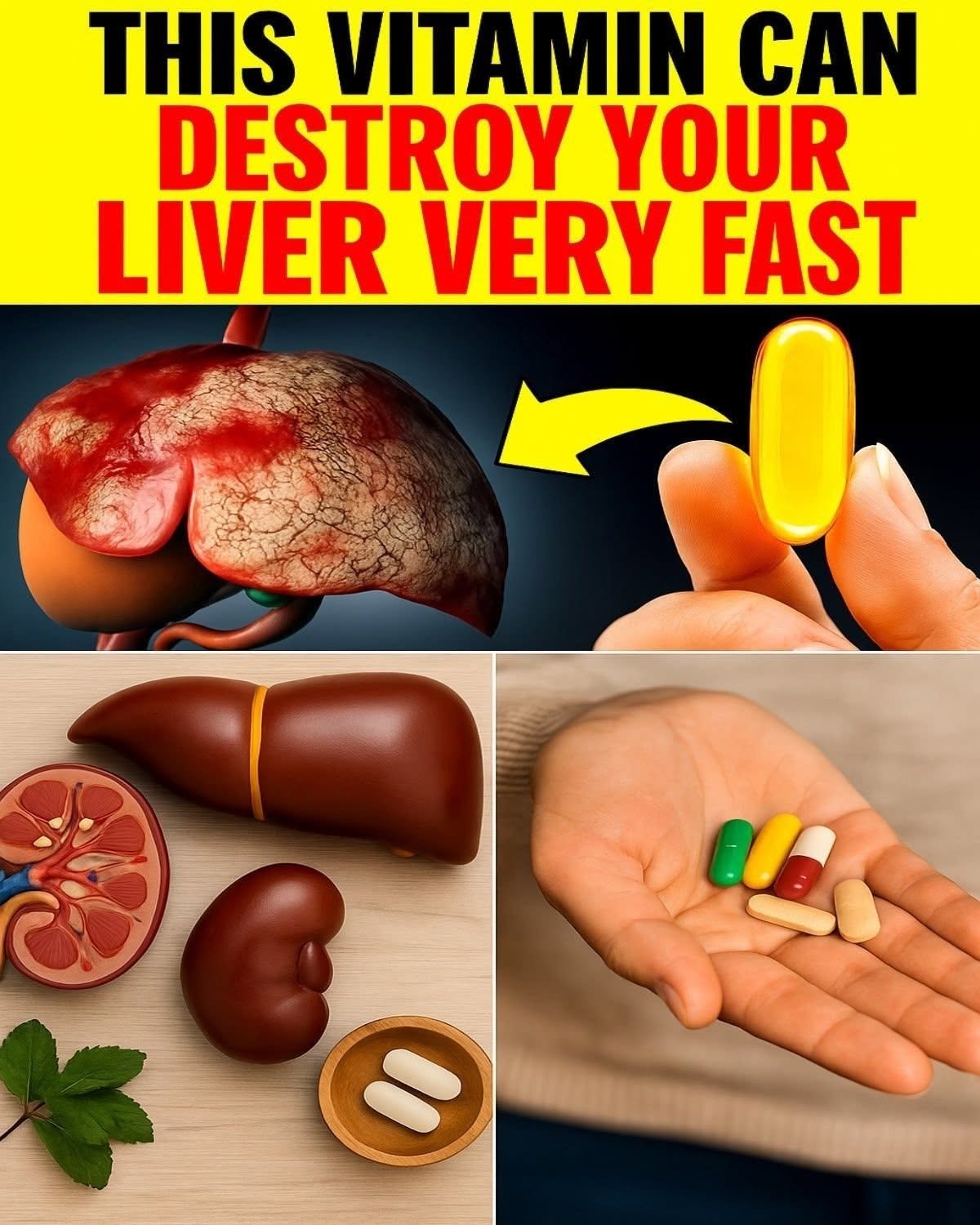
While vitamins and herbal supplements are widely available over the counter, many people assume that “natural” means completely harmless. However, because the liver acts as the body’s primary chemical processing house and the kidneys filter and eliminate waste from the bloodstream, misusing, megadosing, or taking highly concentrated supplements can place severe metabolic stress on these vital organs.
Certain vitamins, minerals, and botanical extracts carry well-documented risks to the liver and kidneys when used incorrectly:
1. Vitamin A (Fat-Soluble)
-
The Risk: Liver Toxicity (Hypervitaminosis A)
-
Why It Happens: Because Vitamin A is fat-soluble rather than water-soluble, excess amounts cannot simply be flushed out in urine. Instead, the body stores the surplus in the liver. Chronic high-dose megadosing can overwhelm hepatic cells, leading to inflammation, liver fibrosis, and structural damage over time.
2. Vitamin D (Fat-Soluble)
-
The Risk: Kidney Stones and Renal Injury
-
Why It Happens: Vitamin D regulates calcium absorption in the gut. Taking excessively high doses over a prolonged period causes hypercalcemia (dangerously high blood calcium levels). As the kidneys struggle to filter and excrete the excess calcium, it can form painful kidney stones or lead to calcium deposits in renal tissues, impairing kidney function.
3. Niacin (Vitamin B3)
-
The Risk: Elevated Liver Enzymes and Hepatotoxicity
-
Why It Happens: While standard dietary niacin is safe, high-dose therapeutic or time-release niacin (often taken in megadoses to manage cholesterol) is processed heavily by the liver. High concentrations can trigger acute liver enzyme elevations, inflammation, and drug-induced liver injury.
4. Green Tea Extract (Concentrated EGCG)
-
The Risk: Acute Liver Injury (Hepatitis-like Damage)
-
Why It Happens: Drinking brewed green tea is safe and beneficial, but concentrated green tea extracts—frequently packed into weight-loss and energy supplements—deliver massive doses of catechins (like EGCG). In concentrated form, these compounds can induce severe oxidative stress within liver cells, occasionally leading to acute liver failure.
5. Turmeric / Curcumin Concentrated Extracts
-
The Risk: Hepatic Stress
-
Why It Happens: Culinary turmeric used in cooking is safe. However, concentrated curcumin extracts—often paired with black pepper (piperine) to maximize absorption—have been increasingly flagged by clinical databases (such as LiverTox) for causing unexpected drug-induced liver injury in susceptible individuals.
6. Ashwagandha
-
The Risk: Drug-Induced Liver Injury
-
Why It Happens: Widely used for stress and adaptogenic support, ashwagandha is an herbal supplement that clinical hepatology research has linked to cases of autoimmune-like hepatitis and cholestatic liver injury when taken in high or unmonitored doses.
7. Iron Supplements
-
The Risk: Severe Organ Toxicity and Liver Failure
-
Why It Happens: Iron does not clear easily from the body. Accidental overdoses or unprescribed high-dose iron supplementation can cause acute iron toxicity, generating reactive oxygen species that destroy cellular linings in the gastrointestinal tract, flood the bloodstream, and cause acute liver necrosis.
8. High-Dose Calcium Supplements
-
The Risk: Renal Strain and Calcification
-
Why It Happens: Taking large amounts of isolated calcium supplements—particularly without adequate vitamin D3 and K2 to direct calcium into bones—can lead to hypercalcemia, placing an intense filtration burden on the kidneys and increasing the risk of mineral buildup in soft tissues and kidneys.
9. Multi-Ingredient Performance & Weight-Loss Blends
-
The Risk: Unpredictable Hepatotoxicity and Renal Stress
-
Why It Happens: Complex botanical blends, fat burners, and bodybuilding pre-workouts often combine dozens of unregulated herbs, stimulants, and synthetic precursors. Because these products can interact unpredictably or contain undeclared contaminants, they are among the leading categories of supplements implicated in supplement-induced liver and kidney stress.
Safe Supplement Practice: Always consult a healthcare provider or check clinical databases like the NIH’s LiverTox before starting high-potency or herbal regimens, especially if you take other medications or have underlying organ conditions.
